
JLPT N5: Significados das palavras - Unsolved

Aprenda em português os significados de 665 palavras do JLPT N5 com questões de quatro alternativas.
-
sabão
-
estação
-
rádio
-
chegar
-
estar em apuros
-
tirar foto
-
grande
-
aquele
-
qual
-
tio / homem de meia-idade
-
jantar
-
aniversário
-
cor
-
verdade
-
bala
-
anteontem
-
amanhã
-
adiante / antes
-
falar
-
fechar
-
ficar nublado
-
norte
-
lagoa
-
música
-
casa
-
nariz
-
meio-dia / período diurno
-
um mês
-
manhã
-
dentro
入口
entrada
入口
entrada
Explanation
入口
entrada
入口
entrada / porta de entrada / acesso

( Base form )
( romanization )
( hiragana )
出す
tirar
出す
tirar
Explanation
出す
tirar
出す
tirar para fora / entregar / apresentar

Word Forms
The basic and commonly used forms of this verb.
Basic forms
| Form | Word form | Usage |
|---|---|---|
| Imperfective form (mizenkei) |
Alternative:
出そ
|
Connects to endings such as nai, reru, and seru. |
| Continuative form (renyokei) | Connects to endings such as masu, tai, and ta. | |
| Conclusive form (shushikei) | Ends a sentence and serves as the dictionary form. | |
| Attributive form (rentaikei) | Modifies a noun. | |
| Conditional form (kateikei) | Combines with ba to express a condition. | |
| Imperative form (meireikei) | Expresses a command or instruction. |
Common forms
この
este
この
este
Explanation
este
この
este/esta (antes do substantivo) / este/esta, próximo ao falante

パン
pão
パン
pão
Explanation
pão
パン
pão / alimento assado feito de farinha / massa de farinha assada

( romanization )
本
livro
本
livro
Explanation
本
livro
本
livro; roteiro / origem; fonte / raiz; base

( romanization )
( counter )
( hiragana )
ポケット
bolso
ポケット
bolso
Explanation
bolso
ポケット
bolso / compartimento em roupa para guardar pequenos objetos

( romanization )
やる
fazer
やる
fazer
Explanation
fazer
やる
fazer (coloquial) / dar (a animal ou subordinado) / mandar, enviar (alguém)

Word Forms
The basic and commonly used forms of this verb.
Basic forms
| Form | Word form | Usage |
|---|---|---|
| Imperfective form (mizenkei) |
Alternative:
やろ
|
Connects to endings such as nai, reru, and seru. |
| Continuative form (renyokei) |
Alternative:
やっ
|
Connects to endings such as masu, tai, and ta. |
| Conclusive form (shushikei) | Ends a sentence and serves as the dictionary form. | |
| Attributive form (rentaikei) | Modifies a noun. | |
| Conditional form (kateikei) | Combines with ba to express a condition. | |
| Imperative form (meireikei) | Expresses a command or instruction. |
Common forms
肉
carne
肉
carne
Explanation
肉
carne
肉
carne / carne do corpo / polpa
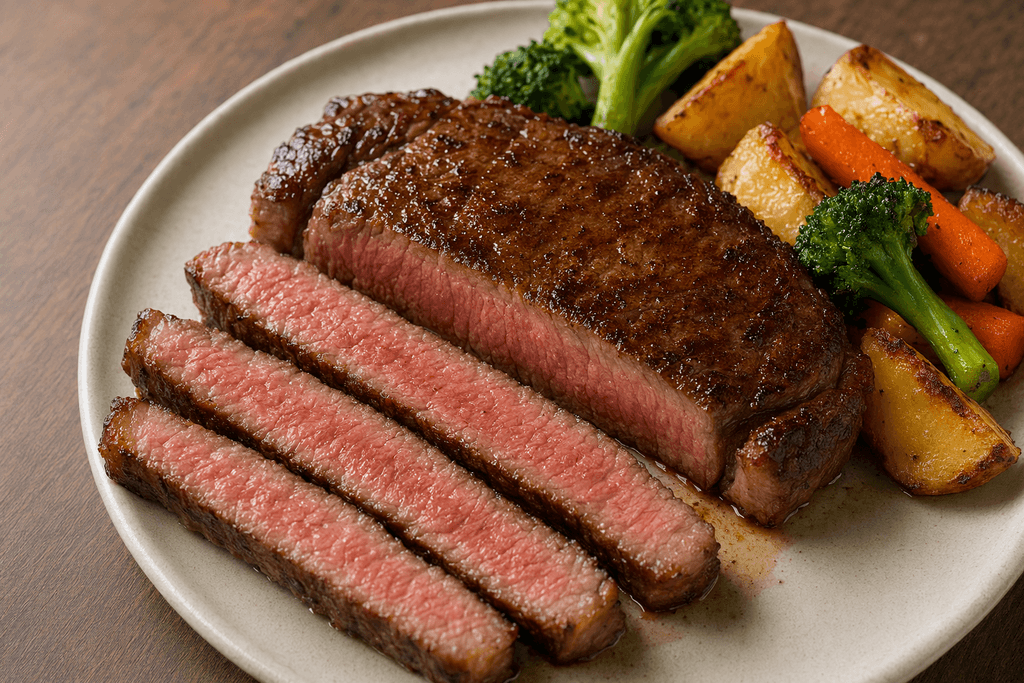
( romanization )
( hiragana )
そば
ao lado
そば
ao lado
Explanation
ao lado
そば
proximidade / lado / vicinidade

警官
policial
警官
policial
Explanation
警官
policial
警官
policial / oficial de polícia

( Base form )
( romanization )
( hiragana )
Loading...

JLPT N5 多言語単語帳・665語 / JLPT N5 Multilingual Vocabulary: 665 Words

Jonathan Waller 氏の JLPT Resources の語彙リスト・レベル分類を出典とし、CC BY の条件に従って DiQt が初級向けに意味を作り直した665語の単語帳です。JLPT公式の語彙リストではありません。
This collection of 665 words is based on the vocabulary list and level classifications in Jonathan Waller’s JLPT Resources under CC BY, with meanings rewritten by DiQt for beginners. It is not an official JLPT vocabulary list.
Key Operations
Select the first quiz:
Ctrl + Enter
View Explanation:Ctrl + G
Close a feedback:Esc
When selecting a quiz
Answer:Enter
Select a choice:↓ or ↑
Reading out the question:Ctrl + K
View Hint: Ctrl + M
I don't know: Ctrl + Y



