
JLPT N5: Significados das palavras - Unsolved

Aprenda em português os significados de 665 palavras do JLPT N5 com questões de quatro alternativas.
-
resistente / saudável
-
prático
-
desagradável
- 「下手」はナ形容詞(形容動詞)として活用する。
- 対象は一般に「〜が下手だ」で表す。
-
copiar
-
dormir / ir para a cama
-
levantar-se
-
hoje de manhã
-
entrada
-
significado
-
estação
-
professor
-
chuva
-
cedo
-
vermelho
-
alto / caro
-
mão
-
problema / questão
-
dicionário
-
vender
-
subir
-
estar em apuros
-
seis dias / dia seis
-
outras coisas
-
sábado
-
mulher
-
palavra / língua
-
cinzeiro
-
ano
-
cabeça
-
kanji
下手
sem habilidade
下手
sem habilidade
Explanation
下手
sem habilidade
下手
inábil / meia-boca / inferior

Word Forms
The basic and commonly used forms of this adjectival noun.
Basic forms
| Form | Word form | Usage |
|---|---|---|
| Imperfective form (mizenkei) |
Alternative:
下手でしょ
|
Used in forms such as darou. |
| Continuative form (renyokei) |
Alternative:
下手に
|
Used with de or ni. |
| Conclusive form (shushikei) |
Alternative:
下手です
|
Ends a sentence with da. |
| Attributive form (rentaikei) | Modifies a noun with na. | |
| Conditional form (kateikei) |
Alternative:
下手であれば
|
Expresses a condition with nara. |
| Imperative form (meireikei) | Used in formal expressions such as de are. |
Common forms
| Form | Word form | Usage |
|---|---|---|
| Te-form equivalent | Connects clauses using de. | |
| Ta-form |
Alternative:
下手でした
|
Expresses the past with datta. |
| Nai-form |
Alternative:
下手じゃない
|
Expresses negation with dewa nai or ja nai. |
| Desu-form | Used for polite speech. |
Notes
遊ぶ
brincar
遊ぶ
brincar
Explanation
遊ぶ
brincar
遊ぶ
brincar / jogar / divertir-se

Word Forms
The basic and commonly used forms of this verb.
Basic forms
| Form | Word form | Usage |
|---|---|---|
| Imperfective form (mizenkei) |
Alternative:
遊ぼ
|
Connects to endings such as nai, reru, and seru. |
| Continuative form (renyokei) | Connects to endings such as masu, tai, and ta. | |
| Conclusive form (shushikei) | Ends a sentence and serves as the dictionary form. | |
| Attributive form (rentaikei) | Modifies a noun. | |
| Conditional form (kateikei) | Combines with ba to express a condition. | |
| Imperative form (meireikei) | Expresses a command or instruction. |
Common forms
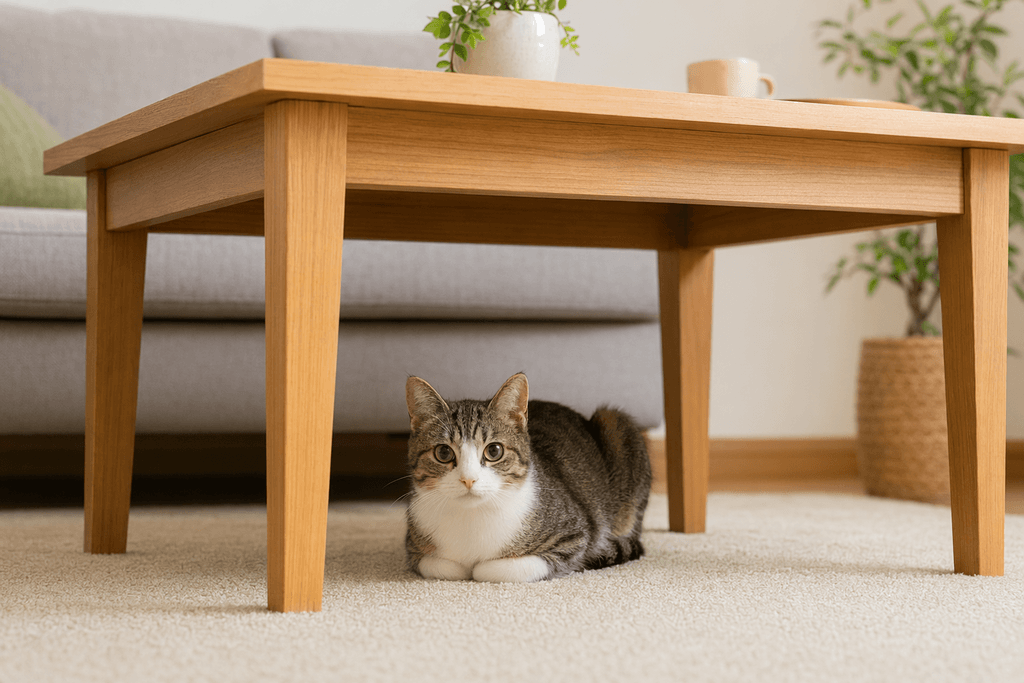
下
embaixo
下
embaixo
Explanation
下
embaixo
下
abaixo / debaixo / inferior
物
coisa
物
coisa
Explanation
物
coisa
物
coisa; objeto material / bem corpóreo / objeto concreto

( romanization )
( hiragana )
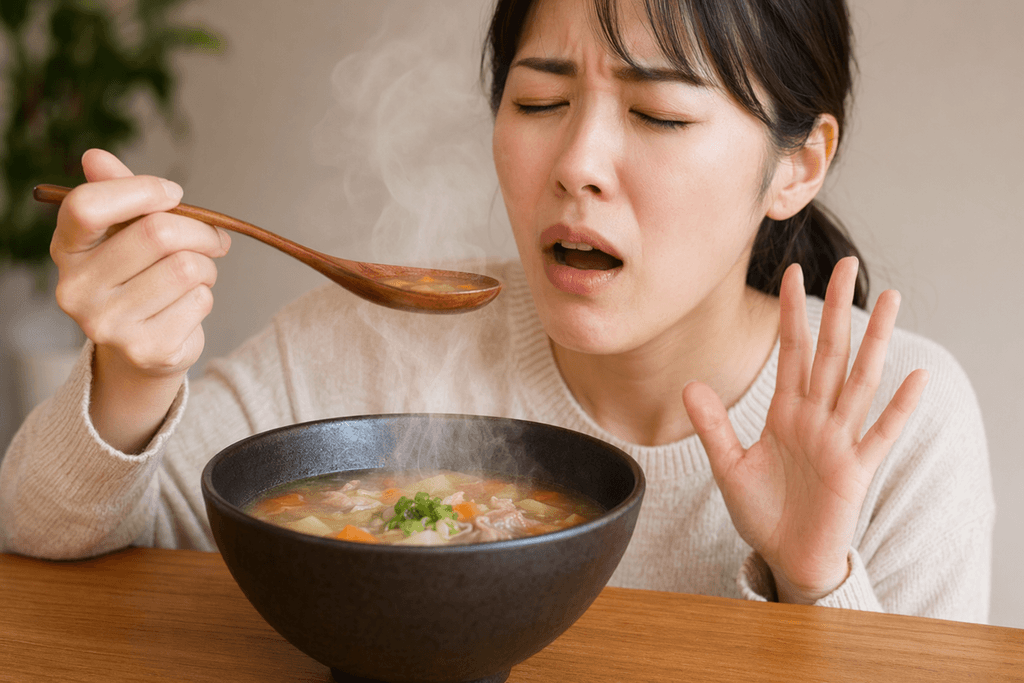
熱い
quente
熱い
quente
Explanation
熱い
quente
熱い
quente / caloroso / em alta temperatura
Word Forms
The basic and commonly used forms of this adjective.
Basic forms
| Form | Word form | Usage |
|---|---|---|
| Imperfective form (mizenkei) | Used in forms such as karou; mainly literary. | |
| Continuative form (renyokei) |
Alternative:
熱かっ
|
Used in forms such as kute and kunai. |
| Conclusive form (shushikei) | Ends a sentence. | |
| Attributive form (rentaikei) | Modifies a noun. | |
| Conditional form (kateikei) | Expresses a condition with kereba. | |
| Imperative form (meireikei) | Rarely used in modern Japanese. |
Common forms
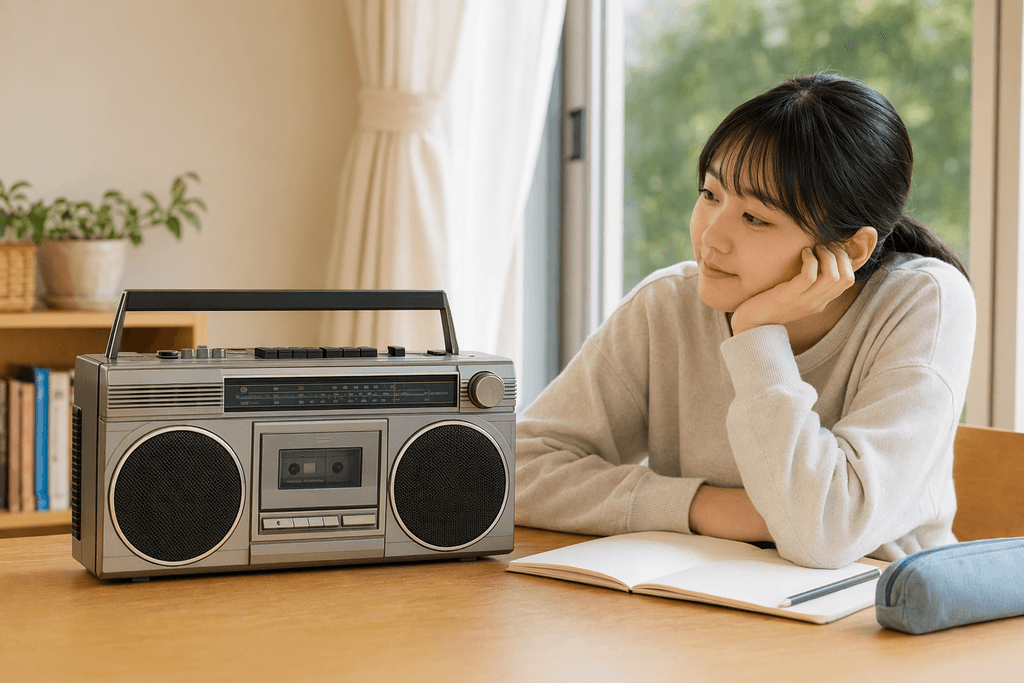
ラジカセ
rádio com toca-fitas
ラジカセ
rádio com toca-fitas
Explanation
rádio com toca-fitas
ラジカセ
rádio cassete / rádio-gravador portátil / aparelho de som portátil com rádio e fita cassete
( romanization )
( counter )
飲む
beber
飲む
beber
Explanation
飲む
beber
飲む
beber / ingerir líquido / tomar (bebida)

Word Forms
The basic and commonly used forms of this verb.
Basic forms
| Form | Word form | Usage |
|---|---|---|
| Imperfective form (mizenkei) |
Alternative:
飲も
|
Connects to endings such as nai, reru, and seru. |
| Continuative form (renyokei) | Connects to endings such as masu, tai, and ta. | |
| Conclusive form (shushikei) | Ends a sentence and serves as the dictionary form. | |
| Attributive form (rentaikei) | Modifies a noun. | |
| Conditional form (kateikei) | Combines with ba to express a condition. | |
| Imperative form (meireikei) | Expresses a command or instruction. |
Common forms
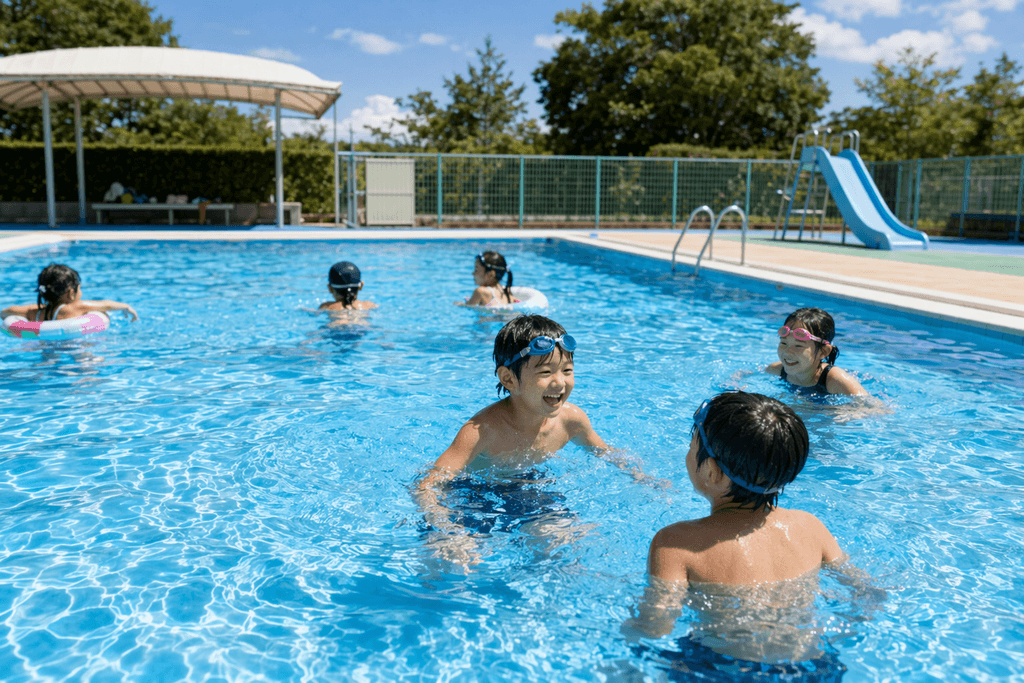
プール
piscina
プール
piscina
Explanation
piscina
プール
piscina / conjunto compartilhado de recursos, dados ou talentos
( romanization )
封筒
envelope
封筒
envelope
Explanation
封筒
envelope
封筒
envelope / invólucro para cartas / embalagem de papel para correspondência

( Base form )
( romanization )
( hiragana )
木曜日
quinta-feira
木曜日
quinta-feira
Explanation
木曜日
quinta-feira
木曜日
quinta-feira

( Base form )
( romanization )
( romanization )
( hiragana historical )
( hiragana )
Loading...

JLPT N5 多言語単語帳・665語 / JLPT N5 Multilingual Vocabulary: 665 Words

Jonathan Waller 氏の JLPT Resources の語彙リスト・レベル分類を出典とし、CC BY の条件に従って DiQt が初級向けに意味を作り直した665語の単語帳です。JLPT公式の語彙リストではありません。
This collection of 665 words is based on the vocabulary list and level classifications in Jonathan Waller’s JLPT Resources under CC BY, with meanings rewritten by DiQt for beginners. It is not an official JLPT vocabulary list.
Key Operations
Select the first quiz:
Ctrl + Enter
View Explanation:Ctrl + G
Close a feedback:Esc
When selecting a quiz
Answer:Enter
Select a choice:↓ or ↑
Reading out the question:Ctrl + K
View Hint: Ctrl + M
I don't know: Ctrl + Y



