
JLPT N5: Significados das palavras - Unsolved

Aprenda em português os significados de 665 palavras do JLPT N5 com questões de quatro alternativas.
-
banho
-
calça
-
restaurante
-
puxar
-
voar
-
dar / levantar
-
nascer
-
tomar banho de chuveiro
-
fazer
-
cartão-postal
-
jantar
-
casa
-
perder
-
correr
-
telefonar
-
fazer
-
tomar banho de chuveiro
-
estar em apuros
-
por quê
-
todas as noites
-
não muito
-
amigo
-
posto policial
-
cabeça
-
vermelho
-
caneta esferográfica
-
céu
-
quantos / quantos anos
-
por aqui
-
qual deles
昼
meio-dia / período diurno
昼
meio-dia / período diurno
Explanation
昼
meio-dia / período diurno
昼
meio-dia / período diurno / durante o dia

( romanization )
( kyūjitai )
( hiragana )
住む
morar
住む
morar
Explanation
住む
morar
住む
morar / residir / viver em um lugar

Word Forms
The basic and commonly used forms of this verb.
Basic forms
| Form | Word form | Usage |
|---|---|---|
| Imperfective form (mizenkei) | Connects to endings such as nai, reru, and seru. | |
| Continuative form (renyokei) | Connects to endings such as masu, tai, and ta. | |
| Conclusive form (shushikei) | Ends a sentence and serves as the dictionary form. | |
| Attributive form (rentaikei) | Modifies a noun. | |
| Conditional form (kateikei) | Combines with ba to express a condition. | |
| Imperative form (meireikei) | Expresses a command or instruction. |
Common forms
脱ぐ
tirar a roupa
脱ぐ
tirar a roupa
Explanation
脱ぐ
tirar a roupa
脱ぐ
tirar a roupa / despir-se / tirar (uma peça de roupa)

Word Forms
The basic and commonly used forms of this verb.
Basic forms
| Form | Word form | Usage |
|---|---|---|
| Imperfective form (mizenkei) |
Alternative:
脱ご
|
Connects to endings such as nai, reru, and seru. |
| Continuative form (renyokei) |
Alternative:
脱い
|
Connects to endings such as masu, tai, and ta. |
| Conclusive form (shushikei) | Ends a sentence and serves as the dictionary form. | |
| Attributive form (rentaikei) | Modifies a noun. | |
| Conditional form (kateikei) | Combines with ba to express a condition. | |
| Imperative form (meireikei) | Expresses a command or instruction. |
Common forms
背広
terno
背広
terno
Explanation
背広
terno
背広
terno / traje social / traje de negócios

( Base form )
( romanization )
( counter )
( hiragana )
出かける
sair
出かける
sair
Explanation
出かける
sair
出かける
sair (de casa) / dar uma saída / ir a algum lugar (para uma atividade)

Word Forms
The basic and commonly used forms of this verb.
Basic forms
| Form | Word form | Usage |
|---|---|---|
| Imperfective form (mizenkei) |
Alternative:
出かけよ
|
Connects to endings such as nai, reru, and seru. |
| Continuative form (renyokei) | Connects to endings such as masu, tai, and ta. | |
| Conclusive form (shushikei) | Ends a sentence and serves as the dictionary form. | |
| Attributive form (rentaikei) | Modifies a noun. | |
| Conditional form (kateikei) | Combines with ba to express a condition. | |
| Imperative form (meireikei) |
Alternative:
出かけよ
|
Expresses a command or instruction. |
Common forms
話す
falar
話す
falar
Explanation
話す
falar
話す
falar / conversar / dizer

Word Forms
The basic and commonly used forms of this verb.
Basic forms
| Form | Word form | Usage |
|---|---|---|
| Imperfective form (mizenkei) |
Alternative:
話そ
|
Connects to endings such as nai, reru, and seru. |
| Continuative form (renyokei) | Connects to endings such as masu, tai, and ta. | |
| Conclusive form (shushikei) | Ends a sentence and serves as the dictionary form. | |
| Attributive form (rentaikei) | Modifies a noun. | |
| Conditional form (kateikei) | Combines with ba to express a condition. | |
| Imperative form (meireikei) | Expresses a command or instruction. |
Common forms
とても
muito
とても
muito
Explanation
muito
とても
muito / bastante / extremamente

( romanization )
雪
neve
雪
neve
Explanation
雪
neve
雪
neve / queda de neve / camada ou manto de neve
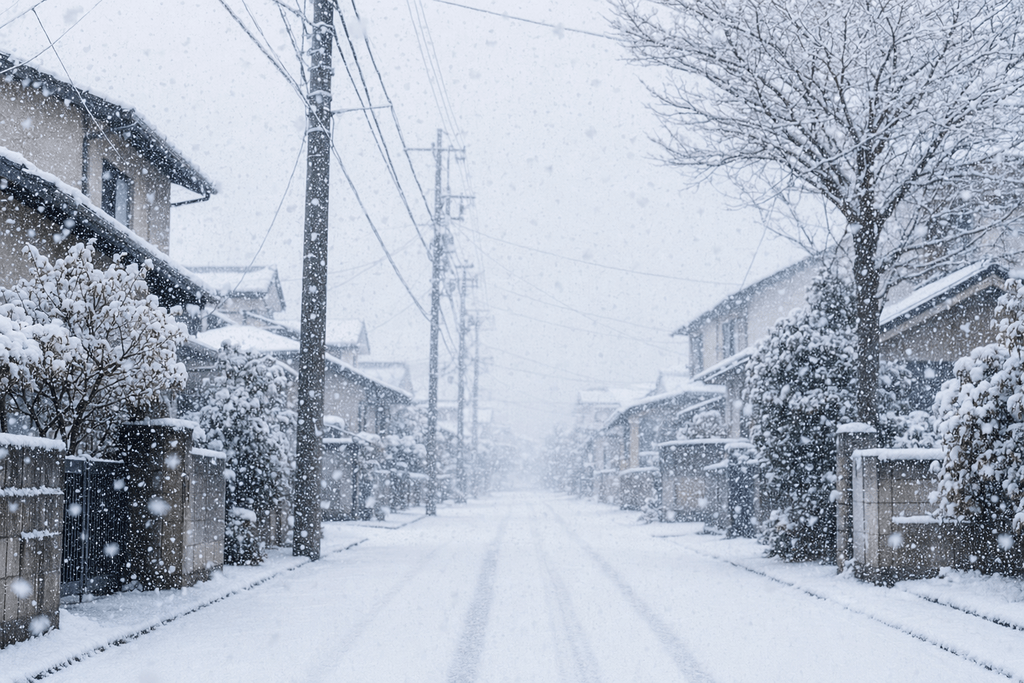
時間
tempo / hora
時間
tempo / hora
Explanation
時間
tempo / hora
時間
tempo / hora / horário

( Base form )
( romanization )
( hiragana )
どなた
quem
どなた
quem
Explanation
quem
どなた
quem (forma polida) / qual pessoa (modo cortês)

( romanization )
Loading...

JLPT N5 多言語単語帳・665語 / JLPT N5 Multilingual Vocabulary: 665 Words

Jonathan Waller 氏の JLPT Resources の語彙リスト・レベル分類を出典とし、CC BY の条件に従って DiQt が初級向けに意味を作り直した665語の単語帳です。JLPT公式の語彙リストではありません。
This collection of 665 words is based on the vocabulary list and level classifications in Jonathan Waller’s JLPT Resources under CC BY, with meanings rewritten by DiQt for beginners. It is not an official JLPT vocabulary list.
Key Operations
Select the first quiz:
Ctrl + Enter
View Explanation:Ctrl + G
Close a feedback:Esc
When selecting a quiz
Answer:Enter
Select a choice:↓ or ↑
Reading out the question:Ctrl + K
View Hint: Ctrl + M
I don't know: Ctrl + Y



