
JLPT N5: Latihan arti kata - Unsolved

Pelajari arti 665 kata JLPT N5 dalam bahasa Indonesia melalui soal dengan empat pilihan jawaban.
-
bibi / wanita paruh baya
-
di bawah
-
bekal makan siang
-
lahir
-
menjadi mendung
-
berenang
-
berita
-
sandal rumah
-
istri
-
memanggil / mengundang
-
turun hujan / turun salju
-
meletakkan
-
orang
-
makanan
-
jaket
-
kemarin lusa
-
memasak / masakan
-
tadi pagi
-
apa
-
siapa
-
di sana
-
satu orang
-
camilan
-
polisi
-
menyenangkan
-
kecil
-
berbahaya
- イ形容詞。命令形「寒かれ」は現代語では稀。
-
yang mana / sebelah mana
-
sebelah situ
-
sebelah sini
自動車
mobil
自動車
mobil
Explanation
自動車
mobil
自動車
mobil / kendaraan bermotor roda empat

( Base form )
( romanization )
( romanization )
( hiragana historical )
( hiragana )
始まる
dimulai
始まる
dimulai
Explanation
始まる
dimulai
始まる
mulai / berawal / dimulai

Word Forms
The basic and commonly used forms of this verb.
Basic forms
| Form | Word form | Usage |
|---|---|---|
| Imperfective form (mizenkei) | Connects to endings such as nai, reru, and seru. | |
| Continuative form (renyokei) | Connects to endings such as masu, tai, and ta. | |
| Conclusive form (shushikei) | Ends a sentence and serves as the dictionary form. | |
| Attributive form (rentaikei) | Modifies a noun. | |
| Conditional form (kateikei) | Combines with ba to express a condition. | |
| Imperative form (meireikei) | Expresses a command or instruction. |
Common forms
女
wanita
女
wanita
Explanation
女
wanita
女
(arkais) perempuan muda; gadis / (arkais) perempuan; wanita

( romanization )
( romanization )
( hiragana historical )
( hiragana )
乗る
naik kendaraan / menumpang
乗る
naik kendaraan / menumpang
Explanation
乗る
naik kendaraan / menumpang
乗る
naik (kendaraan) / menumpang / menaiki

Word Forms
The basic and commonly used forms of this verb.
Basic forms
| Form | Word form | Usage |
|---|---|---|
| Imperfective form (mizenkei) |
Alternative:
乗ろ
|
Connects to endings such as nai, reru, and seru. |
| Continuative form (renyokei) | Connects to endings such as masu, tai, and ta. | |
| Conclusive form (shushikei) | Ends a sentence and serves as the dictionary form. | |
| Attributive form (rentaikei) | Modifies a noun. | |
| Conditional form (kateikei) | Combines with ba to express a condition. | |
| Imperative form (meireikei) | Expresses a command or instruction. |
Common forms
靴下
kaus kaki
靴下
kaus kaki
Explanation
靴下
kaus kaki
靴下
kaus kaki / sarung kaki

( Base form )
( romanization )
( hiragana )
言葉
kata / bahasa
言葉
kata / bahasa
Explanation
言葉
kata / bahasa
言葉
kata / bahasa / ucapan

( Base form )
( romanization )
( hiragana )
どちら
yang mana / sebelah mana
どちら
yang mana / sebelah mana
Explanation
yang mana / sebelah mana
どちら
yang mana (dari dua) / ke arah mana

( romanization )
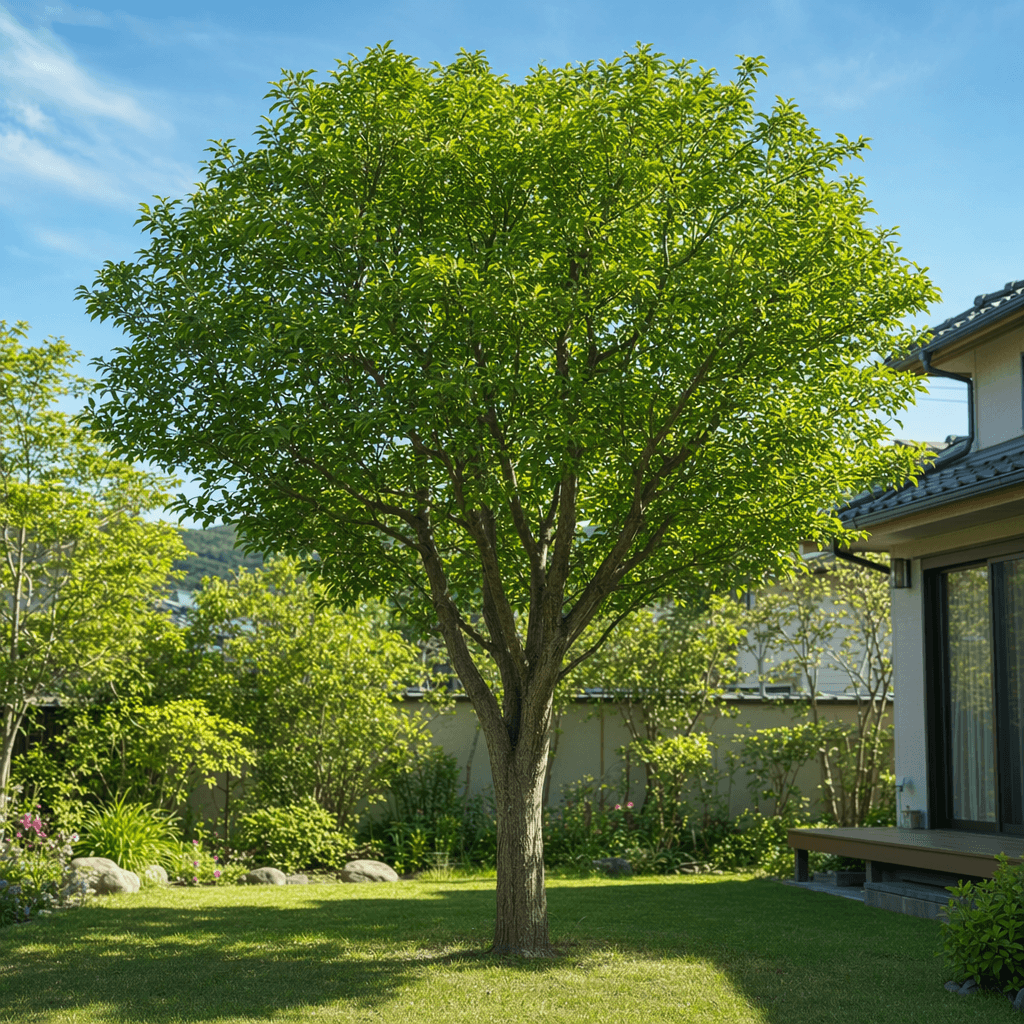
木
pohon / kayu
木
pohon / kayu
Explanation
木
pohon / kayu
木
pohon (hidup) / kayu; bahan kayu / batang/akar tua yang bengkok
( romanization )
( hiragana )
寒い
dingin
寒い
dingin
Explanation
寒い
dingin
寒い
dingin (tentang cuaca/udara) / terasa dingin; bersuhu rendah

Word Forms
The basic and commonly used forms of this adjective.
Basic forms
| Form | Word form | Usage |
|---|---|---|
| Imperfective form (mizenkei) |
Alternative:
寒から
|
Used in forms such as karou; mainly literary. |
| Continuative form (renyokei) |
Alternative:
寒かっ
|
Used in forms such as kute and kunai. |
| Conclusive form (shushikei) | Ends a sentence. | |
| Attributive form (rentaikei) | Modifies a noun. | |
| Conditional form (kateikei) | Expresses a condition with kereba. | |
| Imperative form (meireikei) | Rarely used in modern Japanese. |
Common forms
| Form | Word form | Usage |
|---|---|---|
| Te-form | Connects clauses with kute. | |
| Ta-form | Expresses the past with katta. | |
| Nai-form | Expresses negation with kunai. | |
| Ba-form | Expresses a condition with kereba. |
Notes
あなた
kamu
あなた
kamu
Explanation
kamu
あなた
kamu / Anda / engkau

( romanization )
Loading...

JLPT N5 多言語単語帳・665語 / JLPT N5 Multilingual Vocabulary: 665 Words

Jonathan Waller 氏の JLPT Resources の語彙リスト・レベル分類を出典とし、CC BY の条件に従って DiQt が初級向けに意味を作り直した665語の単語帳です。JLPT公式の語彙リストではありません。
This collection of 665 words is based on the vocabulary list and level classifications in Jonathan Waller’s JLPT Resources under CC BY, with meanings rewritten by DiQt for beginners. It is not an official JLPT vocabulary list.
Key Operations
Select the first quiz:
Ctrl + Enter
View Explanation:Ctrl + G
Close a feedback:Esc
When selecting a quiz
Answer:Enter
Select a choice:↓ or ↑
Reading out the question:Ctrl + K
View Hint: Ctrl + M
I don't know: Ctrl + Y



