
JLPT N5: Latihan arti kata - Unsolved

Pelajari arti 665 kata JLPT N5 dalam bahasa Indonesia melalui soal dengan empat pilihan jawaban.
-
tiba
-
mengerti
-
menutup
-
perut
-
meja
-
Jumat
-
hujan
-
adik perempuan
-
negara asing
-
dua puluh hari / tanggal dua puluh
-
nenek / wanita lanjut usia
-
Rabu
-
melakukan
-
turun dari kendaraan / turun
-
membaca
-
bunga
-
masalah / soal
-
timur
-
lemah
-
besar
-
cepat
-
rendah / bertubuh pendek
-
cepat
-
sedikit
-
jendela
-
mangkuk nasi
-
kamera
-
ramai
-
bermacam-macam
-
suka
貼る
menempelkan
貼る
menempelkan
Explanation
貼る
menempelkan
貼る
menempelkan / menempel / merekatkan

Word Forms
The basic and commonly used forms of this verb.
Basic forms
| Form | Word form | Usage |
|---|---|---|
| Imperfective form (mizenkei) | Connects to endings such as nai, reru, and seru. | |
| Continuative form (renyokei) | Connects to endings such as masu, tai, and ta. | |
| Conclusive form (shushikei) | Ends a sentence and serves as the dictionary form. | |
| Attributive form (rentaikei) | Modifies a noun. | |
| Conditional form (kateikei) | Combines with ba to express a condition. | |
| Imperative form (meireikei) | Expresses a command or instruction. |
Common forms
鳥
burung
鳥
burung
Explanation
鳥
burung
鳥
burung / kelas burung (aves)

( romanization )
( hiragana )
歯
gigi
歯
gigi
Explanation
歯
gigi
歯
gigi / gerigi (gigi pada roda/alat)

( romanization )
( kyūjitai )
( hiragana )
今年
tahun ini
今年
tahun ini
Explanation
今年
tahun ini
今年
tahun ini / tahun sekarang / tahun berjalan

( Base form )
( romanization )
( hiragana )
晴れる
menjadi cerah
晴れる
menjadi cerah
Explanation
晴れる
menjadi cerah
晴れる
(cuaca) menjadi cerah / (perasaan) menjadi lega; hati lapang / dibebaskan dari kecurigaan/tuduhan

Word Forms
The basic and commonly used forms of this verb.
Basic forms
| Form | Word form | Usage |
|---|---|---|
| Imperfective form (mizenkei) | Connects to endings such as nai, reru, and seru. | |
| Continuative form (renyokei) | Connects to endings such as masu, tai, and ta. | |
| Conclusive form (shushikei) | Ends a sentence and serves as the dictionary form. | |
| Attributive form (rentaikei) | Modifies a noun. | |
| Conditional form (kateikei) | Combines with ba to express a condition. | |
| Imperative form (meireikei) |
Alternative:
晴れよ
|
Expresses a command or instruction. |
Common forms
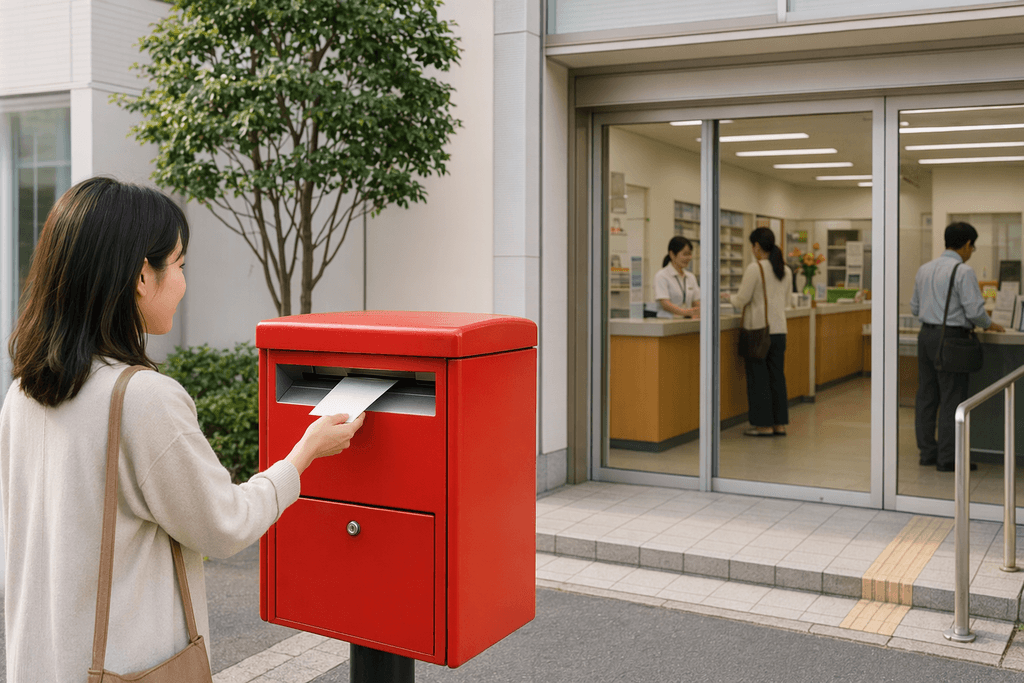
郵便局
kantor pos
郵便局
kantor pos
Explanation
郵便局
kantor pos
郵便局
kantor pos / tempat mengirim surat dan paket
( Base form )
( romanization )
( romanization )
( hiragana historical )
( hiragana )
短い
pendek
短い
pendek
Explanation
短い
pendek
短い
pendek / singkat / ringkas

Word Forms
The basic and commonly used forms of this adjective.
Basic forms
| Form | Word form | Usage |
|---|---|---|
| Imperfective form (mizenkei) | Used in forms such as karou; mainly literary. | |
| Continuative form (renyokei) |
Alternative:
短かっ
|
Used in forms such as kute and kunai. |
| Conclusive form (shushikei) | Ends a sentence. | |
| Attributive form (rentaikei) | Modifies a noun. | |
| Conditional form (kateikei) | Expresses a condition with kereba. | |
| Imperative form (meireikei) | Rarely used in modern Japanese. |
Common forms
古い
lama
古い
lama
Explanation
古い
lama
古い
tua / lama / kuno

Word Forms
The basic and commonly used forms of this adjective.
Basic forms
| Form | Word form | Usage |
|---|---|---|
| Imperfective form (mizenkei) | Used in forms such as karou; mainly literary. | |
| Continuative form (renyokei) |
Alternative:
古かっ
|
Used in forms such as kute and kunai. |
| Conclusive form (shushikei) | Ends a sentence. | |
| Attributive form (rentaikei) | Modifies a noun. | |
| Conditional form (kateikei) | Expresses a condition with kereba. | |
| Imperative form (meireikei) | Rarely used in modern Japanese. |
Common forms
勉強
belajar
勉強
belajar
Explanation
勉強
belajar
勉強
kegiatan belajar / studi / pelajaran

( Base form )
( romanization )
( romanization )
( hiragana historical )
( hiragana )
便利
praktis
便利
praktis
Explanation
便利
praktis
便利
praktis / nyaman / mudah

Word Forms
The basic and commonly used forms of this adjectival noun.
Basic forms
| Form | Word form | Usage |
|---|---|---|
| Imperfective form (mizenkei) | Used in forms such as darou. | |
| Continuative form (renyokei) |
Alternative:
便利に
|
Used with de or ni. |
| Conclusive form (shushikei) | Ends a sentence with da. | |
| Attributive form (rentaikei) |
Alternative:
便利なる
|
Modifies a noun with na. |
| Conditional form (kateikei) | Expresses a condition with nara. | |
| Imperative form (meireikei) | Used in formal expressions such as de are. |
Common forms
Loading...

JLPT N5 多言語単語帳・665語 / JLPT N5 Multilingual Vocabulary: 665 Words

Jonathan Waller 氏の JLPT Resources の語彙リスト・レベル分類を出典とし、CC BY の条件に従って DiQt が初級向けに意味を作り直した665語の単語帳です。JLPT公式の語彙リストではありません。
This collection of 665 words is based on the vocabulary list and level classifications in Jonathan Waller’s JLPT Resources under CC BY, with meanings rewritten by DiQt for beginners. It is not an official JLPT vocabulary list.
Key Operations
Select the first quiz:
Ctrl + Enter
View Explanation:Ctrl + G
Close a feedback:Esc
When selecting a quiz
Answer:Enter
Select a choice:↓ or ↑
Reading out the question:Ctrl + K
View Hint: Ctrl + M
I don't know: Ctrl + Y



