
JLPT N4: Kahulugan ng mga salita - Unsolved

Alamin ang kahulugan ng 631 salita sa JLPT N4 sa Filipino sa pamamagitan ng mga tanong na may apat na pagpipilian.
-
bigyan ako
-
maging sapat
-
tumanggap
-
masigasig
-
panghihinayang
-
masalimuot
- 「安心」は名詞としても用いられ、「安心する」でサ変動詞としても用いられる。
- 連体形は性質・状態を表す場合に「安心な」を用いるが、名詞を修飾する場合は「安心の」も多い。
-
mag-withdraw / hilahin palabas
-
humarap / magtungo
-
magtanim
- 「投げる」は下一段活用の動詞。津軽・北海道方言では「捨てる」「投げ捨てる」の意味でも用いられる。
-
basura
-
abala
-
liwanag
-
maleta
-
maliban sa
-
guwantes
-
isabit / tumawag sa telepono
-
manalangin
-
maabala / magmalasakit
-
pista
-
panaginip
-
ulap
-
diksiyonaryo
-
pagtatapos ng pag-aaral
-
trapiko / transportasyon
-
paliparan
-
ilaw na de-kuryente
-
upuan
-
amoy
-
matematika
-
ngayong pagkakataon / sa susunod
光る
lumiwanag
光る
lumiwanag
Explanation
光る
lumiwanag
光る
kumislap o kuminang / magningning o magliwanag / umangat; maging kapuna-puna o mahusay

Word Forms
The basic and commonly used forms of this verb.
Basic forms
| Form | Word form | Usage |
|---|---|---|
| Imperfective form (mizenkei) | Connects to endings such as nai, reru, and seru. | |
| Continuative form (renyokei) | Connects to endings such as masu, tai, and ta. | |
| Conclusive form (shushikei) | Ends a sentence and serves as the dictionary form. | |
| Attributive form (rentaikei) | Modifies a noun. | |
| Conditional form (kateikei) | Combines with ba to express a condition. | |
| Imperative form (meireikei) | Expresses a command or instruction. |
Common forms
安心
kapanatagan
安心
kapanatagan
Explanation
安心
kapanatagan
安心
panatag / nakapapanatag ng loob / ligtas

Word Forms
The basic and commonly used forms of this adjectival noun.
Basic forms
| Form | Word form | Usage |
|---|---|---|
| Imperfective form (mizenkei) | Used in forms such as darou. | |
| Continuative form (renyokei) |
Alternative:
安心に
|
Used with de or ni. |
| Conclusive form (shushikei) | Ends a sentence with da. | |
| Attributive form (rentaikei) | Modifies a noun with na. | |
| Conditional form (kateikei) | Expresses a condition with nara. | |
| Imperative form (meireikei) | Used in formal expressions such as de are. |
Common forms
| Form | Word form | Usage |
|---|---|---|
| Te-form equivalent | Connects clauses using de. | |
| Ta-form | Expresses the past with datta. | |
| Nai-form |
Alternative:
安心じゃない
|
Expresses negation with dewa nai or ja nai. |
| Desu-form | Used for polite speech. |
Notes
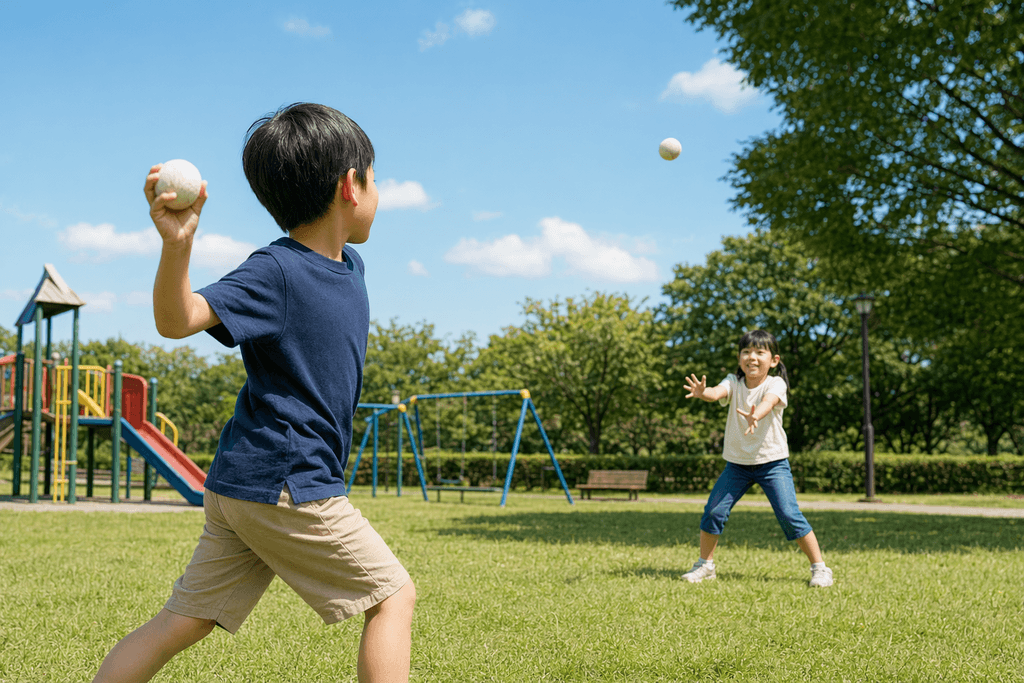
投げる
ihagis
投げる
ihagis
Explanation
投げる
ihagis
投げる
ihagis / itapon (sa Tsugaru at Hokkaidō)
Word Forms
The basic and commonly used forms of this verb.
Basic forms
| Form | Word form | Usage |
|---|---|---|
| Imperfective form (mizenkei) | Connects to endings such as nai, reru, and seru. | |
| Continuative form (renyokei) | Connects to endings such as masu, tai, and ta. | |
| Conclusive form (shushikei) | Ends a sentence and serves as the dictionary form. | |
| Attributive form (rentaikei) | Modifies a noun. | |
| Conditional form (kateikei) | Combines with ba to express a condition. | |
| Imperative form (meireikei) |
Alternative:
投げよ
|
Expresses a command or instruction. |
Common forms
| Form | Word form | Usage |
|---|---|---|
| Te-form | Connects clauses with te. | |
| Ta-form | Expresses the past with ta. | |
| Nai-form | Expresses negation with nai. | |
| Masu-form | Used for polite speech. | |
| Ba-form | Expresses a condition with ba. | |
| Volitional form | Expresses intention or invitation. |
Notes
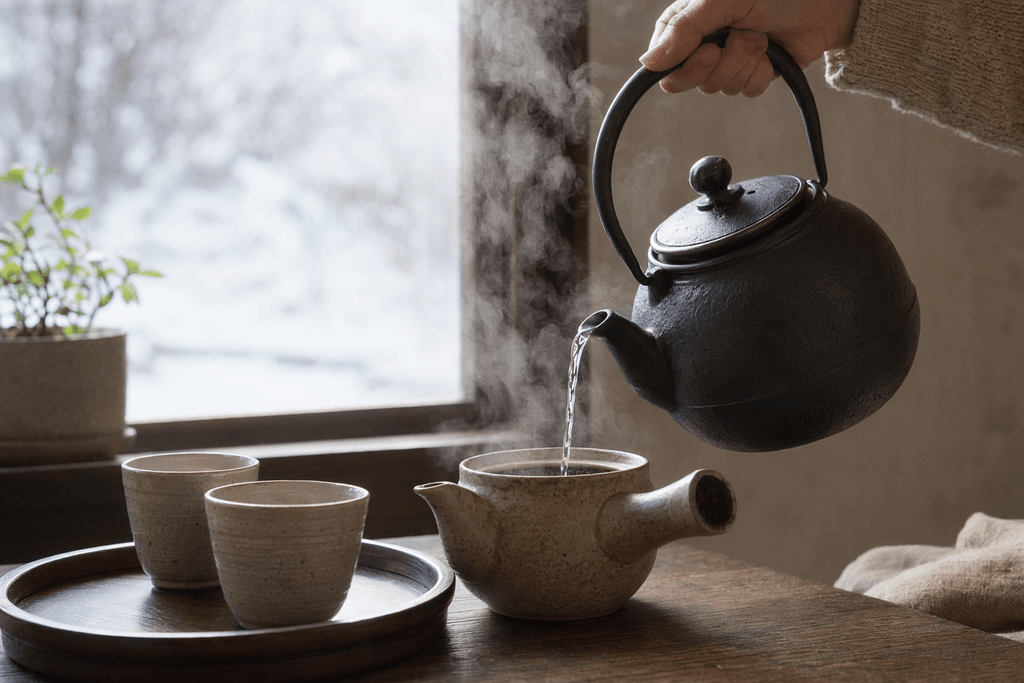
湯
mainit na tubig
湯
mainit na tubig
Explanation
湯
mainit na tubig
湯
mainit na tubig / maligamgam na tubig
( romanization )
( hiragana )
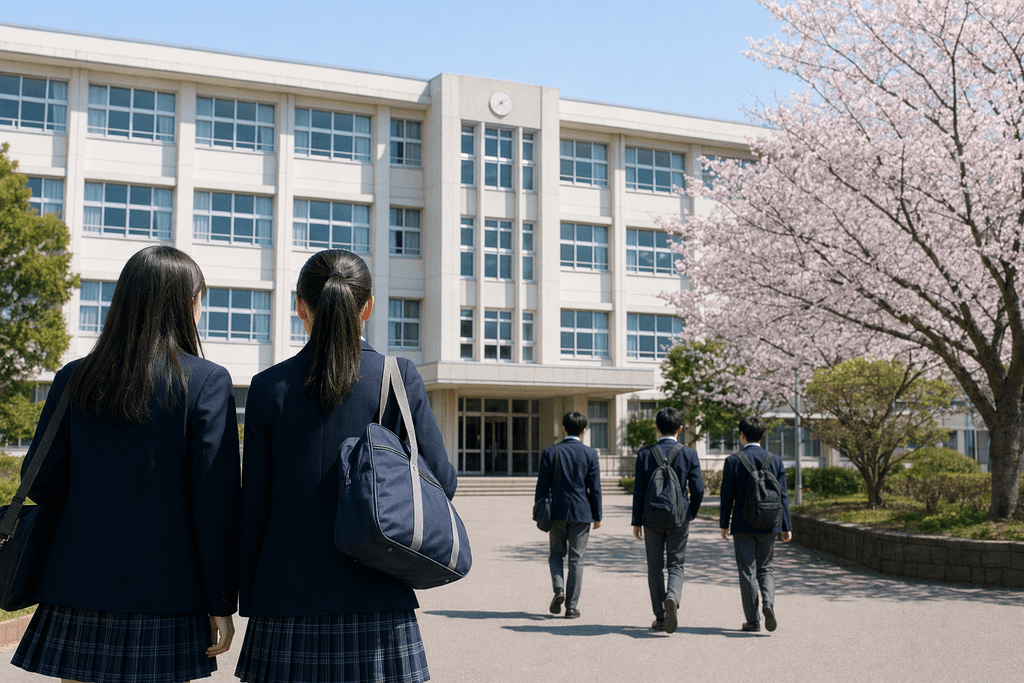
高等学校
mataas na paaralan
高等学校
mataas na paaralan
Explanation
高等学校
mataas na paaralan
高等学校
mataas na paaralan / hayskul / paaralang sekundarya
( Base form )
( romanization )
( romanization )
( hiragana historical )
( hiragana )
下宿する
mangupahan sa bahay
下宿する
mangupahan sa bahay
Explanation
下宿する
mangupahan sa bahay
下宿する
manuluyan / tumira sa paupahang bahay / tumira bilang boarder

Word Forms
The basic and commonly used forms of this verb.
Basic forms
| Form | Word form | Usage |
|---|---|---|
| Imperfective form (mizenkei) |
Alternative:
下宿せ
下宿さ
|
Connects to endings such as nai, reru, and seru. |
| Continuative form (renyokei) | Connects to endings such as masu, tai, and ta. | |
| Conclusive form (shushikei) | Ends a sentence and serves as the dictionary form. | |
| Attributive form (rentaikei) | Modifies a noun. | |
| Conditional form (kateikei) | Combines with ba to express a condition. | |
| Imperative form (meireikei) |
Alternative:
下宿せよ
|
Expresses a command or instruction. |
Common forms
連絡
pakikipag-ugnayan
連絡
pakikipag-ugnayan
Explanation
連絡
pakikipag-ugnayan
連絡
ugnayan / pakikipag-ugnayan / komunikasyon

( Base form )
( romanization )
( hiragana )
再来週
linggo matapos ang susunod
再来週
linggo matapos ang susunod
Explanation
再来週
linggo matapos ang susunod
再来週
ang linggo pagkatapos ng susunod na linggo / sa loob ng dalawang linggo mula ngayon

( Base form )
( romanization )
( hiragana )
故障
pagkasira
故障
pagkasira
Explanation
故障
pagkasira
故障
sira / depekto / aberya

( Base form )
( romanization )
( romanization )
( hiragana historical )
( hiragana )
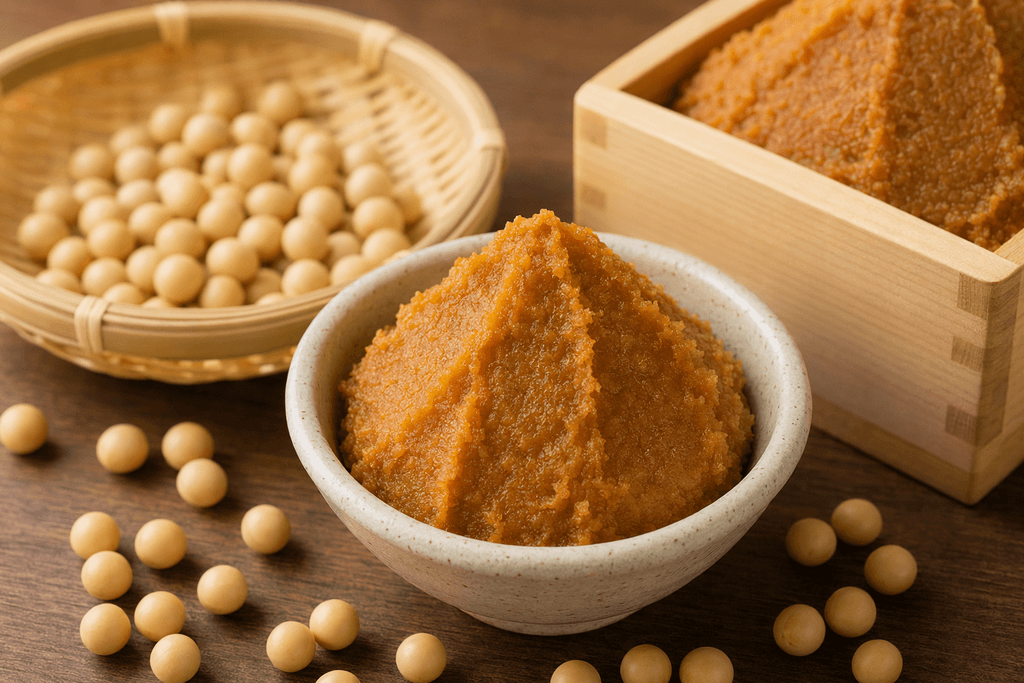
味噌
miso
味噌
miso
Explanation
味噌
miso
味噌
pasta ng fermentadong soya / pampalasang Hapon na gawa sa fermentadong soya
( Base form )
( romanization )
( hiragana )
Loading...

JLPT N4 多言語単語帳・631語 / JLPT N4 Multilingual Vocabulary: 631 Words

Jonathan Waller 氏の JLPT Resources の語彙リスト・レベル分類を出典とし、CC BY の条件に従って DiQt が初級向けに意味を作り直した631語の単語帳です。JLPT公式の語彙リストではありません。
This collection of 631 words is based on the vocabulary list and level classifications in Jonathan Waller’s JLPT Resources under CC BY, with meanings rewritten by DiQt for beginners. It is not an official JLPT vocabulary list.
Key Operations
Select the first quiz:
Ctrl + Enter
View Explanation:Ctrl + G
Close a feedback:Esc
When selecting a quiz
Answer:Enter
Select a choice:↓ or ↑
Reading out the question:Ctrl + K
View Hint: Ctrl + M
I don't know: Ctrl + Y



