
JLPT N4: Kahulugan ng mga salita - Unsolved

Alamin ang kahulugan ng 631 salita sa JLPT N4 sa Filipino sa pamamagitan ng mga tanong na may apat na pagpipilian.
-
magbigay
-
bigyan ako
-
dumalaw / magtanong
-
una sa lahat
-
sa ganoong antas
-
nang diretso / bigla
-
linggo matapos ang susunod
-
sagabal
-
suplay ng tubig
-
dumausdos / madulas
-
gumalaw
-
dumalo
-
magpatuloy
-
iparating
-
magkamali
-
pagsang-ayon
-
balbas / bigote
-
dugo
-
kaya
-
ngunit
-
kung
-
laruan
-
tindero
-
kampanilya
-
baybayin
-
puntos / tuldok
-
wala sa bahay
-
bumaba sa sasakyan / bumaba
-
ibaba / isabit
-
purihin
- 五段活用ガ行の動詞。連用形接続の「て」「た」ではイ音便により「急いで」「急いだ」となる。
泊まる
magpalipas ng gabi
泊まる
magpalipas ng gabi
Explanation
泊まる
magpalipas ng gabi
泊まる
tumuloy / manatili / magpalipas-gabi

Word Forms
The basic and commonly used forms of this verb.
Basic forms
| Form | Word form | Usage |
|---|---|---|
| Imperfective form (mizenkei) |
Alternative:
泊まろ
|
Connects to endings such as nai, reru, and seru. |
| Continuative form (renyokei) | Connects to endings such as masu, tai, and ta. | |
| Conclusive form (shushikei) | Ends a sentence and serves as the dictionary form. | |
| Attributive form (rentaikei) | Modifies a noun. | |
| Conditional form (kateikei) | Combines with ba to express a condition. | |
| Imperative form (meireikei) | Expresses a command or instruction. |
Common forms
そんなに
ganoon karami
そんなに
ganoon karami
Explanation
ganoon karami
そんなに
ganoon karami / sa gayong antas / ganyan

( romanization )
はず
inaasahang
はず
inaasahang
Explanation
inaasahang
はず
inaasahan / inaasahang mangyayari / dapat (inaakalang mangyari)

壊れる
masira
壊れる
masira
Explanation
壊れる
masira
壊れる
masira / mabasag / mabali

Word Forms
The basic and commonly used forms of this verb.
Basic forms
| Form | Word form | Usage |
|---|---|---|
| Imperfective form (mizenkei) | Connects to endings such as nai, reru, and seru. | |
| Continuative form (renyokei) | Connects to endings such as masu, tai, and ta. | |
| Conclusive form (shushikei) | Ends a sentence and serves as the dictionary form. | |
| Attributive form (rentaikei) | Modifies a noun. | |
| Conditional form (kateikei) | Combines with ba to express a condition. | |
| Imperative form (meireikei) |
Alternative:
壊れよ
|
Expresses a command or instruction. |
Common forms
もらう
tumanggap
もらう
tumanggap
Explanation
tumanggap
もらう
tumanggap / makuha / tanggapin

Word Forms
The basic and commonly used forms of this verb.
Basic forms
| Form | Word form | Usage |
|---|---|---|
| Imperfective form (mizenkei) |
Alternative:
貰わ
|
Connects to endings such as nai, reru, and seru. |
| Continuative form (renyokei) |
Alternative:
貰い
|
Connects to endings such as masu, tai, and ta. |
| Conclusive form (shushikei) |
Alternative:
貰う
|
Ends a sentence and serves as the dictionary form. |
| Attributive form (rentaikei) |
Alternative:
貰う
|
Modifies a noun. |
| Conditional form (kateikei) |
Alternative:
貰え
|
Combines with ba to express a condition. |
| Imperative form (meireikei) |
Alternative:
貰え
|
Expresses a command or instruction. |
Common forms
| Form | Word form | Usage |
|---|---|---|
| Te-form |
Alternative:
貰って
|
Connects clauses with te. |
| Ta-form |
Alternative:
貰った
|
Expresses the past with ta. |
| Nai-form |
Alternative:
貰わない
|
Expresses negation with nai. |
| Masu-form |
Alternative:
貰います
|
Used for polite speech. |
| Ba-form |
Alternative:
貰えば
|
Expresses a condition with ba. |
| Volitional form |
Alternative:
貰おう
|
Expresses intention or invitation. |
おかげ
salamat sa
おかげ
salamat sa
Explanation
salamat sa
おかげ
biyaya / tulong / impluwensiya

( romanization )
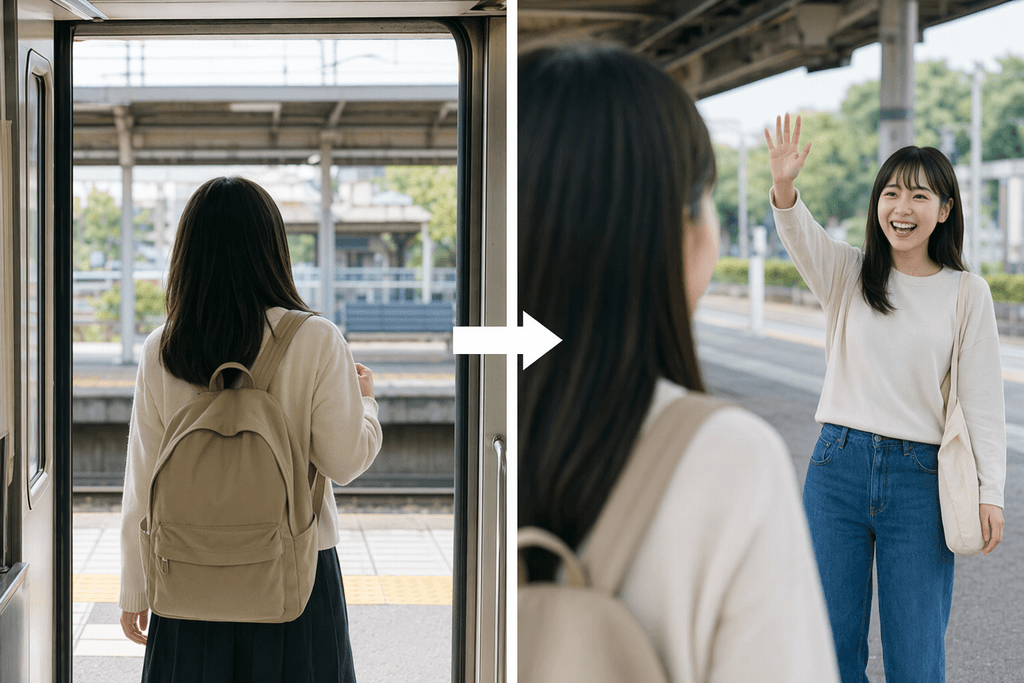
すると
pagkatapos ay
すると
pagkatapos ay
Explanation
pagkatapos ay
すると
pagkatapos ay / kaya / pagdaka
( romanization )
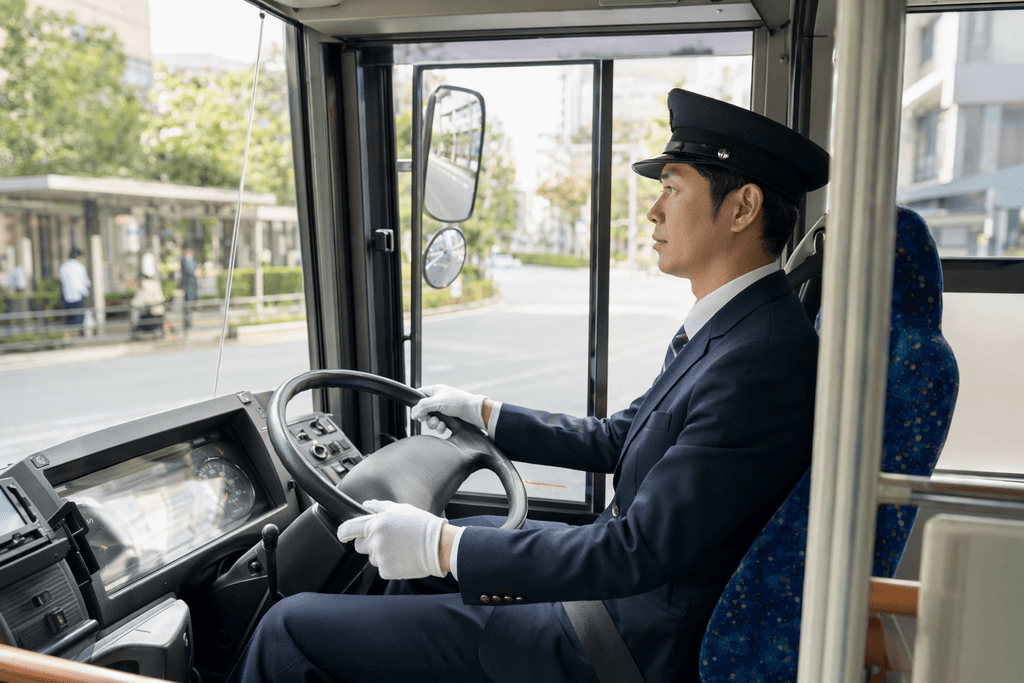
運転手
drayber
運転手
drayber
Explanation
運転手
drayber
運転手
tsuper / drayber / tagapagmaneho
( Base form )
( romanization )
( kyūjitai )
( hiragana )
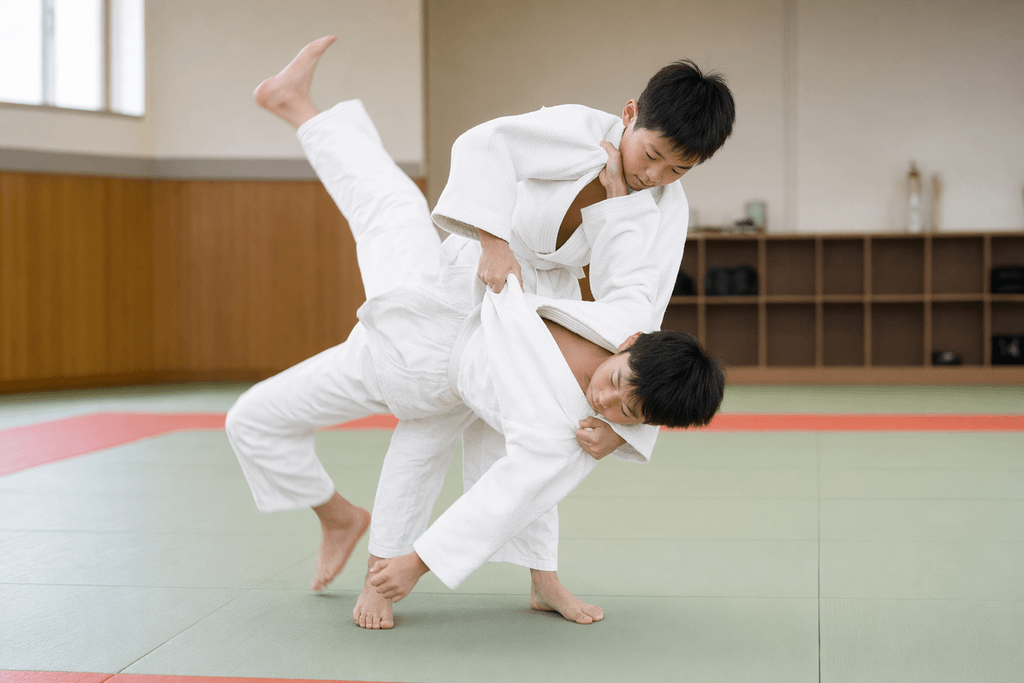
柔道
judo
柔道
judo
Explanation
柔道
judo
柔道
sining ng pakikipaglaban na Hapones na nakatuon sa paghahagis at pakikipagbuno / isport na martial art na gumagamit ng leverage para pabagsakin at kontrolin ang kalaban
( Base form )
( romanization )
( romanization )
( hiragana historical )
( hiragana )
急ぐ
magmadali
急ぐ
magmadali
Explanation
急ぐ
magmadali
急ぐ
magmadali / magpadalos-dalos / mainip

Word Forms
The basic and commonly used forms of this verb.
Basic forms
| Form | Word form | Usage |
|---|---|---|
| Imperfective form (mizenkei) |
Alternative:
急ご
|
Connects to endings such as nai, reru, and seru. |
| Continuative form (renyokei) | Connects to endings such as masu, tai, and ta. | |
| Conclusive form (shushikei) | Ends a sentence and serves as the dictionary form. | |
| Attributive form (rentaikei) | Modifies a noun. | |
| Conditional form (kateikei) | Combines with ba to express a condition. | |
| Imperative form (meireikei) | Expresses a command or instruction. |
Common forms
| Form | Word form | Usage |
|---|---|---|
| Te-form | Connects clauses with te. | |
| Ta-form | Expresses the past with ta. | |
| Nai-form | Expresses negation with nai. | |
| Masu-form | Used for polite speech. | |
| Ba-form | Expresses a condition with ba. | |
| Volitional form | Expresses intention or invitation. |
Notes
Loading...

JLPT N4 多言語単語帳・631語 / JLPT N4 Multilingual Vocabulary: 631 Words

Jonathan Waller 氏の JLPT Resources の語彙リスト・レベル分類を出典とし、CC BY の条件に従って DiQt が初級向けに意味を作り直した631語の単語帳です。JLPT公式の語彙リストではありません。
This collection of 631 words is based on the vocabulary list and level classifications in Jonathan Waller’s JLPT Resources under CC BY, with meanings rewritten by DiQt for beginners. It is not an official JLPT vocabulary list.
Key Operations
Select the first quiz:
Ctrl + Enter
View Explanation:Ctrl + G
Close a feedback:Esc
When selecting a quiz
Answer:Enter
Select a choice:↓ or ↑
Reading out the question:Ctrl + K
View Hint: Ctrl + M
I don't know: Ctrl + Y



