
JLPT N4 වචන අර්ථ පුහුණුව - Unsolved

පිළිතුරු විකල්ප හතරක් ඇති ප්රශ්න මඟින් JLPT N4 වචන 631ක අර්ථ සිංහලෙන් ඉගෙන ගන්න.
-
උනන්දුව
-
රජයේ සේවකයා
-
රැස්වීම් කාමරය
-
බාධාව
-
ආහාර ද්රව්ය
-
වායු සමීකරණය
-
අත්වැසුම
-
සුබ පැතීම
-
මුදල් ලේඛන යන්ත්රය
-
විකුණුම් ස්ථානය
-
රේඛාව
-
ඇතුළත කොටස
-
සිටුවනවා
-
මුහුණලා සිටිනවා / දෙසට යනවා
-
මුදල් ආපසු ගන්නවා / ඇදලා ගන්නවා
- 「投げる」は下一段活用の動詞。津軽・北海道方言では「捨てる」「投げ捨てる」の意味でも用いられる。
-
නගරයෙන් පිට ප්රදේශය
-
පුරුද්ද / චාරිත්රය
-
අතරමඟ
-
අනිවාර්යයෙන්ම
-
උදාහරණයක් ලෙස
-
මේ දවස්වල
-
අමතකව තැබූ දෙය
-
වර්ගය / විලාසය
-
මතය
-
හිරිහැර කරනවා
-
ඉදිරියට යනවා
-
මාළු බානවා
-
මහා නගරය
-
හඳුන්වා දීම
-
දර්ශන නැරඹීම
火事
ගින්න
火事
ගින්න
Explanation
火事
ගින්න
火事
ගිනි අනතුර / ගින්න (හානි සිදුකරන) / ගින්නෙන් වූ විනාශය
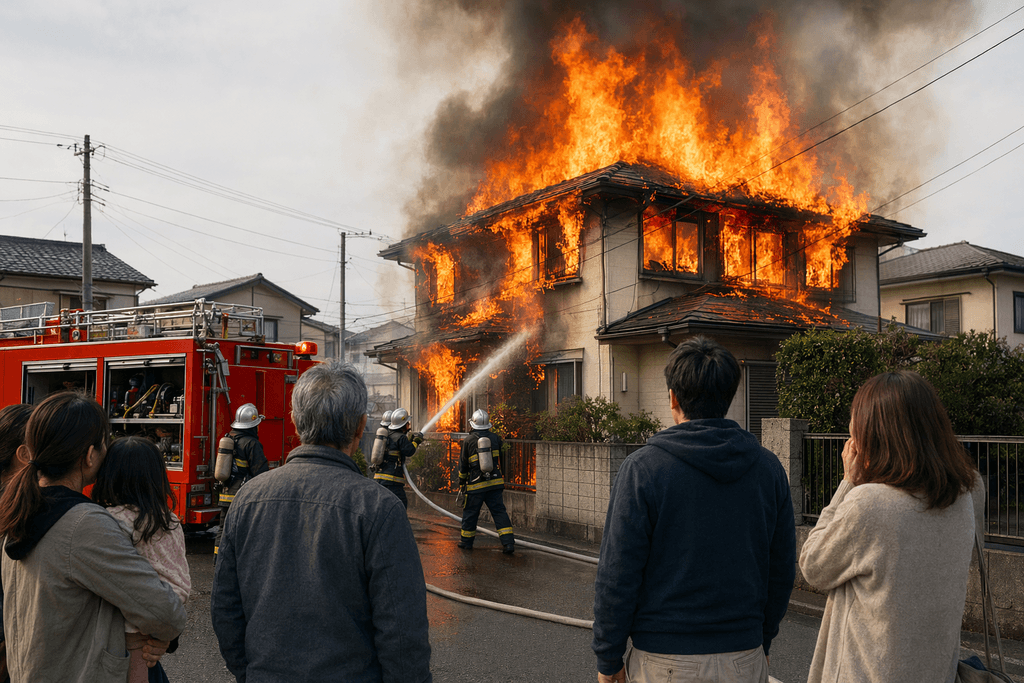
( Base form )
( romanization )
( romanization )
( hiragana historical )
( hiragana )
原因
හේතුව
原因
හේතුව
Explanation
原因
හේතුව
原因
හේතුව / කාරණය / නිදානය

( Base form )
( romanization )
( hiragana )
祖父
සීයා
祖父
සීයා
Explanation
祖父
සීයා
祖父
සීයා / පියාගේ හෝ මවගේ පියා

( Base form )
( romanization )
( hiragana )
雲
වලාකුළ
雲
වලාකුළ
Explanation
雲
වලාකුළ
雲
වලාකුළ / අහසේ පාවෙන වාෂ්ප කුළු

( romanization )
( hiragana )
投げる
විසි කරනවා
投げる
විසි කරනවා
Explanation
投げる
විසි කරනවා
投げる
විසිකරනවා / ඉවත දමනවා / පිටාර කර හැර දමනවා

Word Forms
The basic and commonly used forms of this verb.
Basic forms
| Form | Word form | Usage |
|---|---|---|
| Imperfective form (mizenkei) | Connects to endings such as nai, reru, and seru. | |
| Continuative form (renyokei) | Connects to endings such as masu, tai, and ta. | |
| Conclusive form (shushikei) | Ends a sentence and serves as the dictionary form. | |
| Attributive form (rentaikei) | Modifies a noun. | |
| Conditional form (kateikei) | Combines with ba to express a condition. | |
| Imperative form (meireikei) |
Alternative:
投げよ
|
Expresses a command or instruction. |
Common forms
| Form | Word form | Usage |
|---|---|---|
| Te-form | Connects clauses with te. | |
| Ta-form | Expresses the past with ta. | |
| Nai-form | Expresses negation with nai. | |
| Masu-form | Used for polite speech. | |
| Ba-form | Expresses a condition with ba. | |
| Volitional form | Expresses intention or invitation. |
Notes
冷房
වායු සමීකරණය
冷房
වායු සමීකරණය
Explanation
冷房
වායු සමීකරණය
冷房
වායු සමීකරණය / කාමරය සිසිල් කිරීම

( Base form )
( romanization )
( stem )
( Past )
( table-tags )
( inflection-template )
( imperfective stem )
( imperfective stem )
( imperfective )
( continuative stem )
( continuative stem )
( continuative )
( stem terminative )
( stem terminative )
( terminative )
( attributive stem )
( attributive stem )
( attributive )
( hypothetical stem )
( hypothetical stem )
( hypothetical )
( Imperative literary stem )
( colloquial Imperative stem )
( Imperative literary stem )
( colloquial Imperative stem )
( Imperative literary )
( colloquial Imperative )
( Passive voice )
( Passive voice )
( Passive voice )
( causative )
( causative )
( causative )
( causative )
( causative )
( causative )
( potential )
( potential )
( potential )
( volitional )
( volitional )
( volitional )
( negative )
( negative )
( negative )
( continuative negative )
( continuative negative )
( continuative negative )
( formal )
( formal )
( formal )
( perfective )
( perfective )
( perfective )
( conjunctive )
( conjunctive )
( conjunctive )
( Conditional hypothetical )
( Conditional hypothetical )
( Conditional hypothetical )
最初
ආරම්භය
最初
ආරම්භය
Explanation
最初
ආරම්භය
最初
මුලින්ම / පළමුව / ආරම්භයේදී

( Base form )
( romanization )
( hiragana )
ジャム
ජෑම්
ジャム
ජෑම්
Explanation
ජෑම්
ジャム
ඵල මුරබ්බා / ඵල ප්රිසර්ව්

( romanization )
準備する
සූදානම් කරනවා
準備する
සූදානම් කරනවා
Explanation
準備する
සූදානම් කරනවා
準備する
සූදානම් කරනවා / සකස් කරනවා / සැලසුම් කර තැබෙනවා

Word Forms
The basic and commonly used forms of this verb.
Basic forms
| Form | Word form | Usage |
|---|---|---|
| Imperfective form (mizenkei) |
Alternative:
準備せ
準備さ
|
Connects to endings such as nai, reru, and seru. |
| Continuative form (renyokei) | Connects to endings such as masu, tai, and ta. | |
| Conclusive form (shushikei) | Ends a sentence and serves as the dictionary form. | |
| Attributive form (rentaikei) | Modifies a noun. | |
| Conditional form (kateikei) | Combines with ba to express a condition. | |
| Imperative form (meireikei) |
Alternative:
準備せよ
|
Expresses a command or instruction. |
Common forms
ワープロ
වදන් සකසනය
ワープロ
වදන් සකසනය
Explanation
වදන් සකසනය
ワープロ
වචන සැකසීමේ මෘදුකාංගය / වචන සැකසුම් වැඩසටහන / වචන සැකසුම් යන්ත්රය

( romanization )
Loading...

JLPT N4 多言語単語帳・631語 / JLPT N4 Multilingual Vocabulary: 631 Words

Jonathan Waller 氏の JLPT Resources の語彙リスト・レベル分類を出典とし、CC BY の条件に従って DiQt が初級向けに意味を作り直した631語の単語帳です。JLPT公式の語彙リストではありません。
This collection of 631 words is based on the vocabulary list and level classifications in Jonathan Waller’s JLPT Resources under CC BY, with meanings rewritten by DiQt for beginners. It is not an official JLPT vocabulary list.
Key Operations
Select the first quiz:
Ctrl + Enter
View Explanation:Ctrl + G
Close a feedback:Esc
When selecting a quiz
Answer:Enter
Select a choice:↓ or ↑
Reading out the question:Ctrl + K
View Hint: Ctrl + M
I don't know: Ctrl + Y



