
JLPT N4 වචන අර්ථ පුහුණුව - Unsolved

පිළිතුරු විකල්ප හතරක් ඇති ප්රශ්න මඟින් JLPT N4 වචන 631ක අර්ථ සිංහලෙන් ඉගෙන ගන්න.
-
වාර්තාව
-
මගේ බිරිඳ
-
අද රෑ
-
බලාපොරොත්තු කඩවීම
-
කළ නොහැකි / අසාධාරණ
-
සාමාන්ය / සෑම ස්ථානයකම නවත්වන දුම්රිය
-
කාරුණික
-
බය හිතෙන
-
රසවත් / දක්ෂ
- 「哀しい」は異表記。
-
රජයේ සේවකයා
-
සීයා
-
සංවාදය
-
නිවසේ නොසිටීම
-
චිත්ර කතාව
-
ධනවතා
-
යුගය
-
භූගෝල විද්යාව
-
සූට්කේසය
-
ඇලෙනවා
-
වෙන් වෙනවා / පෙම් සබඳතාව නවත්වනවා
-
ගණන් ගන්නවා / සැලකිලිමත් වෙනවා
-
පුරවැසියා
-
බාබර්වරයා / බාබර් සාප්පුව
-
අසල්වැසි ප්රදේශය
-
කිලිටි වෙනවා
-
ප්රවාහනය කරනවා
-
ගන්න යනවා / පිළිගන්නවා
-
ගින්න
-
මතය
-
කනිෂ්ඨ ද්විතීයික පාසල
間
හිඩැස / කාල පරතරය
間
හිඩැස / කාල පරතරය
Explanation
間
හිඩැස / කාල පරතරය
間
අතරමඟ/අතරාල / අන්තරය (කාල පරාසය) / ... අතරතුරදී

( romanization )
( hiragana )
急
හදිසි / දැඩි බෑවුම් සහිත
急
හදිසි / දැඩි බෑවුම් සහිත
Explanation
急
හදිසි / දැඩි බෑවුම් සහිත
急
හදිසි / තාවකාලිකව අත්යාවශ්ය/කඩිනම් / ඉක්මන් හෝ දැඩි (උදා: වැටීම/ඉහළ යාම)

Word Forms
The basic and commonly used forms of this adjectival noun.
Basic forms
| Form | Word form | Usage |
|---|---|---|
| Imperfective form (mizenkei) | Used in forms such as darou. | |
| Continuative form (renyokei) |
Alternative:
急に
|
Used with de or ni. |
| Conclusive form (shushikei) | Ends a sentence with da. | |
| Attributive form (rentaikei) |
Alternative:
急なる
|
Modifies a noun with na. |
| Conditional form (kateikei) | Expresses a condition with nara. | |
| Imperative form (meireikei) | Used in formal expressions such as de are. |
Common forms
悲しい
දුක්බර
悲しい
දුක්බර
Explanation
悲しい
දුක්බර
悲しい
දුක්බර / කණගාටුදායක / ශෝකජනක

Word Forms
The basic and commonly used forms of this adjective.
Basic forms
| Form | Word form | Usage |
|---|---|---|
| Imperfective form (mizenkei) |
Alternative:
哀しかろ
|
Used in forms such as karou; mainly literary. |
| Continuative form (renyokei) |
Alternative:
哀しく
悲しかっ
哀しかっ
|
Used in forms such as kute and kunai. |
| Conclusive form (shushikei) |
Alternative:
哀しい
|
Ends a sentence. |
| Attributive form (rentaikei) |
Alternative:
哀しい
|
Modifies a noun. |
| Conditional form (kateikei) |
Alternative:
哀しけれ
|
Expresses a condition with kereba. |
| Imperative form (meireikei) |
Alternative:
哀しかれ
|
Rarely used in modern Japanese. |
Common forms
| Form | Word form | Usage |
|---|---|---|
| Te-form |
Alternative:
哀しくて
|
Connects clauses with kute. |
| Ta-form |
Alternative:
哀しかった
|
Expresses the past with katta. |
| Nai-form |
Alternative:
哀しくない
|
Expresses negation with kunai. |
| Ba-form |
Alternative:
哀しければ
|
Expresses a condition with kereba. |
Notes
指輪
මුද්ද
指輪
මුද්ද
Explanation
指輪
මුද්ද
指輪
වළල්ල / ඇඟිල්ලට පැළඳෙන වළල්ල / මුද්ද

( Base form )
( romanization )
( hiragana )
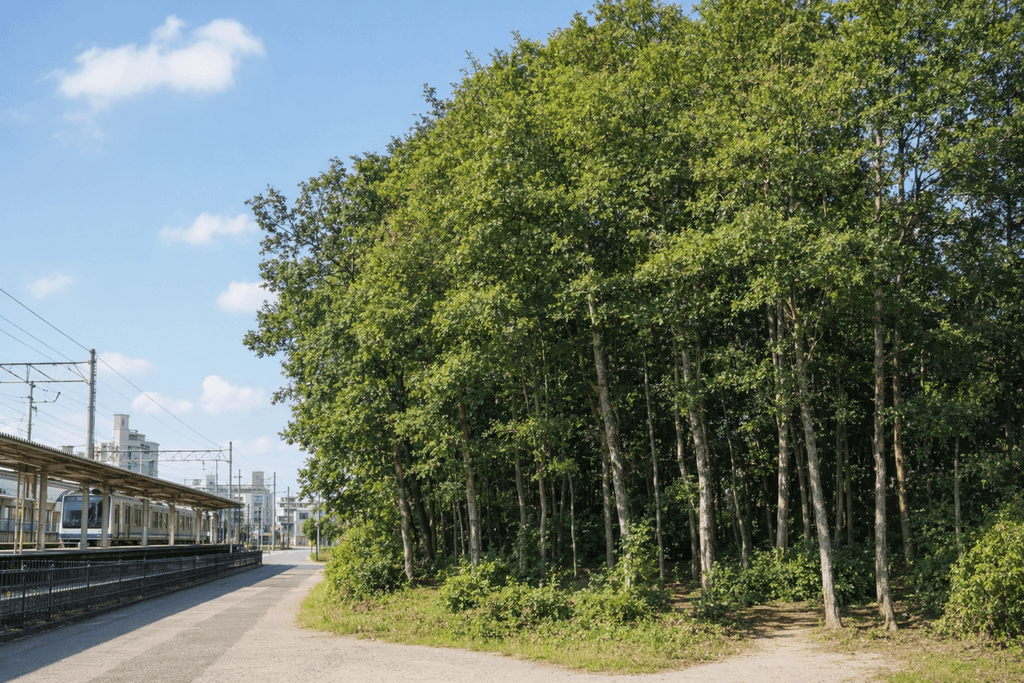
林
කුඩා කැලය
林
කුඩා කැලය
Explanation
林
කුඩා කැලය
林
වනාන්තරය / වනාන්තර ප්රදේශය / ගස් වනාන්තරය
( romanization )
( hiragana )
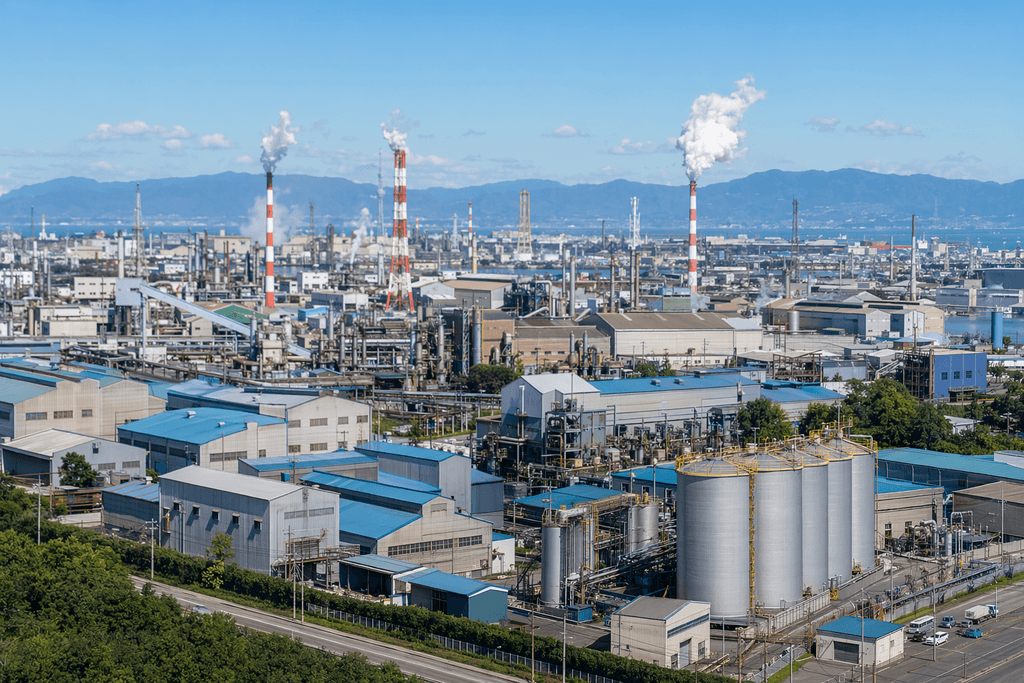
工業
නිෂ්පාදන කර්මාන්තය
工業
නිෂ්පාදන කර්මාන්තය
Explanation
工業
නිෂ්පාදන කර්මාන්තය
工業
කර්මාන්තය / කර්මාන්ත ක්ෂේත්රය
( Base form )
( romanization )
( hiragana )
変わる
වෙනස් වෙනවා
変わる
වෙනස් වෙනවා
Explanation
変わる
වෙනස් වෙනවා
変わる
වෙනස් වීම / වෙනත් ලෙසට පත්වීම / පරිවර්තනය වීම

Word Forms
The basic and commonly used forms of this verb.
Basic forms
| Form | Word form | Usage |
|---|---|---|
| Imperfective form (mizenkei) |
Alternative:
変わろ
|
Connects to endings such as nai, reru, and seru. |
| Continuative form (renyokei) | Connects to endings such as masu, tai, and ta. | |
| Conclusive form (shushikei) | Ends a sentence and serves as the dictionary form. | |
| Attributive form (rentaikei) | Modifies a noun. | |
| Conditional form (kateikei) | Combines with ba to express a condition. | |
| Imperative form (meireikei) | Expresses a command or instruction. |
Common forms
社長
සමාගමේ සභාපති
社長
සමාගමේ සභාපති
Explanation
社長
සමාගමේ සභාපති
社長
සමාගම් සභාපති / සමාගමේ අධිපති / සමාගම් ප්රධානියා

( Base form )
( romanization )
( romanization )
( hiragana historical )
( hiragana )
下がる
පහත වැටෙනවා
下がる
පහත වැටෙනවා
Explanation
下がる
පහත වැටෙනවා
下がる
(පහළට) එල්ලී තිබීම / පහළට වැටීම / අඩුවීම / පසුබැසීම / ඉවත්වීම

Word Forms
The basic and commonly used forms of this verb.
Basic forms
| Form | Word form | Usage |
|---|---|---|
| Imperfective form (mizenkei) | Connects to endings such as nai, reru, and seru. | |
| Continuative form (renyokei) |
Alternative:
下がっ
|
Connects to endings such as masu, tai, and ta. |
| Conclusive form (shushikei) | Ends a sentence and serves as the dictionary form. | |
| Attributive form (rentaikei) | Modifies a noun. | |
| Conditional form (kateikei) | Combines with ba to express a condition. | |
| Imperative form (meireikei) | Expresses a command or instruction. |
Common forms
紹介
හඳුන්වා දීම
紹介
හඳුන්වා දීම
Explanation
紹介
හඳුන්වා දීම
紹介
හැඳින්වීම / හඳුන්වාදීම / නිර්දේශය

( Base form )
( romanization )
( hiragana )
Loading...

JLPT N4 多言語単語帳・631語 / JLPT N4 Multilingual Vocabulary: 631 Words

Jonathan Waller 氏の JLPT Resources の語彙リスト・レベル分類を出典とし、CC BY の条件に従って DiQt が初級向けに意味を作り直した631語の単語帳です。JLPT公式の語彙リストではありません。
This collection of 631 words is based on the vocabulary list and level classifications in Jonathan Waller’s JLPT Resources under CC BY, with meanings rewritten by DiQt for beginners. It is not an official JLPT vocabulary list.
Key Operations
Select the first quiz:
Ctrl + Enter
View Explanation:Ctrl + G
Close a feedback:Esc
When selecting a quiz
Answer:Enter
Select a choice:↓ or ↑
Reading out the question:Ctrl + K
View Hint: Ctrl + M
I don't know: Ctrl + Y



