
JLPT N2: Kahulugan ng mga salita - Unsolved

Alamin ang kahulugan ng 1790 salita sa JLPT N2 sa Filipino sa pamamagitan ng mga tanong na may apat na pagpipilian.
-
magtagal
-
manabik / humanga
-
maangkop / tumugma
-
pormal na aplikasyon
-
estilo ng pagsulat
-
bahaghari
-
nakapananabik balikan
-
mapalad / nakagagalak
-
mukhang bata
- 「柔らかい」とも書く。
- 命令形「軟らかかれ」は現代語では稀。
-
aktor
-
tagumpay / ambag na kapuri-puri
-
pagbisitang pang-aral
-
isalaysay / magpahiwatig
-
tawagin / manawagan sa
-
isuksok
-
mag-ingat
-
mabara / mapuno nang siksik
-
madurog / mabangkarote
- 五段活用(マ行)。「て」「た」では撥音便により「引っ込んで」「引っ込んだ」となる。
-
bandana
-
lente
-
paghahanda ng pagkain
-
painitin
-
magkalat
-
umukit
-
biyaheng pangtrabaho
-
pagpapakita ng kakayahan
-
pagpapalawak
-
hanay ng mga isla
-
industriya ng pangingisda
-
pagbubukas sa trapiko
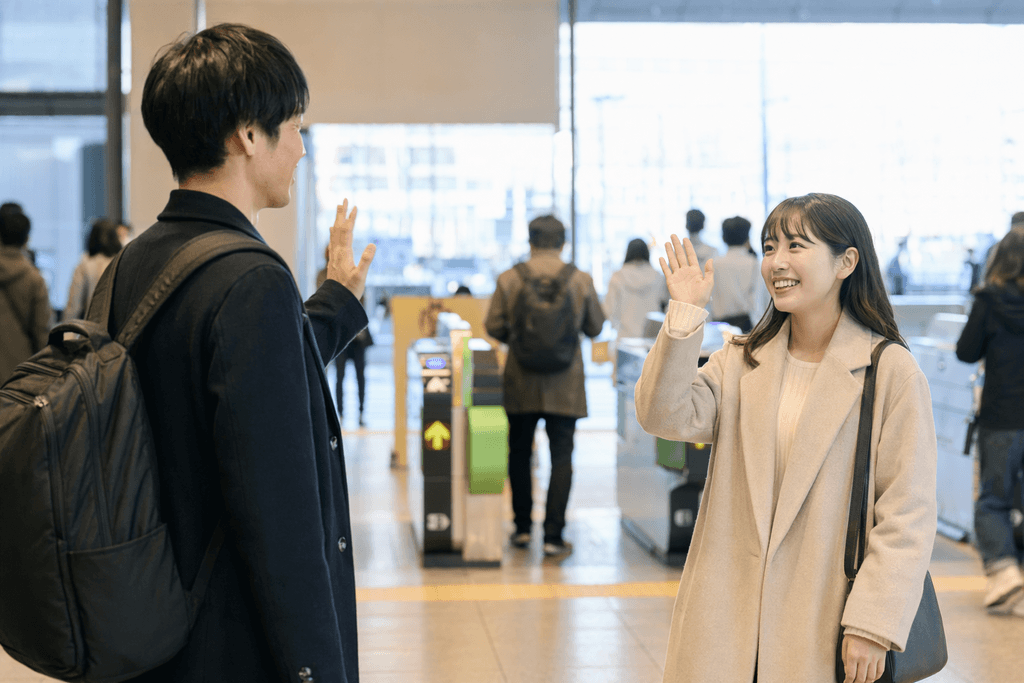
待ち合わせる
magkita sa napagkasunduan
待ち合わせる
magkita sa napagkasunduan
Explanation
待ち合わせる
magkita sa napagkasunduan
待ち合わせる
magtipan / magtakda ng pagkikita / magkasundong magkita
Word Forms
The basic and commonly used forms of this verb.
Basic forms
| Form | Word form | Usage |
|---|---|---|
| Imperfective form (mizenkei) | Connects to endings such as nai, reru, and seru. | |
| Continuative form (renyokei) | Connects to endings such as masu, tai, and ta. | |
| Conclusive form (shushikei) | Ends a sentence and serves as the dictionary form. | |
| Attributive form (rentaikei) | Modifies a noun. | |
| Conditional form (kateikei) | Combines with ba to express a condition. | |
| Imperative form (meireikei) |
Alternative:
待ち合わせよ
|
Expresses a command or instruction. |
Common forms
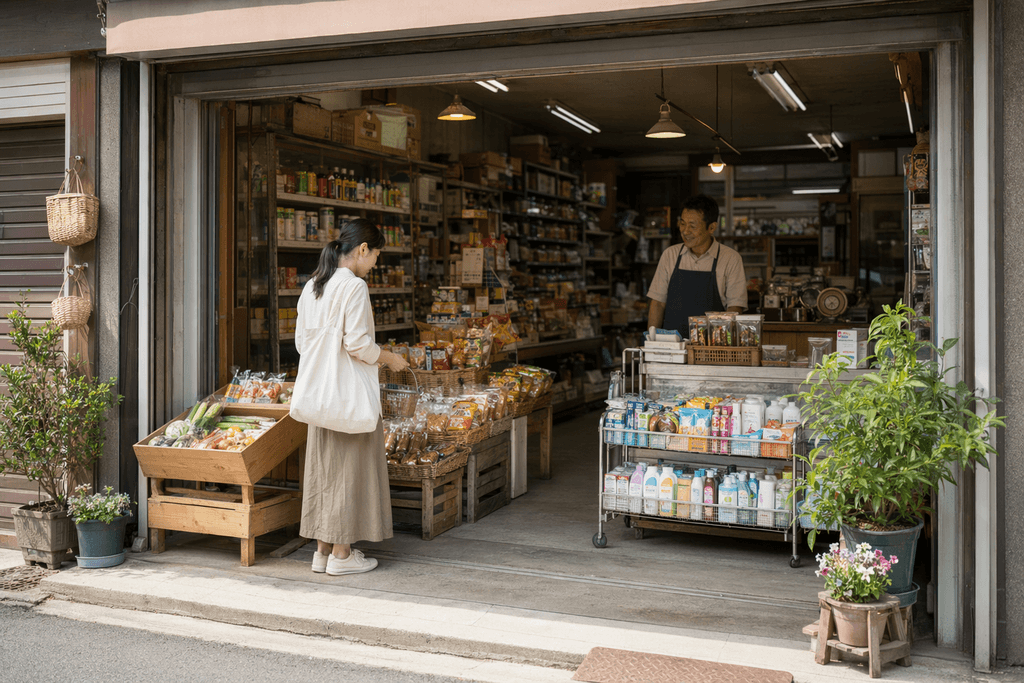
商店
tindahan
商店
tindahan
Explanation
商店
tindahan
商店
tindahan / tindahang tingi / bilihan
( Base form )
( romanization )
( hiragana )
軟らかい
malambot
軟らかい
malambot
Explanation
軟らかい
malambot
軟らかい
malambot / nababaluktot / luyloy

Word Forms
The basic and commonly used forms of this adjective.
Basic forms
| Form | Word form | Usage |
|---|---|---|
| Imperfective form (mizenkei) |
Alternative:
やわらかかろ
|
Used in forms such as karou; mainly literary. |
| Continuative form (renyokei) |
Alternative:
やわらかく
軟らかかっ
やわらかかっ
|
Used in forms such as kute and kunai. |
| Conclusive form (shushikei) |
Alternative:
やわらかい
|
Ends a sentence. |
| Attributive form (rentaikei) |
Alternative:
やわらかい
|
Modifies a noun. |
| Conditional form (kateikei) |
Alternative:
やわらかけれ
|
Expresses a condition with kereba. |
| Imperative form (meireikei) |
Alternative:
やわらかかれ
|
Rarely used in modern Japanese. |
Common forms
| Form | Word form | Usage |
|---|---|---|
| Te-form |
Alternative:
やわらかくて
|
Connects clauses with kute. |
| Ta-form |
Alternative:
やわらかかった
|
Expresses the past with katta. |
| Nai-form |
Alternative:
やわらかくない
|
Expresses negation with kunai. |
| Ba-form |
Alternative:
やわらかければ
|
Expresses a condition with kereba. |
Notes
栓
pantakip / balbula
栓
pantakip / balbula
Explanation
栓
pantakip / balbula
栓
pasak / takip na isinasaksak (hal. sa bote) / tapón

( romanization )
( hiragana )
透き通る
maging malinaw
透き通る
maging malinaw
Explanation
透き通る
maging malinaw
透き通る
maging maaninag / maging malinaw na nakikita ang kabila / magmistulang salamin

Word Forms
The basic and commonly used forms of this verb.
Basic forms
| Form | Word form | Usage |
|---|---|---|
| Imperfective form (mizenkei) |
Alternative:
透き通ろ
|
Connects to endings such as nai, reru, and seru. |
| Continuative form (renyokei) | Connects to endings such as masu, tai, and ta. | |
| Conclusive form (shushikei) | Ends a sentence and serves as the dictionary form. | |
| Attributive form (rentaikei) | Modifies a noun. | |
| Conditional form (kateikei) | Combines with ba to express a condition. | |
| Imperative form (meireikei) | Expresses a command or instruction. |
Common forms
引っ込む
umurong / lumubog paloob
引っ込む
umurong / lumubog paloob
Explanation
引っ込む
umurong / lumubog paloob
引っ込む
magretiro / umatras / humupa o lumubog (paloob)

Word Forms
The basic and commonly used forms of this verb.
Basic forms
| Form | Word form | Usage |
|---|---|---|
| Imperfective form (mizenkei) |
Alternative:
引っ込も
|
Connects to endings such as nai, reru, and seru. |
| Continuative form (renyokei) | Connects to endings such as masu, tai, and ta. | |
| Conclusive form (shushikei) | Ends a sentence and serves as the dictionary form. | |
| Attributive form (rentaikei) | Modifies a noun. | |
| Conditional form (kateikei) | Combines with ba to express a condition. | |
| Imperative form (meireikei) | Expresses a command or instruction. |
Common forms
| Form | Word form | Usage |
|---|---|---|
| Te-form | Connects clauses with te. | |
| Ta-form | Expresses the past with ta. | |
| Nai-form | Expresses negation with nai. | |
| Masu-form | Used for polite speech. | |
| Ba-form | Expresses a condition with ba. | |
| Volitional form | Expresses intention or invitation. |
Notes
分類
pag-uuri
分類
pag-uuri
Explanation
分類
pag-uuri
分類
pag-uuri / pagkakategorya / pagpapangkat ayon sa uri

( Base form )
( romanization )
( hiragana )
話しかける
kausapin
話しかける
kausapin
Explanation
話しかける
kausapin
話しかける
kausapin / magsalita sa / mag-umpisang makipag-usap

Word Forms
The basic and commonly used forms of this verb.
Basic forms
| Form | Word form | Usage |
|---|---|---|
| Imperfective form (mizenkei) |
Alternative:
話し掛け
|
Connects to endings such as nai, reru, and seru. |
| Continuative form (renyokei) |
Alternative:
話し掛け
|
Connects to endings such as masu, tai, and ta. |
| Conclusive form (shushikei) |
Alternative:
話し掛ける
|
Ends a sentence and serves as the dictionary form. |
| Attributive form (rentaikei) |
Alternative:
話し掛ける
|
Modifies a noun. |
| Conditional form (kateikei) |
Alternative:
話し掛けれ
|
Combines with ba to express a condition. |
| Imperative form (meireikei) |
Alternative:
話し掛けろ
話しかけよ
話し掛けよ
|
Expresses a command or instruction. |
Common forms
| Form | Word form | Usage |
|---|---|---|
| Te-form |
Alternative:
話し掛けて
|
Connects clauses with te. |
| Ta-form |
Alternative:
話し掛けた
|
Expresses the past with ta. |
| Nai-form |
Alternative:
話し掛けない
|
Expresses negation with nai. |
| Masu-form |
Alternative:
話し掛けます
|
Used for polite speech. |
| Ba-form |
Alternative:
話し掛ければ
|
Expresses a condition with ba. |
| Volitional form |
Alternative:
話し掛けよう
|
Expresses intention or invitation. |
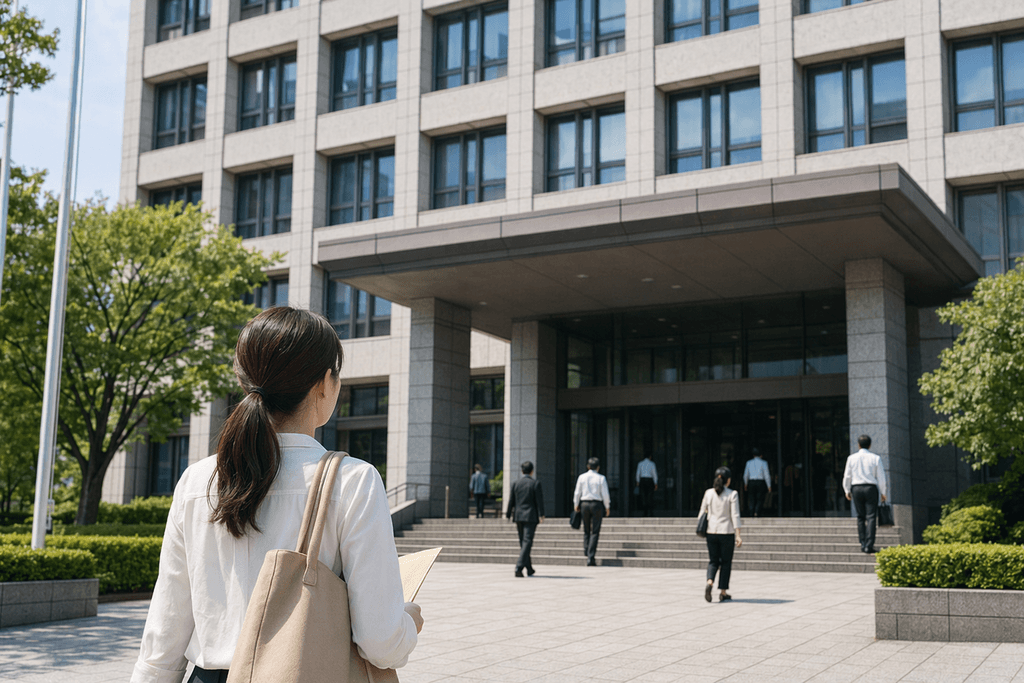
官庁
ahensiya ng pamahalaan
官庁
ahensiya ng pamahalaan
Explanation
官庁
ahensiya ng pamahalaan
官庁
tanggapan ng pamahalaan / opisina ng gobyerno / ahensiyang pampamahalaan
( Base form )
( romanization )
( romanization )
( kyūjitai )
( hiragana historical )
( hiragana )
来日
pagbisita sa Japan
来日
pagbisita sa Japan
Explanation
来日
pagbisita sa Japan
来日
pagdating ng dayuhan sa Japan / pagpunta ng banyaga sa Japan

( Base form )
( romanization )
( kyūjitai )
( hiragana )
Loading...

JLPT N2 多言語単語帳・1790語 / JLPT N2 Multilingual Vocabulary: 1790 Words

Jonathan Waller 氏の JLPT Resources の語彙リスト・レベル分類を出典とし、CC BY の条件に従って DiQt が学習者向けに意味を作り直した1790語の単語帳です。JLPT公式の語彙リストではありません。
This collection of 1790 words is based on the vocabulary list and level classifications in Jonathan Waller’s JLPT Resources under CC BY, with meanings rewritten by DiQt for learners. It is not an official JLPT vocabulary list.
Key Operations
Select the first quiz:
Ctrl + Enter
View Explanation:Ctrl + G
Close a feedback:Esc
When selecting a quiz
Answer:Enter
Select a choice:↓ or ↑
Reading out the question:Ctrl + K
View Hint: Ctrl + M
I don't know: Ctrl + Y



