
JLPT N5: Trắc nghiệm nghĩa từ - Unsolved

Học nghĩa tiếng Việt của 665 từ JLPT N5 qua các câu hỏi có bốn lựa chọn.
-
viết
-
chụp ảnh
-
mặc áo
- 存在を表す「ある」は五段ラ行活用だが、現代標準語の否定は通常「ない」を用いる。
- 「あらない」は通常の現代語ではまれ。
-
màu đỏ
-
mỏng / nhạt
-
nhiều
-
thịt
-
từ ngữ / ngôn ngữ
-
tắm bồn
-
rẽ / cong
-
mở
-
đến nơi
-
rẽ / cong
-
rửa
-
che ô
-
buổi học
-
bút chì
-
bàn học
-
thức ăn
-
nhà
-
trứng
-
quần áo
-
tuyết
-
đồ ăn vặt
-
màu sắc
-
chìa khóa
-
nhiều người
-
cảnh sát
-
cửa hàng bách hóa
-
hành lý
ある
có / sở hữu
ある
có / sở hữu
Explanation
có / sở hữu
ある
tồn tại (vật vô tri) / có; hiện diện (đồ vật) / ở; nằm (đồ vật)

Word Forms
The basic and commonly used forms of this verb.
Basic forms
| Form | Word form | Usage |
|---|---|---|
| Imperfective form (mizenkei) |
Alternative:
あろ
|
Connects to endings such as nai, reru, and seru. |
| Continuative form (renyokei) | Connects to endings such as masu, tai, and ta. | |
| Conclusive form (shushikei) | Ends a sentence and serves as the dictionary form. | |
| Attributive form (rentaikei) | Modifies a noun. | |
| Conditional form (kateikei) | Combines with ba to express a condition. | |
| Imperative form (meireikei) | Expresses a command or instruction. |
Common forms
| Form | Word form | Usage |
|---|---|---|
| Te-form | Connects clauses with te. | |
| Ta-form | Expresses the past with ta. | |
| Nai-form |
Alternative:
あらない
|
Expresses negation with nai. |
| Masu-form | Used for polite speech. | |
| Ba-form | Expresses a condition with ba. | |
| Volitional form | Expresses intention or invitation. |
Notes
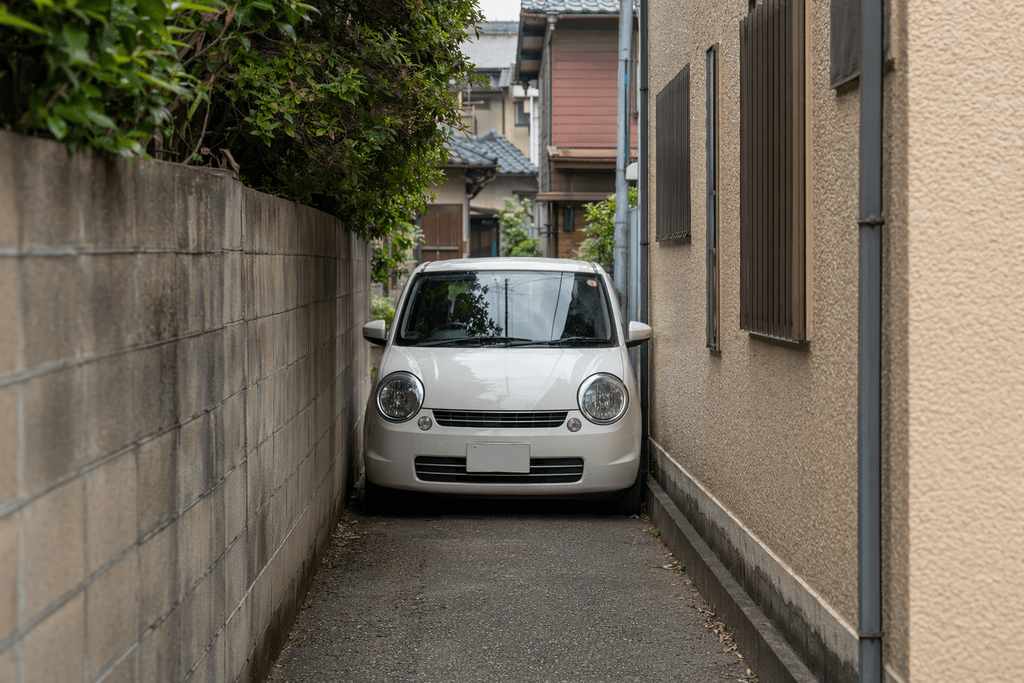
狭い
hẹp
狭い
hẹp
Explanation
狭い
hẹp
狭い
hẹp / chật / nhỏ (về không gian)
Word Forms
The basic and commonly used forms of this adjective.
Basic forms
| Form | Word form | Usage |
|---|---|---|
| Imperfective form (mizenkei) | Used in forms such as karou; mainly literary. | |
| Continuative form (renyokei) |
Alternative:
狭かっ
|
Used in forms such as kute and kunai. |
| Conclusive form (shushikei) | Ends a sentence. | |
| Attributive form (rentaikei) | Modifies a noun. | |
| Conditional form (kateikei) | Expresses a condition with kereba. | |
| Imperative form (meireikei) | Rarely used in modern Japanese. |
Common forms
昨日
hôm qua
昨日
hôm qua
Explanation
昨日
hôm qua
昨日
hôm qua / ngày hôm qua

( romanization )
( romanization )
( hiragana historical )
( hiragana )
読む
đọc
読む
đọc
Explanation
読む
đọc
読む
đọc (sách, chữ, văn bản) / đọc to; ngâm đọc / đọc (dữ liệu/tín hiệu), giải mã

Word Forms
The basic and commonly used forms of this verb.
Basic forms
| Form | Word form | Usage |
|---|---|---|
| Imperfective form (mizenkei) |
Alternative:
読も
|
Connects to endings such as nai, reru, and seru. |
| Continuative form (renyokei) | Connects to endings such as masu, tai, and ta. | |
| Conclusive form (shushikei) | Ends a sentence and serves as the dictionary form. | |
| Attributive form (rentaikei) | Modifies a noun. | |
| Conditional form (kateikei) | Combines with ba to express a condition. | |
| Imperative form (meireikei) | Expresses a command or instruction. |
Common forms
教える
dạy / cho biết
教える
dạy / cho biết
Explanation
教える
dạy / cho biết
教える
dạy / chỉ bảo / cho biết

Word Forms
The basic and commonly used forms of this verb.
Basic forms
| Form | Word form | Usage |
|---|---|---|
| Imperfective form (mizenkei) | Connects to endings such as nai, reru, and seru. | |
| Continuative form (renyokei) | Connects to endings such as masu, tai, and ta. | |
| Conclusive form (shushikei) | Ends a sentence and serves as the dictionary form. | |
| Attributive form (rentaikei) | Modifies a noun. | |
| Conditional form (kateikei) | Combines with ba to express a condition. | |
| Imperative form (meireikei) |
Alternative:
教えよ
|
Expresses a command or instruction. |
Common forms
再来年
năm sau nữa
再来年
năm sau nữa
Explanation
再来年
năm sau nữa
再来年
năm sau nữa / năm tới nữa

( romanization )
六つ
sáu
六つ
sáu
Explanation
六つ
sáu
六つ
sáu (đếm đồ vật nhỏ) / sáu cái

( Base form )
( romanization )
外
bên ngoài
外
bên ngoài
Explanation
外
bên ngoài
外
bên ngoài / phía ngoài / phần ngoài

( romanization )
( hiragana )
シャワー
vòi sen
シャワー
vòi sen
Explanation
vòi sen
シャワー
vòi sen / tắm vòi sen

( romanization )
鍵
chìa khóa
鍵
chìa khóa
Explanation
鍵
chìa khóa
鍵
chìa khóa (để mở khóa) / điều then chốt; mấu chốt / khóa (mã hóa)

( romanization )
( hiragana )
Loading...

JLPT N5 多言語単語帳・665語 / JLPT N5 Multilingual Vocabulary: 665 Words

Jonathan Waller 氏の JLPT Resources の語彙リスト・レベル分類を出典とし、CC BY の条件に従って DiQt が初級向けに意味を作り直した665語の単語帳です。JLPT公式の語彙リストではありません。
This collection of 665 words is based on the vocabulary list and level classifications in Jonathan Waller’s JLPT Resources under CC BY, with meanings rewritten by DiQt for beginners. It is not an official JLPT vocabulary list.
Key Operations
Select the first quiz:
Ctrl + Enter
View Explanation:Ctrl + G
Close a feedback:Esc
When selecting a quiz
Answer:Enter
Select a choice:↓ or ↑
Reading out the question:Ctrl + K
View Hint: Ctrl + M
I don't know: Ctrl + Y



