
JLPT N5: Trắc nghiệm nghĩa từ - Unsolved

Học nghĩa tiếng Việt của 665 từ JLPT N5 qua các câu hỏi có bốn lựa chọn.
-
khởi đầu
-
giày
-
thang máy
-
khăn tay
-
năm
-
báo
-
hoa
-
phía đông
-
vấn đề / câu hỏi
-
người
-
áo khoác
-
thức ăn
-
màu xanh lam
-
cơm / bữa ăn
-
số hiệu
-
ở đó
-
phía đó
-
cái đó
-
dài
-
to
-
thú vị / buồn cười
-
thắt / siết chặt
-
đóng
-
băng qua
-
bài hát
-
công ty
-
màu nâu
-
băng qua
-
bay
-
lấy
風邪
cảm lạnh
風邪
cảm lạnh
Explanation
風邪
cảm lạnh
風邪
cảm lạnh / bệnh cảm / cảm mạo

( Base form )
( romanization )
( hiragana )
マッチ
diêm
マッチ
diêm
Explanation
diêm
マッチ
diêm; que diêm / dụng cụ nhỏ để tạo lửa khi quẹt

( romanization )
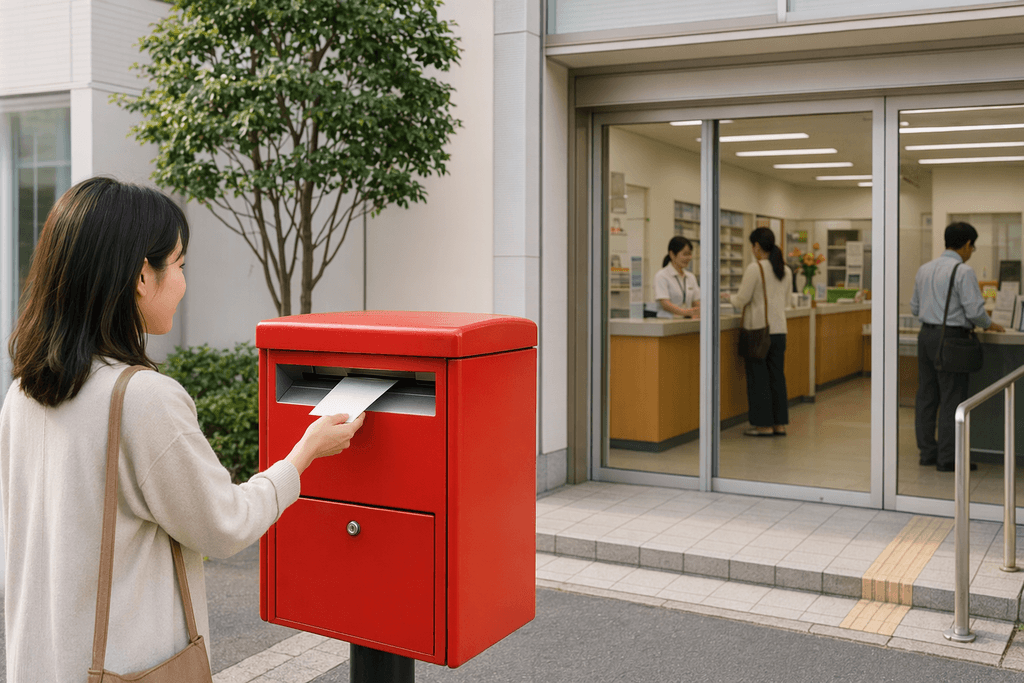
郵便局
bưu điện
郵便局
bưu điện
Explanation
郵便局
bưu điện
郵便局
bưu điện / bưu cục / văn phòng bưu chính
( Base form )
( romanization )
( romanization )
( hiragana historical )
( hiragana )
靴下
tất
靴下
tất
Explanation
靴下
tất
靴下
tất / vớ / bít tất

( Base form )
( romanization )
( hiragana )
奥さん
vợ
奥さん
vợ
Explanation
奥さん
vợ
奥さん
vợ (kính ngữ, của người khác) / phụ nữ đã kết hôn / phu nhân

( Base form )
( romanization )
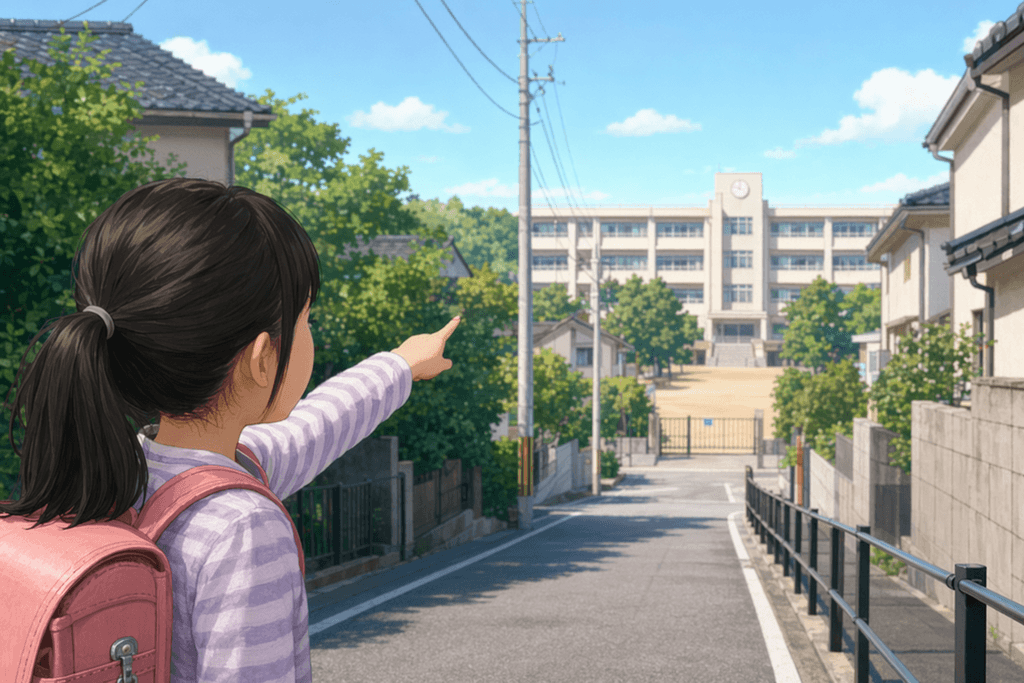
あそこ
đằng kia
あそこ
đằng kia
Explanation
đằng kia
あそこ
đằng kia / chỗ kia / nơi đó
( romanization )
暗い
tối
暗い
tối
Explanation
暗い
tối
暗い
tối, thiếu ánh sáng / u ám, âm u / ảm đạm

Word Forms
The basic and commonly used forms of this adjective.
Basic forms
| Form | Word form | Usage |
|---|---|---|
| Imperfective form (mizenkei) | Used in forms such as karou; mainly literary. | |
| Continuative form (renyokei) |
Alternative:
暗かっ
|
Used in forms such as kute and kunai. |
| Conclusive form (shushikei) | Ends a sentence. | |
| Attributive form (rentaikei) | Modifies a noun. | |
| Conditional form (kateikei) | Expresses a condition with kereba. | |
| Imperative form (meireikei) | Rarely used in modern Japanese. |
Common forms
取る
lấy
取る
lấy
Explanation
取る
lấy
取る
lấy, cầm / nhận/thu được; đạt, giành / gỡ bỏ, lấy đi

Word Forms
The basic and commonly used forms of this verb.
Basic forms
| Form | Word form | Usage |
|---|---|---|
| Imperfective form (mizenkei) |
Alternative:
取ろ
|
Connects to endings such as nai, reru, and seru. |
| Continuative form (renyokei) | Connects to endings such as masu, tai, and ta. | |
| Conclusive form (shushikei) | Ends a sentence and serves as the dictionary form. | |
| Attributive form (rentaikei) | Modifies a noun. | |
| Conditional form (kateikei) | Combines with ba to express a condition. | |
| Imperative form (meireikei) | Expresses a command or instruction. |
Common forms
ズボン
quần dài
ズボン
quần dài
Explanation
quần dài
ズボン
quần / quần dài

( romanization )
待つ
đợi
待つ
đợi
Explanation
待つ
đợi
待つ
chờ; đợi / chờ đợi (ai/cái gì)

Word Forms
The basic and commonly used forms of this verb.
Basic forms
| Form | Word form | Usage |
|---|---|---|
| Imperfective form (mizenkei) |
Alternative:
待と
|
Connects to endings such as nai, reru, and seru. |
| Continuative form (renyokei) | Connects to endings such as masu, tai, and ta. | |
| Conclusive form (shushikei) | Ends a sentence and serves as the dictionary form. | |
| Attributive form (rentaikei) | Modifies a noun. | |
| Conditional form (kateikei) | Combines with ba to express a condition. | |
| Imperative form (meireikei) | Expresses a command or instruction. |
Common forms
Loading...

JLPT N5 多言語単語帳・665語 / JLPT N5 Multilingual Vocabulary: 665 Words

Jonathan Waller 氏の JLPT Resources の語彙リスト・レベル分類を出典とし、CC BY の条件に従って DiQt が初級向けに意味を作り直した665語の単語帳です。JLPT公式の語彙リストではありません。
This collection of 665 words is based on the vocabulary list and level classifications in Jonathan Waller’s JLPT Resources under CC BY, with meanings rewritten by DiQt for beginners. It is not an official JLPT vocabulary list.
Key Operations
Select the first quiz:
Ctrl + Enter
View Explanation:Ctrl + G
Close a feedback:Esc
When selecting a quiz
Answer:Enter
Select a choice:↓ or ↑
Reading out the question:Ctrl + K
View Hint: Ctrl + M
I don't know: Ctrl + Y



