
JLPT N1 词义四选一 - Unsolved

通过四选一题目,用简体中文学习JLPT N1的3032个单词含义。
-
经营 / 举行
-
化为
-
进货
- 「演ずる」は現代語では「演じる」とも用いられるズル型のサ変動詞。
-
理想的
-
怕痒的
-
卑劣 / 艳俗
- 「下らない」は語末が「ない」だが、ここでは形容詞(イ形容詞)として扱う。
- 命令形「下らなかれ」は現代語では稀。
-
争论
-
位置
-
横截面
-
强制
-
当地
-
洗澡
-
符合
-
条款 / 章程
-
反对意见
-
统制
-
乳汁 / 乳房
-
名册
-
母校
-
认真
-
无知
-
慌乱
-
撒开 / 大把分发
-
从事
- 「もたらす」はサ行五段活用。漢字表記は一般に「齎す」だが、入力表記に従い「齎らす」も異表記として扱った。
-
筹划
-
势力 / 影响力
-
外交部长
-
统制
-
正比
-
情形
演ずる
扮演
演ずる
扮演
Explanation
演ずる
扮演
演ずる
表演;演出 / 扮演(角色)
Word Forms
The basic and commonly used forms of this verb.
Basic forms
| Form | Word form | Usage |
|---|---|---|
| Imperfective form (mizenkei) |
Alternative:
演ぜ
|
Connects to endings such as nai, reru, and seru. |
| Continuative form (renyokei) |
Alternative:
演ぜ
|
Connects to endings such as masu, tai, and ta. |
| Conclusive form (shushikei) |
Alternative:
演じる
|
Ends a sentence and serves as the dictionary form. |
| Attributive form (rentaikei) |
Alternative:
演じる
|
Modifies a noun. |
| Conditional form (kateikei) |
Alternative:
演じれ
|
Combines with ba to express a condition. |
| Imperative form (meireikei) |
Alternative:
演じよ
演ぜよ
|
Expresses a command or instruction. |
Common forms
| Form | Word form | Usage |
|---|---|---|
| Te-form |
Alternative:
演ぜて
|
Connects clauses with te. |
| Ta-form |
Alternative:
演ぜた
|
Expresses the past with ta. |
| Nai-form |
Alternative:
演ぜない
|
Expresses negation with nai. |
| Masu-form |
Alternative:
演ぜます
|
Used for polite speech. |
| Ba-form |
Alternative:
演じれば
|
Expresses a condition with ba. |
| Volitional form |
Alternative:
演ぜ
|
Expresses intention or invitation. |
Notes
下らない
无聊
下らない
无聊
Explanation
下らない
无聊
下らない
毫无意义的 / 无聊的 / 琐碎的

Word Forms
The basic and commonly used forms of this adjective.
Basic forms
| Form | Word form | Usage |
|---|---|---|
| Imperfective form (mizenkei) |
Alternative:
くだらなかろ
|
Used in forms such as karou; mainly literary. |
| Continuative form (renyokei) |
Alternative:
くだらなく
下らなかっ
くだらなかっ
|
Used in forms such as kute and kunai. |
| Conclusive form (shushikei) |
Alternative:
くだらない
|
Ends a sentence. |
| Attributive form (rentaikei) |
Alternative:
くだらない
|
Modifies a noun. |
| Conditional form (kateikei) |
Alternative:
くだらなけれ
|
Expresses a condition with kereba. |
| Imperative form (meireikei) |
Alternative:
くだらなかれ
|
Rarely used in modern Japanese. |
Common forms
| Form | Word form | Usage |
|---|---|---|
| Te-form |
Alternative:
くだらなくて
下らなくって
くだらなくって
|
Connects clauses with kute. |
| Ta-form |
Alternative:
くだらなかった
|
Expresses the past with katta. |
| Nai-form |
Alternative:
くだらなくない
|
Expresses negation with kunai. |
| Ba-form |
Alternative:
くだらなければ
下らなきゃ
くだらなきゃ
|
Expresses a condition with kereba. |
Notes
物資
物资
物資
物资
Explanation
物資
物资
物資
货物;物料 / 供应品;补给 / 资源(指生产或生活所需的物品)

( Base form )
( romanization )
( hiragana )
作用
作用 / 机能
作用
作用 / 机能
Explanation
作用
作用 / 机能
作用
影响;效应 / 功能;用途 / 运作;起作用的行为

( Base form )
( romanization )
( hiragana )
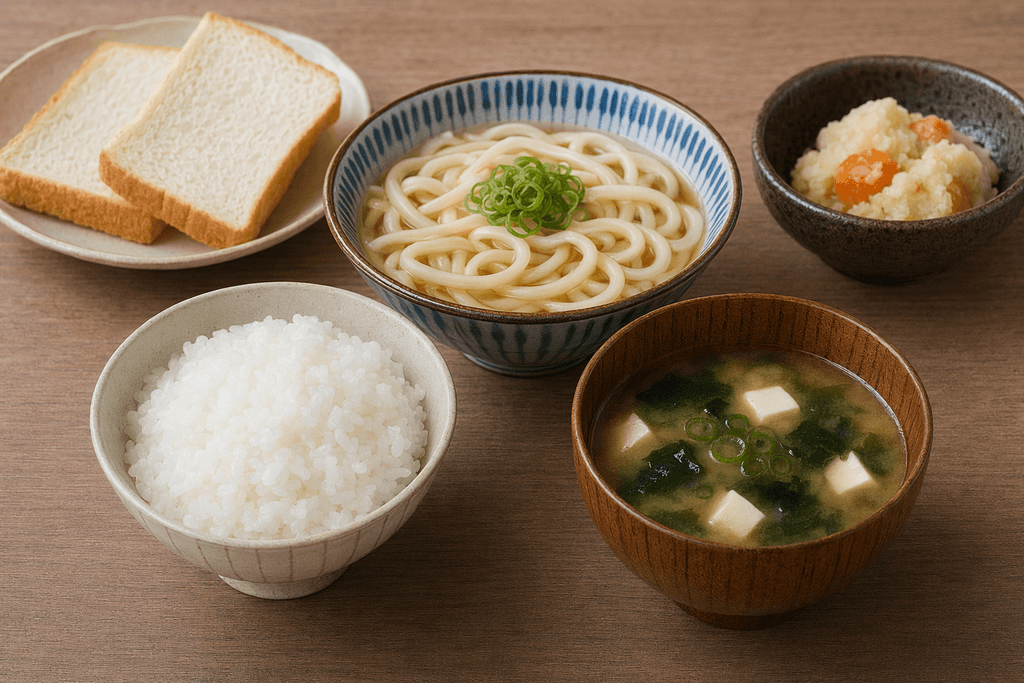
主食
主食
主食
主食
Explanation
主食
主食
主食
日常饮食中的主要食物 / 以谷物为主的主粮 / 一餐中的主要能量来源食物
( Base form )
( romanization )
( hiragana )
不動産
房地产
不動産
房地产
Explanation
不動産
房地产
不動産
不动产 / 房地产 / 不可移动的财产

( Base form )
( romanization )
( kyūjitai )
( hiragana )
粉末
粉末
粉末
粉末
Explanation
粉末
粉末
粉末
细小的粉状颗粒 / 粉状物质 / 磨成粉的材料

( Base form )
( romanization )
( hiragana )
もたらす
带来
もたらす
带来
Explanation
带来
もたらす
带来 / 导致 / 引发

Word Forms
The basic and commonly used forms of this verb.
Basic forms
| Form | Word form | Usage |
|---|---|---|
| Imperfective form (mizenkei) |
Alternative:
もたらそ
|
Connects to endings such as nai, reru, and seru. |
| Continuative form (renyokei) | Connects to endings such as masu, tai, and ta. | |
| Conclusive form (shushikei) |
Alternative:
齎す
齎らす
|
Ends a sentence and serves as the dictionary form. |
| Attributive form (rentaikei) |
Alternative:
齎す
齎らす
|
Modifies a noun. |
| Conditional form (kateikei) | Combines with ba to express a condition. | |
| Imperative form (meireikei) | Expresses a command or instruction. |
Common forms
| Form | Word form | Usage |
|---|---|---|
| Te-form |
Alternative:
齎して
齎らして
|
Connects clauses with te. |
| Ta-form |
Alternative:
齎した
齎らした
|
Expresses the past with ta. |
| Nai-form |
Alternative:
齎さない
齎らさない
|
Expresses negation with nai. |
| Masu-form |
Alternative:
齎します
齎らします
|
Used for polite speech. |
| Ba-form |
Alternative:
齎せば
齎らせば
|
Expresses a condition with ba. |
| Volitional form |
Alternative:
齎そう
齎らそう
|
Expresses intention or invitation. |
Notes
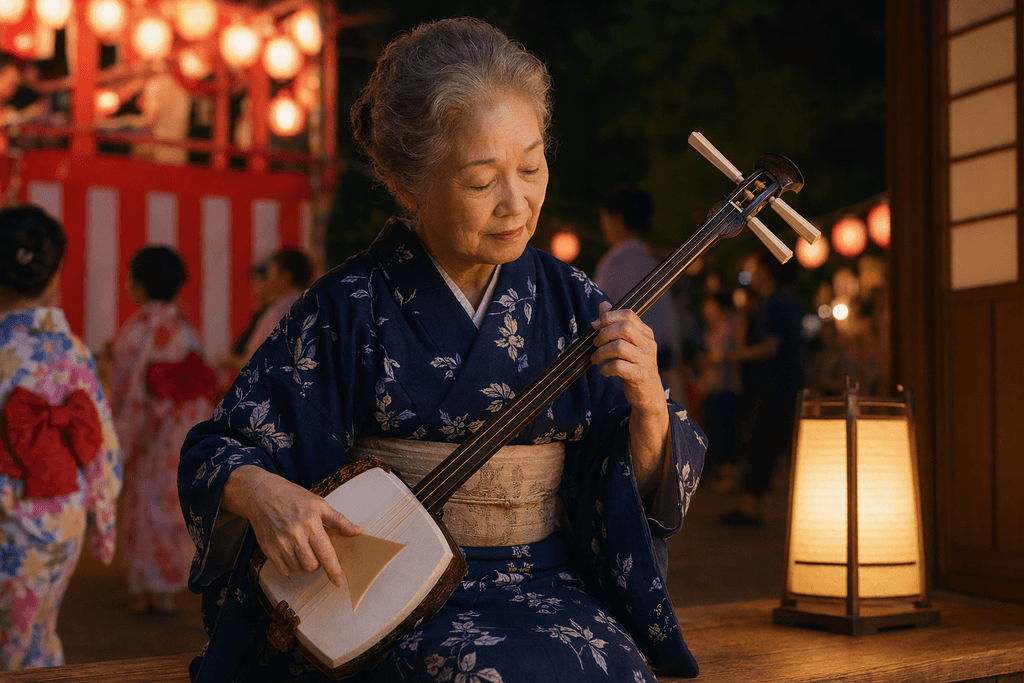
三味線
三味线
三味線
三味线
Explanation
三味線
三味线
三味線
日本传统的三弦拨弦乐器,用拨子演奏 / 类似班卓琴的日本弦乐器
( Base form )
( romanization )
( hiragana )
真上
正上方
真上
正上方
Explanation
真上
正上方
真上
正上方 / 正上面 / 头顶正上方

( Base form )
( romanization )
( romanization )
( hiragana historical )
( hiragana )
Loading...

JLPT N1 多言語単語帳・3032語 / JLPT N1 Multilingual Vocabulary: 3032 Words

Jonathan Waller 氏の JLPT Resources の語彙リスト・レベル分類を出典とし、CC BY の条件に従って DiQt が学習者向けに意味を作り直した3032語の単語帳です。JLPT公式の語彙リストではありません。
This collection of 3032 words is based on the vocabulary list and level classifications in Jonathan Waller’s JLPT Resources under CC BY, with meanings rewritten by DiQt for learners. It is not an official JLPT vocabulary list.
Key Operations
Select the first quiz:
Ctrl + Enter
View Explanation:Ctrl + G
Close a feedback:Esc
When selecting a quiz
Answer:Enter
Select a choice:↓ or ↑
Reading out the question:Ctrl + K
View Hint: Ctrl + M
I don't know: Ctrl + Y



