
JLPT N1 词义四选一 - Unsolved

通过四选一题目,用简体中文学习JLPT N1的3032个单词含义。
-
肺
-
收集
-
任务 / 课题
-
要点 / 分数
-
分配
-
元年
-
朝向 / 适合性
-
陶器
-
完成状态
-
地毯
-
鸡尾酒
-
决断
-
个子小
-
自动的
-
天生的 / 先天性的
- 「むちゃ」の強調的な異形として用いられる形容動詞(ナ形容詞)。
- 表記は「無茶苦茶」もある。
-
正比
-
君主
-
天灾
-
折磨
-
交换眼神 / 暂停
-
审判
-
私有
-
牙科
-
摸索
-
盲点
-
动摇 / 摇晃
-
钟声
-
上演
-
刀刃
-
专用
対応
应对 / 对应
対応
应对 / 对应
Explanation
対応
应对 / 对应
対応
对应关系 / 兼容性(计算机) / 应对;处理

( Base form )
( romanization )
( kyūjitai )
( hiragana )
発言
发言
発言
发言
Explanation
発言
发言
発言
发言 / 言论 / 讲话内容

( Base form )
( romanization )
( kyūjitai )
( hiragana )
黄金
黄金
黄金
黄金
Explanation
黄金
黄金
黄金
旧时指钱财、货币 / 旧时指金(金元素、金属) / 旧时指金色

( Base form )
( romanization )
( romanization )
( hiragana historical )
( hiragana )
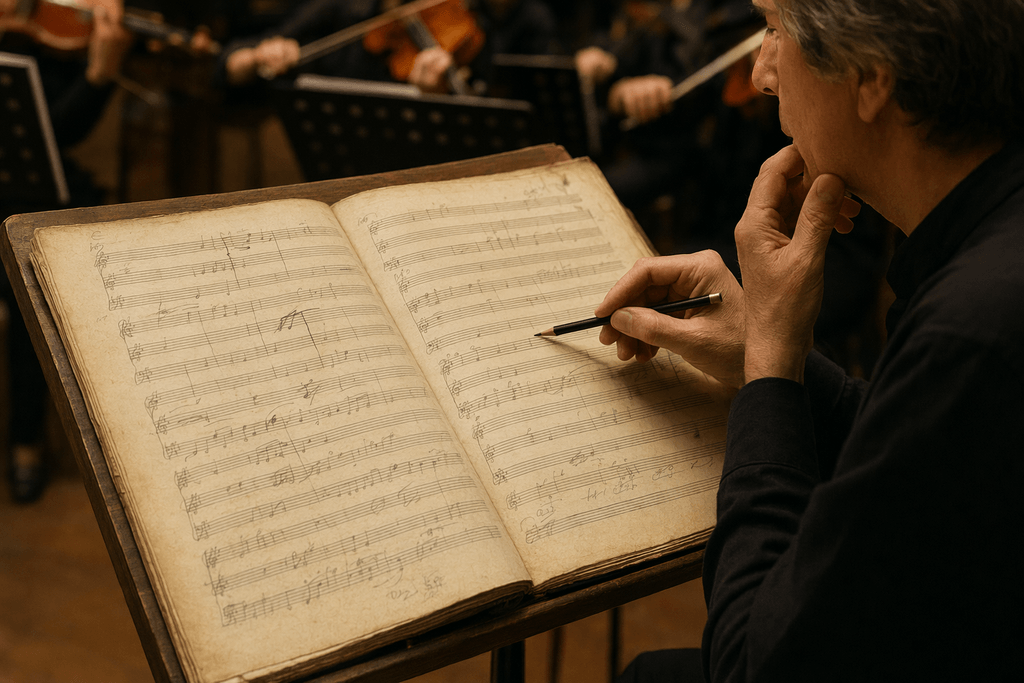
楽譜
乐谱
楽譜
乐谱
Explanation
楽譜
乐谱
楽譜
记录音乐的书面谱子 / 音乐作品的谱稿或手稿 / 乐曲的记谱文本
( Base form )
( romanization )
( kyūjitai )
( hiragana historical )
( hiragana )
むちゃくちゃ
乱七八糟的 / 荒唐的
むちゃくちゃ
乱七八糟的 / 荒唐的
Explanation
乱七八糟的 / 荒唐的
むちゃくちゃ
荒唐;离谱;不讲理 / 乱七八糟;混乱 / 非常;极其

Word Forms
The basic and commonly used forms of this adjectival noun.
Basic forms
| Form | Word form | Usage |
|---|---|---|
| Imperfective form (mizenkei) | Used in forms such as darou. | |
| Continuative form (renyokei) |
Alternative:
むちゃくちゃに
むちゃくちゃだった
|
Used with de or ni. |
| Conclusive form (shushikei) | Ends a sentence with da. | |
| Attributive form (rentaikei) | Modifies a noun with na. | |
| Conditional form (kateikei) |
Alternative:
むちゃくちゃであれば
|
Expresses a condition with nara. |
| Imperative form (meireikei) | Used in formal expressions such as de are. |
Common forms
| Form | Word form | Usage |
|---|---|---|
| Te-form equivalent | Connects clauses using de. | |
| Ta-form | Expresses the past with datta. | |
| Nai-form |
Alternative:
むちゃくちゃじゃない
|
Expresses negation with dewa nai or ja nai. |
| Desu-form | Used for polite speech. |
Notes
朗読
朗诵
朗読
朗诵
Explanation
朗読
朗诵
朗読
朗读 / 诵读 / 朗诵

( Base form )
( romanization )
( kyūjitai )
( hiragana )
着飾る
盛装打扮
着飾る
盛装打扮
Explanation
着飾る
盛装打扮
着飾る
盛装打扮 / 精心打扮 / 穿着华丽

Word Forms
The basic and commonly used forms of this verb.
Basic forms
| Form | Word form | Usage |
|---|---|---|
| Imperfective form (mizenkei) |
Alternative:
着飾ろ
|
Connects to endings such as nai, reru, and seru. |
| Continuative form (renyokei) | Connects to endings such as masu, tai, and ta. | |
| Conclusive form (shushikei) | Ends a sentence and serves as the dictionary form. | |
| Attributive form (rentaikei) | Modifies a noun. | |
| Conditional form (kateikei) | Combines with ba to express a condition. | |
| Imperative form (meireikei) | Expresses a command or instruction. |
Common forms
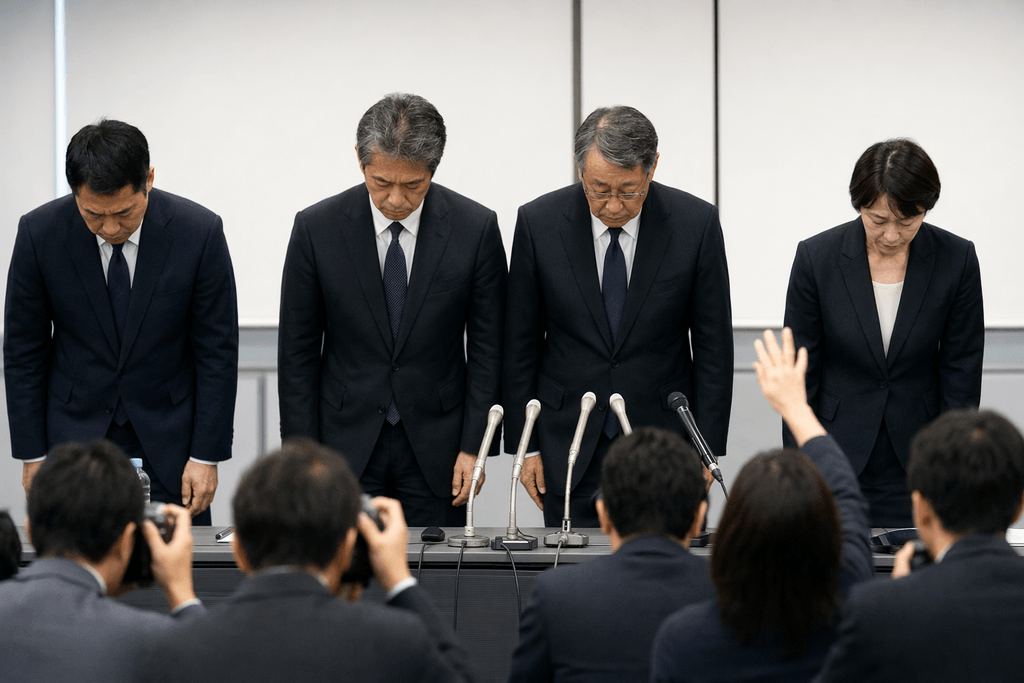
幹部
干部
幹部
干部
Explanation
幹部
干部
幹部
高层管理人员;高级职员 / 领导层成员;管理骨干 / 负责人;要员
( Base form )
( romanization )
( hiragana )
纏まり
凝聚性 / 达成一致
纏まり
凝聚性 / 达成一致
Explanation
纏まり
凝聚性 / 达成一致
纏まり
统一性;连贯性 / 整体性;凝聚力 / 解决;了结;定案

( Base form )
( romanization )
コーナー
角落 / 专区
コーナー
角落 / 专区
Explanation
角落 / 专区
コーナー
专区;栏目 / (棒球)好球带的边角 / (足球)角球;球门角

( romanization )
Loading...

JLPT N1 多言語単語帳・3032語 / JLPT N1 Multilingual Vocabulary: 3032 Words

Jonathan Waller 氏の JLPT Resources の語彙リスト・レベル分類を出典とし、CC BY の条件に従って DiQt が学習者向けに意味を作り直した3032語の単語帳です。JLPT公式の語彙リストではありません。
This collection of 3032 words is based on the vocabulary list and level classifications in Jonathan Waller’s JLPT Resources under CC BY, with meanings rewritten by DiQt for learners. It is not an official JLPT vocabulary list.
Key Operations
Select the first quiz:
Ctrl + Enter
View Explanation:Ctrl + G
Close a feedback:Esc
When selecting a quiz
Answer:Enter
Select a choice:↓ or ↑
Reading out the question:Ctrl + K
View Hint: Ctrl + M
I don't know: Ctrl + Y



