
JLPT N1 词义四选一 - Unsolved

通过四选一题目,用简体中文学习JLPT N1的3032个单词含义。
-
打入 / 埋头于
-
缓解
-
摆弄 / 擅自改动
-
异性
-
待遇
-
腌梅
-
陪伴 / 符合心愿
-
进展顺利
-
浸泡
-
富豪
-
变迁
-
捕获
-
百感交集
-
里外翻转
-
减轻
-
大胆
-
兼业
-
理解 / 同意
-
结实地
-
立刻 / 紧挨着
-
长长一排
-
偶然看到
-
凝固 / 巩固
-
叫住
- 五段活用の動詞。「舞うて」「舞うた」は古風・方言的な異形。
-
穿戴 / 吃
-
化为
-
朝向
-
混淆
-
捐赠
-
抽签
養う
抚养 / 培养
養う
抚养 / 培养
Explanation
養う
抚养 / 培养
養う
养育;抚养 / 供养;维持生计 / 培养;涵养

Word Forms
The basic and commonly used forms of this verb.
Basic forms
| Form | Word form | Usage |
|---|---|---|
| Imperfective form (mizenkei) |
Alternative:
養お
|
Connects to endings such as nai, reru, and seru. |
| Continuative form (renyokei) | Connects to endings such as masu, tai, and ta. | |
| Conclusive form (shushikei) | Ends a sentence and serves as the dictionary form. | |
| Attributive form (rentaikei) | Modifies a noun. | |
| Conditional form (kateikei) | Combines with ba to express a condition. | |
| Imperative form (meireikei) | Expresses a command or instruction. |
Common forms
工学
工程学
工学
工程学
Explanation
工学
工程学
工学
工程学 / 工科(工程类学科)

( Base form )
( romanization )
( hiragana )
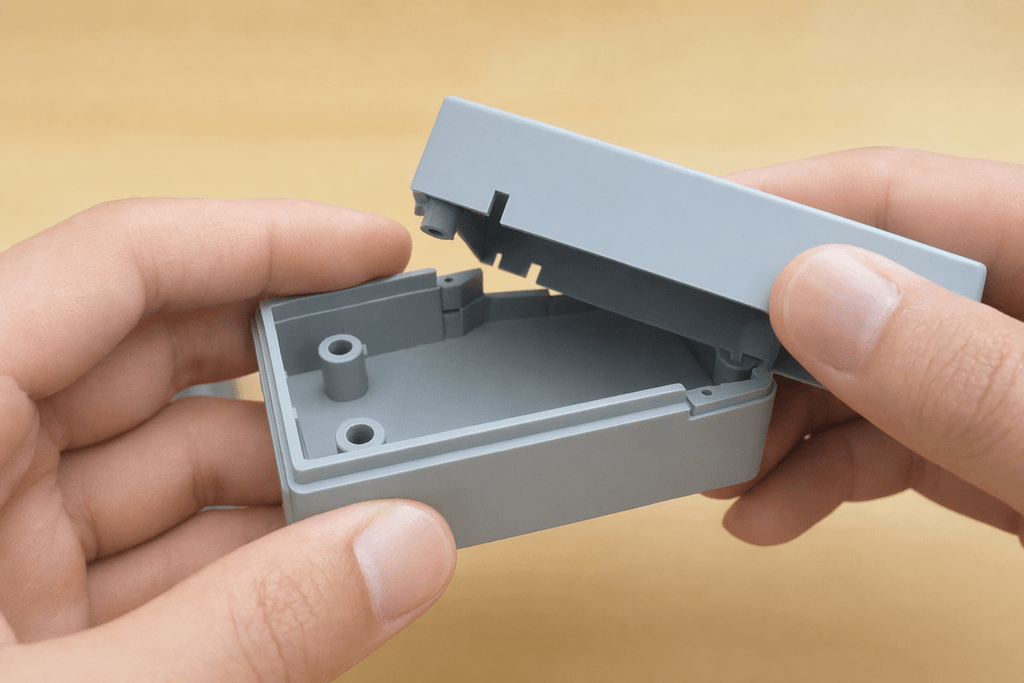
食い違う
冲突 / 不一致
食い違う
冲突 / 不一致
Explanation
食い違う
冲突 / 不一致
食い違う
不一致;不吻合 / 相冲突;相抵触 / 有分歧
Word Forms
The basic and commonly used forms of this verb.
Basic forms
| Form | Word form | Usage |
|---|---|---|
| Imperfective form (mizenkei) |
Alternative:
食い違お
|
Connects to endings such as nai, reru, and seru. |
| Continuative form (renyokei) | Connects to endings such as masu, tai, and ta. | |
| Conclusive form (shushikei) | Ends a sentence and serves as the dictionary form. | |
| Attributive form (rentaikei) | Modifies a noun. | |
| Conditional form (kateikei) | Combines with ba to express a condition. | |
| Imperative form (meireikei) | Expresses a command or instruction. |
Common forms
インフォメーション
信息
インフォメーション
信息
Explanation
信息
インフォメーション
信息 / 资讯 / 问讯处

( romanization )
オレンジ
橙子 / 橙色
オレンジ
橙子 / 橙色
Explanation
橙子 / 橙色
オレンジ
橙子 / 橙色

( romanization )
不景気
经济萧条
不景気
经济萧条
Explanation
不景気
经济萧条
不景気
经济不景气 / 生意清淡 / 阴郁

( Base form )
( romanization )
( kyūjitai )
( hiragana )
先だって
前几天
先だって
前几天
Explanation
先だって
前几天
先だって
最近 / 日前 / 不久前

( Base form )
( romanization )
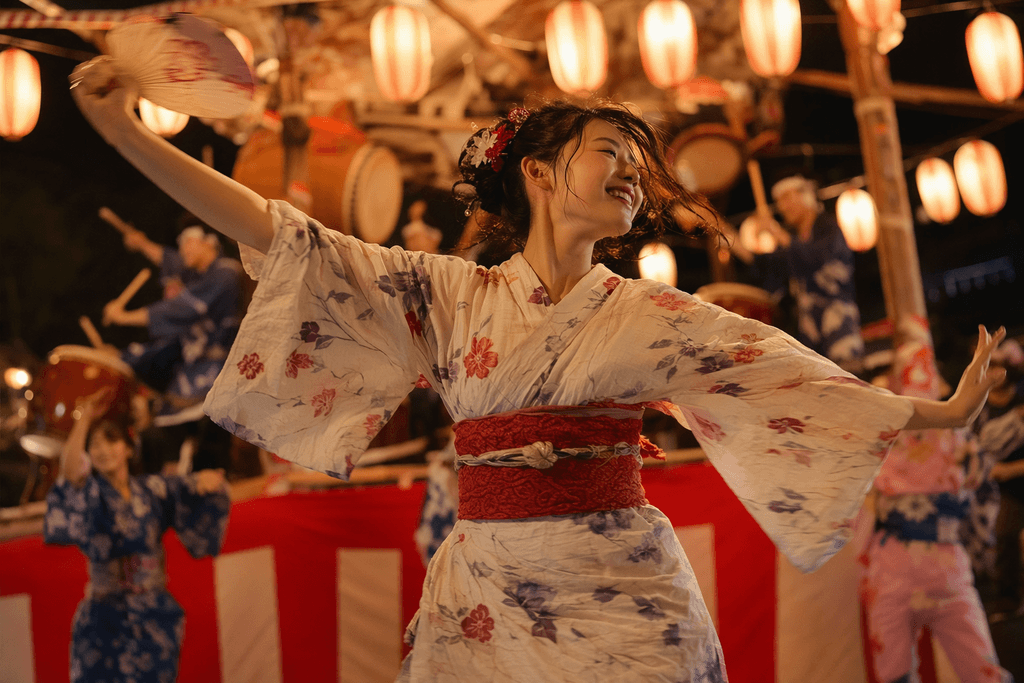
舞う
舞蹈 / 飞舞
舞う
舞蹈 / 飞舞
Explanation
舞う
舞蹈 / 飞舞
舞う
跳舞;起舞 / 旋转;盘旋 / (古)持续移动;不停地运动
Word Forms
The basic and commonly used forms of this verb.
Basic forms
| Form | Word form | Usage |
|---|---|---|
| Imperfective form (mizenkei) |
Alternative:
舞お
|
Connects to endings such as nai, reru, and seru. |
| Continuative form (renyokei) |
Alternative:
舞っ
|
Connects to endings such as masu, tai, and ta. |
| Conclusive form (shushikei) | Ends a sentence and serves as the dictionary form. | |
| Attributive form (rentaikei) | Modifies a noun. | |
| Conditional form (kateikei) | Combines with ba to express a condition. | |
| Imperative form (meireikei) | Expresses a command or instruction. |
Common forms
| Form | Word form | Usage |
|---|---|---|
| Te-form |
Alternative:
舞うて
|
Connects clauses with te. |
| Ta-form |
Alternative:
舞うた
|
Expresses the past with ta. |
| Nai-form | Expresses negation with nai. | |
| Masu-form | Used for polite speech. | |
| Ba-form | Expresses a condition with ba. | |
| Volitional form | Expresses intention or invitation. |
Notes
見せびらかす
炫耀
見せびらかす
炫耀
Explanation
見せびらかす
炫耀
見せびらかす
炫耀 / 卖弄 / 显摆

Word Forms
The basic and commonly used forms of this verb.
Basic forms
| Form | Word form | Usage |
|---|---|---|
| Imperfective form (mizenkei) |
Alternative:
見せびらかそ
|
Connects to endings such as nai, reru, and seru. |
| Continuative form (renyokei) | Connects to endings such as masu, tai, and ta. | |
| Conclusive form (shushikei) | Ends a sentence and serves as the dictionary form. | |
| Attributive form (rentaikei) | Modifies a noun. | |
| Conditional form (kateikei) | Combines with ba to express a condition. | |
| Imperative form (meireikei) | Expresses a command or instruction. |
Common forms
| Form | Word form | Usage |
|---|---|---|
| Te-form | Connects clauses with te. | |
| Ta-form | Expresses the past with ta. | |
| Nai-form | Expresses negation with nai. | |
| Masu-form | Used for polite speech. | |
| Ba-form | Expresses a condition with ba. | |
| Volitional form | Expresses intention or invitation. |
廃棄
废弃
廃棄
废弃
Explanation
廃棄
废弃
廃棄
丢弃;废弃 / 废止;作废;撤销

( Base form )
( romanization )
( kyūjitai )
( hiragana )
Loading...

JLPT N1 多言語単語帳・3032語 / JLPT N1 Multilingual Vocabulary: 3032 Words

Jonathan Waller 氏の JLPT Resources の語彙リスト・レベル分類を出典とし、CC BY の条件に従って DiQt が学習者向けに意味を作り直した3032語の単語帳です。JLPT公式の語彙リストではありません。
This collection of 3032 words is based on the vocabulary list and level classifications in Jonathan Waller’s JLPT Resources under CC BY, with meanings rewritten by DiQt for learners. It is not an official JLPT vocabulary list.
Key Operations
Select the first quiz:
Ctrl + Enter
View Explanation:Ctrl + G
Close a feedback:Esc
When selecting a quiz
Answer:Enter
Select a choice:↓ or ↑
Reading out the question:Ctrl + K
View Hint: Ctrl + M
I don't know: Ctrl + Y



