
JLPT N1 词义四选一 - Unsolved

通过四选一题目,用简体中文学习JLPT N1的3032个单词含义。
-
束手无策
-
黏性 / 毅力
-
从事
-
连成串
-
埋葬 / 抹去
-
跨坐 / 横跨
-
跌落 / 沦落
-
忙碌
-
班组
-
插花
-
设立 / 摆好架势
-
写给
- 「お出で」+格助詞「に」+動詞「なる」から成る尊敬表現。活用は末尾の「なる」(五段ラ行)に従う。
-
解除 / 解禁
-
浑身湿透
-
防卫
-
先前 / 在前面
-
始终
-
恐怕
-
接受
-
扔出去 / 半途而废
-
变得混乱
-
干燥的 / 不感情用事的
-
柔软的 / 灵活的
-
固有的 / 独有的
- 表記は「嫋か」とも書くが、一般にはかな表記「しなやか」が多い。
-
执着 / 执迷
-
友好关系
-
应急处理
-
保温壶 / 茶壶
-
左撇子
-
合成
味覚
味觉
味覚
味觉
Explanation
味覚
味觉
味覚
味觉 / 对味道的感知能力 / 品尝味道的感觉

( Base form )
( romanization )
( kyūjitai )
( hiragana )
あらたまる
更新 / 郑重其事
あらたまる
更新 / 郑重其事
Explanation
更新 / 郑重其事
あらたまる
被更新或改进 / 变得庄重或正式 / 恶化或濒临死亡

Word Forms
The basic and commonly used forms of this verb.
Basic forms
| Form | Word form | Usage |
|---|---|---|
| Imperfective form (mizenkei) |
Alternative:
あらたまろ
|
Connects to endings such as nai, reru, and seru. |
| Continuative form (renyokei) | Connects to endings such as masu, tai, and ta. | |
| Conclusive form (shushikei) | Ends a sentence and serves as the dictionary form. | |
| Attributive form (rentaikei) | Modifies a noun. | |
| Conditional form (kateikei) | Combines with ba to express a condition. | |
| Imperative form (meireikei) | Expresses a command or instruction. |
Common forms
余所見
东张西望
余所見
东张西望
Explanation
余所見
东张西望
余所見
看向别处 / 佯装看向别处 / 他人视角

( Base form )
( romanization )
( hiragana )
お出でになる
在场 / 来
お出でになる
在场 / 来
Explanation
お出でになる
在场 / 来
お出でになる
(敬语)来 / (敬语)去 / (敬语)在(在场)

Word Forms
The basic and commonly used forms of this verb.
Basic forms
| Form | Word form | Usage |
|---|---|---|
| Imperfective form (mizenkei) |
Alternative:
お出でになろ
|
Connects to endings such as nai, reru, and seru. |
| Continuative form (renyokei) |
Alternative:
お出でになっ
|
Connects to endings such as masu, tai, and ta. |
| Conclusive form (shushikei) | Ends a sentence and serves as the dictionary form. | |
| Attributive form (rentaikei) | Modifies a noun. | |
| Conditional form (kateikei) | Combines with ba to express a condition. | |
| Imperative form (meireikei) | Expresses a command or instruction. |
Common forms
| Form | Word form | Usage |
|---|---|---|
| Te-form | Connects clauses with te. | |
| Ta-form | Expresses the past with ta. | |
| Nai-form | Expresses negation with nai. | |
| Masu-form | Used for polite speech. | |
| Ba-form | Expresses a condition with ba. | |
| Volitional form | Expresses intention or invitation. |
Notes
ソース
调味汁 / 来源
ソース
调味汁 / 来源
Explanation
调味汁 / 来源
ソース
沙司;酱汁(液态调味品) / 伍斯特沙司

( romanization )
つとめて
尽可能
つとめて
尽可能
Explanation
尽可能
つとめて
尽量 / 尽可能地 / 尽力地

( romanization )
漕ぐ
划船 / 蹬踏板
漕ぐ
划船 / 蹬踏板
Explanation
漕ぐ
划船 / 蹬踏板
漕ぐ
划船 / 蹬自行车 / 荡秋千

Word Forms
The basic and commonly used forms of this verb.
Basic forms
| Form | Word form | Usage |
|---|---|---|
| Imperfective form (mizenkei) |
Alternative:
漕ご
|
Connects to endings such as nai, reru, and seru. |
| Continuative form (renyokei) | Connects to endings such as masu, tai, and ta. | |
| Conclusive form (shushikei) | Ends a sentence and serves as the dictionary form. | |
| Attributive form (rentaikei) | Modifies a noun. | |
| Conditional form (kateikei) | Combines with ba to express a condition. | |
| Imperative form (meireikei) | Expresses a command or instruction. |
Common forms
しなやか
柔韧的
しなやか
柔韧的
Explanation
柔韧的
しなやか
柔韧的 / 柔软有弹性的 / 动作优雅轻盈的

Word Forms
The basic and commonly used forms of this adjectival noun.
Basic forms
| Form | Word form | Usage |
|---|---|---|
| Imperfective form (mizenkei) | Used in forms such as darou. | |
| Continuative form (renyokei) |
Alternative:
しなやかに
|
Used with de or ni. |
| Conclusive form (shushikei) | Ends a sentence with da. | |
| Attributive form (rentaikei) | Modifies a noun with na. | |
| Conditional form (kateikei) | Expresses a condition with nara. | |
| Imperative form (meireikei) | Used in formal expressions such as de are. |
Common forms
| Form | Word form | Usage |
|---|---|---|
| Te-form equivalent | Connects clauses using de. | |
| Ta-form | Expresses the past with datta. | |
| Nai-form |
Alternative:
しなやかじゃない
|
Expresses negation with dewa nai or ja nai. |
| Desu-form | Used for polite speech. |
Notes
英雄
英雄
英雄
英雄
Explanation
英雄
英雄
英雄
勇敢且卓越的人 / 拯救他人或成就伟业者 / 杰出人物

( Base form )
( romanization )
( hiragana )
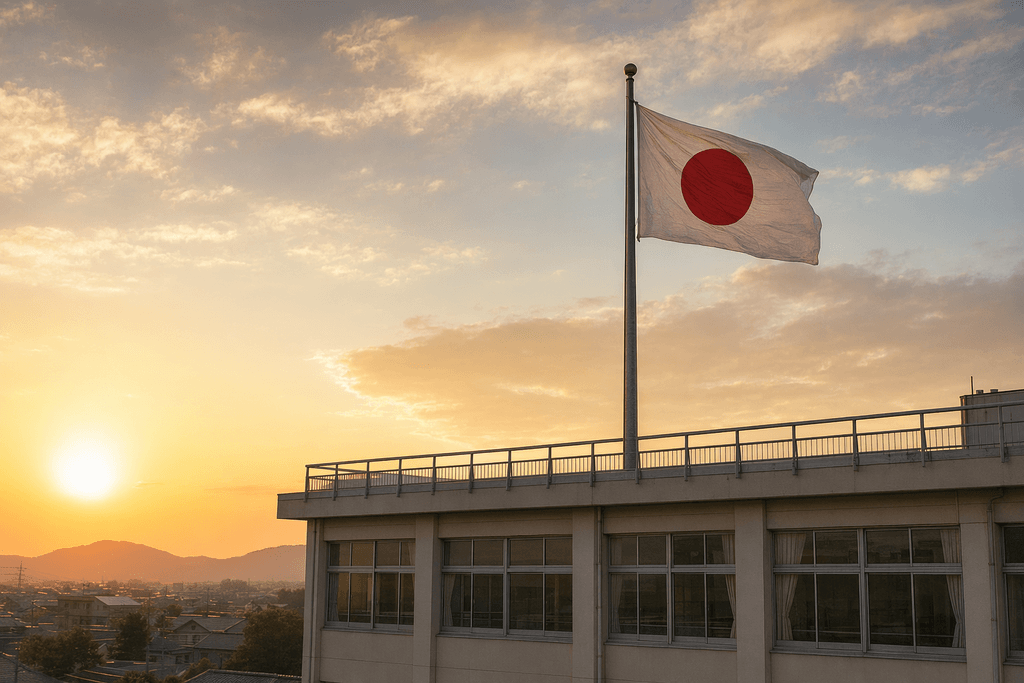
日の丸
日本国旗
日の丸
日本国旗
Explanation
日の丸
日本国旗
日の丸
象征太阳的圆形图案(常为红色或金色) / 日本的太阳圆形徽记;日本国旗上的红日圆 / 古代印于扇面与指物的太阳圆形标记
( Base form )
( romanization )
( hiragana )
Loading...

JLPT N1 多言語単語帳・3032語 / JLPT N1 Multilingual Vocabulary: 3032 Words

Jonathan Waller 氏の JLPT Resources の語彙リスト・レベル分類を出典とし、CC BY の条件に従って DiQt が学習者向けに意味を作り直した3032語の単語帳です。JLPT公式の語彙リストではありません。
This collection of 3032 words is based on the vocabulary list and level classifications in Jonathan Waller’s JLPT Resources under CC BY, with meanings rewritten by DiQt for learners. It is not an official JLPT vocabulary list.
Key Operations
Select the first quiz:
Ctrl + Enter
View Explanation:Ctrl + G
Close a feedback:Esc
When selecting a quiz
Answer:Enter
Select a choice:↓ or ↑
Reading out the question:Ctrl + K
View Hint: Ctrl + M
I don't know: Ctrl + Y



