
JLPT N1 词义四选一 - Unsolved

通过四选一题目,用简体中文学习JLPT N1的3032个单词含义。
-
去
-
弄错
-
肩负
- 「禁ずる」はサ変系の「〜ずる」動詞で、現代語では「禁じる」に近い活用(禁じない・禁じて・禁じた)が一般的です。
- 未然形「禁ぜ」は「禁ぜられる」「禁ぜよ」などで用いられます。
-
日文
-
交易
-
化石
-
更加
-
整个地
-
经常
-
技艺
-
部下
-
铝
-
良心
-
推理
-
商务
-
捏起
-
供餐 / 支付费用
-
顺着 / 遵循
-
成年
-
处理
-
人品
-
周期
-
公开发布
-
印刷
-
双职工
-
干洗
-
衣架
-
真诚的
-
空洞 / 茫然
-
健康的
禁ずる
禁止 / 抑制
禁ずる
禁止 / 抑制
Explanation
禁ずる
禁止 / 抑制
禁ずる
禁止;不准 / 抑制(情感)

Word Forms
The basic and commonly used forms of this verb.
Basic forms
| Form | Word form | Usage |
|---|---|---|
| Imperfective form (mizenkei) |
Alternative:
禁ぜ
|
Connects to endings such as nai, reru, and seru. |
| Continuative form (renyokei) | Connects to endings such as masu, tai, and ta. | |
| Conclusive form (shushikei) | Ends a sentence and serves as the dictionary form. | |
| Attributive form (rentaikei) | Modifies a noun. | |
| Conditional form (kateikei) | Combines with ba to express a condition. | |
| Imperative form (meireikei) |
Alternative:
禁ぜよ
禁じよ
|
Expresses a command or instruction. |
Common forms
| Form | Word form | Usage |
|---|---|---|
| Te-form | Connects clauses with te. | |
| Ta-form | Expresses the past with ta. | |
| Nai-form |
Alternative:
禁ぜない
|
Expresses negation with nai. |
| Masu-form | Used for polite speech. | |
| Ba-form | Expresses a condition with ba. | |
| Volitional form | Expresses intention or invitation. |
Notes
使命
使命
使命
使命
Explanation
使命
使命
使命
使命;职责 / 任务;差事 / (由使者传达的)信息

( Base form )
( romanization )
( hiragana )
いまだ
尚未 / 仍然
いまだ
尚未 / 仍然
Explanation
尚未 / 仍然
いまだ
尚未;仍未 / 至今仍然;一直持续 / 迄今未曾

( romanization )
補償
补偿
補償
补偿
Explanation
補償
补偿
補償
赔偿 / 补偿金 / 经济补偿

( Base form )
( romanization )
( hiragana )
指摘
指出
指摘
指出
Explanation
指摘
指出
指摘
指出(问题、错误等) / 指认;识别 / 提出意见或指正

( Base form )
( romanization )
( hiragana )
仕上げる
做完
仕上げる
做完
Explanation
仕上げる
做完
仕上げる
完成 / 收尾;做最后加工 / 使达到最终状态

Word Forms
The basic and commonly used forms of this verb.
Basic forms
| Form | Word form | Usage |
|---|---|---|
| Imperfective form (mizenkei) | Connects to endings such as nai, reru, and seru. | |
| Continuative form (renyokei) | Connects to endings such as masu, tai, and ta. | |
| Conclusive form (shushikei) | Ends a sentence and serves as the dictionary form. | |
| Attributive form (rentaikei) | Modifies a noun. | |
| Conditional form (kateikei) | Combines with ba to express a condition. | |
| Imperative form (meireikei) |
Alternative:
仕上げよ
|
Expresses a command or instruction. |
Common forms
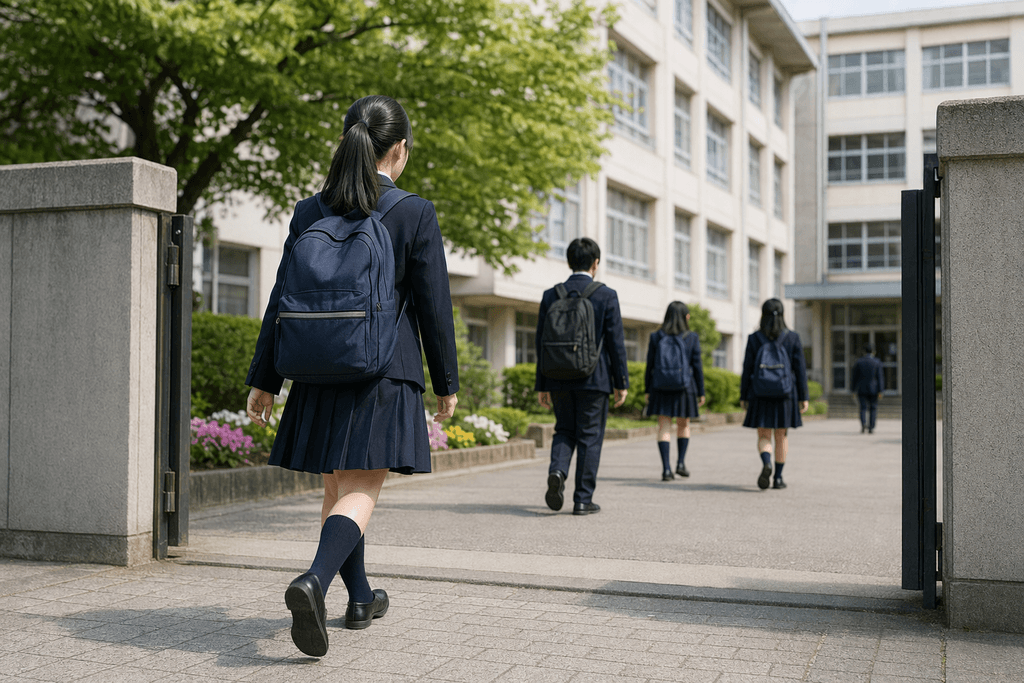
登校
到校
登校
到校
Explanation
登校
到校
登校
到校上学 / 到校 / 学校出勤
( Base form )
( romanization )
( hiragana )
弁償
赔偿损失
弁償
赔偿损失
Explanation
弁償
赔偿损失
弁償
赔偿 / 补偿 / 赔偿损失

( Base form )
( romanization )
( romanization )
( hiragana historical )
( hiragana )
階層
社会阶层 / 层次
階層
社会阶层 / 层次
Explanation
階層
社会阶层 / 层次
階層
层级结构 / 阶层 / 层次

( Base form )
( romanization )
( hiragana )
軽快
轻快 / 活泼
軽快
轻快 / 活泼
Explanation
軽快
轻快 / 活泼
軽快
轻快 / 轻盈灵巧 / 轻松自在

Word Forms
The basic and commonly used forms of this adjectival noun.
Basic forms
| Form | Word form | Usage |
|---|---|---|
| Imperfective form (mizenkei) | Used in forms such as darou. | |
| Continuative form (renyokei) |
Alternative:
軽快に
軽快だっ
|
Used with de or ni. |
| Conclusive form (shushikei) | Ends a sentence with da. | |
| Attributive form (rentaikei) |
Alternative:
軽快である
|
Modifies a noun with na. |
| Conditional form (kateikei) | Expresses a condition with nara. | |
| Imperative form (meireikei) | Used in formal expressions such as de are. |
Common forms
Loading...

JLPT N1 多言語単語帳・3032語 / JLPT N1 Multilingual Vocabulary: 3032 Words

Jonathan Waller 氏の JLPT Resources の語彙リスト・レベル分類を出典とし、CC BY の条件に従って DiQt が学習者向けに意味を作り直した3032語の単語帳です。JLPT公式の語彙リストではありません。
This collection of 3032 words is based on the vocabulary list and level classifications in Jonathan Waller’s JLPT Resources under CC BY, with meanings rewritten by DiQt for learners. It is not an official JLPT vocabulary list.
Key Operations
Select the first quiz:
Ctrl + Enter
View Explanation:Ctrl + G
Close a feedback:Esc
When selecting a quiz
Answer:Enter
Select a choice:↓ or ↑
Reading out the question:Ctrl + K
View Hint: Ctrl + M
I don't know: Ctrl + Y



