
JLPT N1 词义四选一 - Unsolved

通过四选一题目,用简体中文学习JLPT N1的3032个单词含义。
-
干涸
-
弄沉 / 浸没
-
磨损 / 变得世故
- 下一段活用。「途切れる」とも書く。
-
设定 / 配置
-
员工宿舍
-
重逢
-
抓挠
-
折回 / 返回
-
审讯 / 调查
- 漢字表記は一般に「急かす」。
-
习俗
-
山脉
-
欲望
-
干燥的 / 不感情用事的
-
空洞 / 茫然
-
冷酷的
-
形态
-
小姐
-
放映
-
之类
-
凭借
-
啊
-
乱七八糟的 / 荒唐的
-
著名的
-
宁静的
-
反
-
再次
-
诸
-
即将 / 正是
-
即使
-
索性
跡切れる
断开
跡切れる
断开
Explanation
跡切れる
断开
跡切れる
中断;被打断 / 停止;停歇 / 断续;时断时续

Word Forms
The basic and commonly used forms of this verb.
Basic forms
| Form | Word form | Usage |
|---|---|---|
| Imperfective form (mizenkei) |
Alternative:
途切れ
とぎれ
|
Connects to endings such as nai, reru, and seru. |
| Continuative form (renyokei) |
Alternative:
途切れ
とぎれ
|
Connects to endings such as masu, tai, and ta. |
| Conclusive form (shushikei) |
Alternative:
途切れる
とぎれる
|
Ends a sentence and serves as the dictionary form. |
| Attributive form (rentaikei) |
Alternative:
途切れる
とぎれる
|
Modifies a noun. |
| Conditional form (kateikei) |
Alternative:
途切れれ
とぎれれ
|
Combines with ba to express a condition. |
| Imperative form (meireikei) |
Alternative:
跡切れよ
途切れろ
途切れよ
とぎれろ
とぎれよ
|
Expresses a command or instruction. |
Common forms
| Form | Word form | Usage |
|---|---|---|
| Te-form |
Alternative:
途切れて
とぎれて
|
Connects clauses with te. |
| Ta-form |
Alternative:
途切れた
とぎれた
|
Expresses the past with ta. |
| Nai-form |
Alternative:
途切れない
とぎれない
|
Expresses negation with nai. |
| Masu-form |
Alternative:
途切れます
とぎれます
|
Used for polite speech. |
| Ba-form |
Alternative:
途切れれば
とぎれれば
|
Expresses a condition with ba. |
| Volitional form |
Alternative:
途切れよう
とぎれよう
|
Expresses intention or invitation. |
Notes
最善
最佳
最善
最佳
Explanation
最善
最佳
最善
最佳 / 最优方案 / 至善

( Base form )
( romanization )
( hiragana )
せかす
催促
せかす
催促
Explanation
催促
せかす
催促;敦促 / 催赶、让人快点 / 逼着赶紧做

Word Forms
The basic and commonly used forms of this verb.
Basic forms
| Form | Word form | Usage |
|---|---|---|
| Imperfective form (mizenkei) | Connects to endings such as nai, reru, and seru. | |
| Continuative form (renyokei) | Connects to endings such as masu, tai, and ta. | |
| Conclusive form (shushikei) | Ends a sentence and serves as the dictionary form. | |
| Attributive form (rentaikei) | Modifies a noun. | |
| Conditional form (kateikei) | Combines with ba to express a condition. | |
| Imperative form (meireikei) | Expresses a command or instruction. |
Common forms
| Form | Word form | Usage |
|---|---|---|
| Te-form | Connects clauses with te. | |
| Ta-form | Expresses the past with ta. | |
| Nai-form | Expresses negation with nai. | |
| Masu-form | Used for polite speech. | |
| Ba-form | Expresses a condition with ba. | |
| Volitional form | Expresses intention or invitation. |
Notes
タレント
电视艺人
タレント
电视艺人
Explanation
电视艺人
タレント
天赋;才华 / 人才;有才华者 / 电视艺人;电视名人

( romanization )
貧弱
贫乏的
貧弱
贫乏的
Explanation
貧弱
贫乏的
貧弱
贫乏的 / 薄弱的 / 孱弱的

Word Forms
The basic and commonly used forms of this adjectival noun.
Basic forms
| Form | Word form | Usage |
|---|---|---|
| Imperfective form (mizenkei) | Used in forms such as darou. | |
| Continuative form (renyokei) |
Alternative:
貧弱に
|
Used with de or ni. |
| Conclusive form (shushikei) | Ends a sentence with da. | |
| Attributive form (rentaikei) | Modifies a noun with na. | |
| Conditional form (kateikei) |
Alternative:
貧弱であれば
|
Expresses a condition with nara. |
| Imperative form (meireikei) | Used in formal expressions such as de are. |
Common forms
威力
威力
威力
威力
Explanation
威力
威力
威力
强大的力量 / 破坏力 / 震慑力

( Base form )
( romanization )
( romanization )
( hiragana historical )
( hiragana )
なんて
多么
なんて
多么
Explanation
多么
なんて
表示轻蔑、不屑的语气 / 表示鄙视、厌恶的否定 / 含“随便、什么的”的贬抑语气

( romanization )
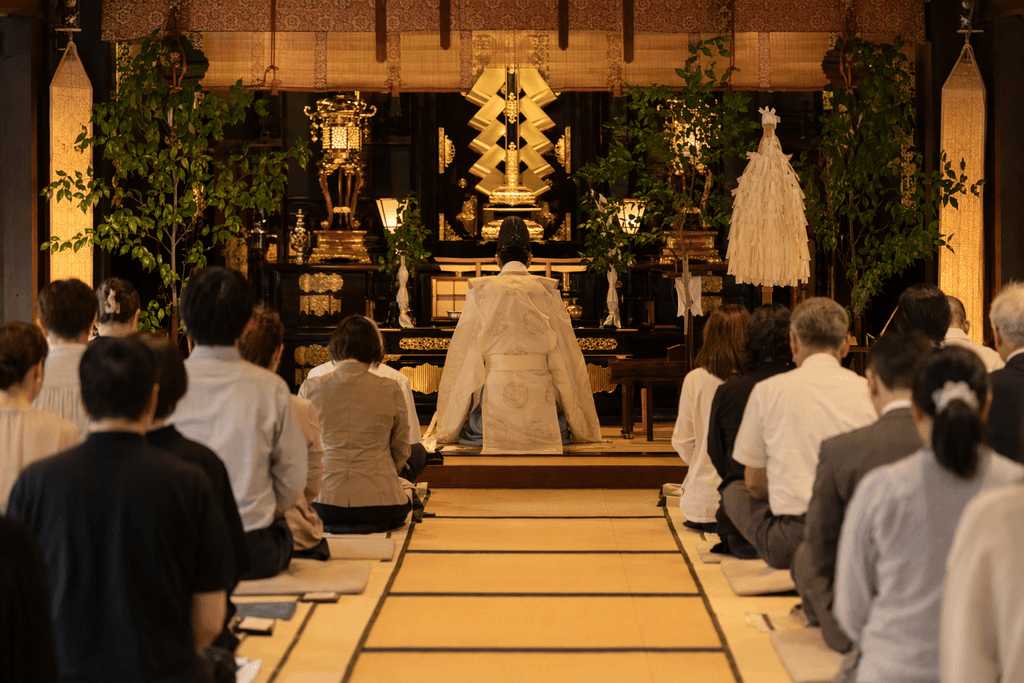
神聖
神圣的
神聖
神圣的
Explanation
神聖
神圣的
神聖
神圣的 / 圣洁的 / 不可亵渎的
Word Forms
The basic and commonly used forms of this adjectival noun.
Basic forms
| Form | Word form | Usage |
|---|---|---|
| Imperfective form (mizenkei) |
Alternative:
神聖でしょ
|
Used in forms such as darou. |
| Continuative form (renyokei) |
Alternative:
神聖に
|
Used with de or ni. |
| Conclusive form (shushikei) |
Alternative:
神聖です
|
Ends a sentence with da. |
| Attributive form (rentaikei) |
Alternative:
神聖なる
|
Modifies a noun with na. |
| Conditional form (kateikei) |
Alternative:
神聖であれば
|
Expresses a condition with nara. |
| Imperative form (meireikei) | Used in formal expressions such as de are. |
Common forms
御
贵
御
贵
Explanation
御
贵
御
日语中的敬语前缀,置于词前以示尊敬 / 常用于指称属于或与听者相关的事物

( romanization )
( hiragana )
いまさら
事到如今
いまさら
事到如今
Explanation
事到如今
いまさら
事到如今 / 现在才(做),为时已晚 / 此时再…也无济于事

( romanization )
Loading...

JLPT N1 多言語単語帳・3032語 / JLPT N1 Multilingual Vocabulary: 3032 Words

Jonathan Waller 氏の JLPT Resources の語彙リスト・レベル分類を出典とし、CC BY の条件に従って DiQt が学習者向けに意味を作り直した3032語の単語帳です。JLPT公式の語彙リストではありません。
This collection of 3032 words is based on the vocabulary list and level classifications in Jonathan Waller’s JLPT Resources under CC BY, with meanings rewritten by DiQt for learners. It is not an official JLPT vocabulary list.
Key Operations
Select the first quiz:
Ctrl + Enter
View Explanation:Ctrl + G
Close a feedback:Esc
When selecting a quiz
Answer:Enter
Select a choice:↓ or ↑
Reading out the question:Ctrl + K
View Hint: Ctrl + M
I don't know: Ctrl + Y



