
JLPT N4 Vocabulary Meanings - Unsolved

Learn the English meanings of 631 JLPT N4 words through questions with four answer choices.
-
dance
-
plant
-
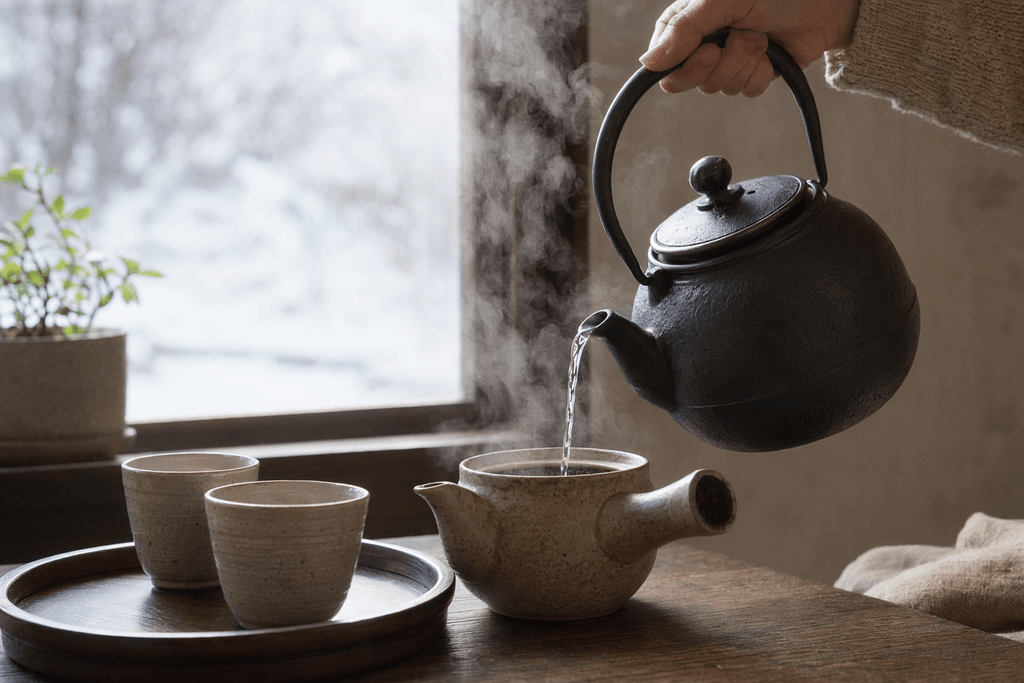
boil water
-
then
-
if
-
because of that
-
hit
-
stand something up
-
touch
-
bitter
-
embarrassed
-
glad
-
that sort of
-
that kind of
-
not at all
-
elementary school
-
seat
-
university student
-
population
-
son
-
front side
-
feeling / mood
-
neighborhood
-
congratulations
-
import
-
catch
-
mind / care about
-
inconvenience
-
light
-
garbage
育てる
raise
育てる
raise
Explanation
育てる
raise
育てる
To raise, to rear, to foster, to bring up.

Word Forms
The basic and commonly used forms of this verb.
Basic forms
| Form | Word form | Usage |
|---|---|---|
| Imperfective form (mizenkei) | Connects to endings such as nai, reru, and seru. | |
| Continuative form (renyokei) | Connects to endings such as masu, tai, and ta. | |
| Conclusive form (shushikei) | Ends a sentence and serves as the dictionary form. | |
| Attributive form (rentaikei) | Modifies a noun. | |
| Conditional form (kateikei) | Combines with ba to express a condition. | |
| Imperative form (meireikei) |
Alternative:
育てよ
|
Expresses a command or instruction. |
Common forms
それに
moreover
それに
moreover
Explanation
moreover
それに
in addition

通る
pass through
通る
pass through
Explanation
通る
pass through
通る
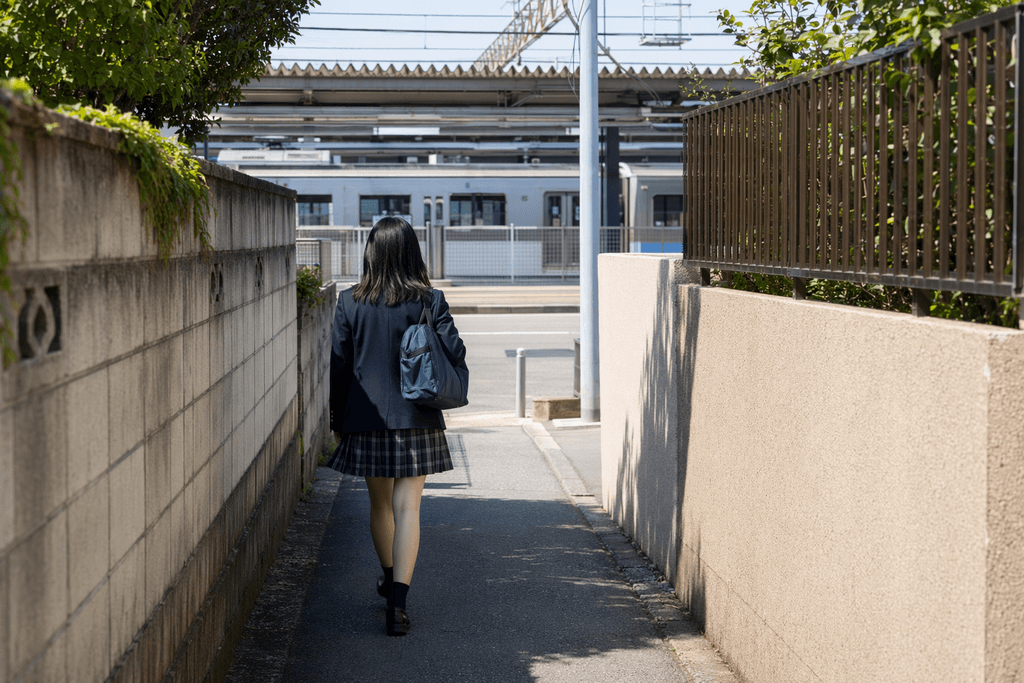
to go through, to pass
Word Forms
The basic and commonly used forms of this verb.
Basic forms
| Form | Word form | Usage |
|---|---|---|
| Imperfective form (mizenkei) |
Alternative:
通ろ
|
Connects to endings such as nai, reru, and seru. |
| Continuative form (renyokei) | Connects to endings such as masu, tai, and ta. | |
| Conclusive form (shushikei) | Ends a sentence and serves as the dictionary form. | |
| Attributive form (rentaikei) | Modifies a noun. | |
| Conditional form (kateikei) | Combines with ba to express a condition. | |
| Imperative form (meireikei) | Expresses a command or instruction. |
Common forms
かたい
hard
かたい
hard
Explanation
hard
かたい
hard / tight / strong; firm / strict / inflexible

Word Forms
The basic and commonly used forms of this adjective.
Basic forms
| Form | Word form | Usage |
|---|---|---|
| Imperfective form (mizenkei) |
Alternative:
固かろ
硬かろ
堅かろ
|
Used in forms such as karou; mainly literary. |
| Continuative form (renyokei) |
Alternative:
固く
硬く
堅く
|
Used in forms such as kute and kunai. |
| Conclusive form (shushikei) |
Alternative:
固い
硬い
堅い
|
Ends a sentence. |
| Attributive form (rentaikei) |
Alternative:
固い
硬い
堅い
|
Modifies a noun. |
| Conditional form (kateikei) |
Alternative:
固けれ
硬けれ
堅けれ
|
Expresses a condition with kereba. |
| Imperative form (meireikei) |
Alternative:
固かれ
硬かれ
堅かれ
|
Rarely used in modern Japanese. |
Common forms
| Form | Word form | Usage |
|---|---|---|
| Te-form |
Alternative:
固くて
硬くて
堅くて
|
Connects clauses with kute. |
| Ta-form |
Alternative:
固かった
硬かった
堅かった
|
Expresses the past with katta. |
| Nai-form |
Alternative:
固くない
硬くない
堅くない
|
Expresses negation with kunai. |
| Ba-form |
Alternative:
固ければ
硬ければ
堅ければ
|
Expresses a condition with kereba. |
別の
different
別の
different
Explanation
別の
different
別の
different, separate, another

( romanization )
( hiragana )
( table-tags )
( inflection-template )
( irrealis stem )
( irrealis stem )
( irrealis )
( continuative stem )
( continuative stem )
( continuative stem )
( continuative stem )
( continuative )
( continuative )
( stem terminative )
( stem terminative )
( terminative )
( attributive stem )
( attributive stem )
( attributive )
( realis stem )
( realis stem )
( realis )
( Imperative stem )
( Imperative stem )
( Imperative )
( negative )
( negative )
( negative )
( contrastive )
( contrastive )
( contrastive )
( causative )
( causative )
( causative )
( Conditional )
( Conditional )
( Conditional )
( Past )
( Past )
( Past )
( Past )
( Past )
( Past )
( adverbial )
( adverbial )
( adverbial )
水道
water supply
水道
water supply
Explanation
水道
water supply
水道
water service, water supply / channel / aqueduct

( Base form )
( romanization )
( hiragana )
関係
relationship
関係
relationship
Explanation
関係
relationship
関係
relationship; relation; connection; relevance; involvement; concern

( Base form )
( romanization )
( romanization )
( hiragana historical )
( hiragana )
赤ちゃん
baby
赤ちゃん
baby
Explanation
赤ちゃん
baby
赤ちゃん

( romanization )
集める
collect
集める
collect
Explanation
集める
collect
集める
to gather / to collect / to assemble

Word Forms
The basic and commonly used forms of this verb.
Basic forms
| Form | Word form | Usage |
|---|---|---|
| Imperfective form (mizenkei) | Connects to endings such as nai, reru, and seru. | |
| Continuative form (renyokei) | Connects to endings such as masu, tai, and ta. | |
| Conclusive form (shushikei) | Ends a sentence and serves as the dictionary form. | |
| Attributive form (rentaikei) | Modifies a noun. | |
| Conditional form (kateikei) | Combines with ba to express a condition. | |
| Imperative form (meireikei) |
Alternative:
集めよ
|
Expresses a command or instruction. |
Common forms
湯
hot water
湯
hot water
Explanation
湯
hot water
湯
warm or hot water
( romanization )
( hiragana )
Loading...

JLPT N4 多言語単語帳・631語 / JLPT N4 Multilingual Vocabulary: 631 Words

Jonathan Waller 氏の JLPT Resources の語彙リスト・レベル分類を出典とし、CC BY の条件に従って DiQt が初級向けに意味を作り直した631語の単語帳です。JLPT公式の語彙リストではありません。
This collection of 631 words is based on the vocabulary list and level classifications in Jonathan Waller’s JLPT Resources under CC BY, with meanings rewritten by DiQt for beginners. It is not an official JLPT vocabulary list.
Key Operations
Select the first quiz:
Ctrl + Enter
View Explanation:Ctrl + G
Close a feedback:Esc
When selecting a quiz
Answer:Enter
Select a choice:↓ or ↑
Reading out the question:Ctrl + K
View Hint: Ctrl + M
I don't know: Ctrl + Y



