
JLPT N4 Vocabulary Meanings - Unsolved

Learn the English meanings of 631 JLPT N4 words through questions with four answer choices.
-
beginning
-
greatly
-
not at all
-
receive
-
do
-
be surprised
- 「構う」はワ行五段活用の動詞。未然形は通常「構わ」(ない等に接続)、意志形では「構お」(うに接続)を用いる。
-
society
-
one hundred million
-
hospital discharge
-
accessory
-
air / atmosphere
-
end / last
-
they
-
she / girlfriend
-
he / boyfriend
-
daughter / young lady
-
exercise
-
suit
-
translation
-
reply
-
pronunciation
-
apologize
-
stop something
-
be surprised
-
transport
-
send
-
get dirty
-
world
-
change from a purchase
-
understanding / consent
たまに
occasionally
たまに
occasionally
Explanation
occasionally
たまに

( romanization )
( romanization )
( hiragana historical )
構う
mind / care about
構う
mind / care about
Explanation
構う
mind / care about
構う
to care about; to mind / to pay attention (affectionate) to a person

Word Forms
The basic and commonly used forms of this verb.
Basic forms
| Form | Word form | Usage |
|---|---|---|
| Imperfective form (mizenkei) |
Alternative:
構お
|
Connects to endings such as nai, reru, and seru. |
| Continuative form (renyokei) | Connects to endings such as masu, tai, and ta. | |
| Conclusive form (shushikei) | Ends a sentence and serves as the dictionary form. | |
| Attributive form (rentaikei) | Modifies a noun. | |
| Conditional form (kateikei) | Combines with ba to express a condition. | |
| Imperative form (meireikei) | Expresses a command or instruction. |
Common forms
| Form | Word form | Usage |
|---|---|---|
| Te-form | Connects clauses with te. | |
| Ta-form | Expresses the past with ta. | |
| Nai-form | Expresses negation with nai. | |
| Masu-form | Used for polite speech. | |
| Ba-form | Expresses a condition with ba. | |
| Volitional form | Expresses intention or invitation. |
Notes
祖母
grandmother
祖母
grandmother
Explanation
祖母
grandmother
祖母

( Base form )
( romanization )
( hiragana )
ご主人
your husband
ご主人
your husband
Explanation
ご主人
your husband
ご主人
(honorific) husband (referring to someone else's husband, not one's own); master

( Base form )
( romanization )
( hiragana )
君
you
君
you
Explanation
君
you
君
you (informal; chiefly men's speech; used toward juniors/subordinates or in intimate contexts; may sound familiar or condescending)

( romanization )
( hiragana )
将来
future / prospects
将来
future / prospects
Explanation
将来
future / prospects
将来
the future / future prospects

( Base form )
( romanization )
( hiragana )
内
inside
内
inside
Explanation
内
inside
内
inside, within (physical location) / between, among / while, during, inside or within a span of time / (when used possessively) one's own, my, our

( romanization )
( hiragana )
聞こえる
can hear
聞こえる
can hear
Explanation
聞こえる
can hear
聞こえる
to be heard / sound, be taken as (give someone a certain impression from hearing) / to be widely known; to be famous / to be audible

Word Forms
The basic and commonly used forms of this verb.
Basic forms
| Form | Word form | Usage |
|---|---|---|
| Imperfective form (mizenkei) | Connects to endings such as nai, reru, and seru. | |
| Continuative form (renyokei) | Connects to endings such as masu, tai, and ta. | |
| Conclusive form (shushikei) | Ends a sentence and serves as the dictionary form. | |
| Attributive form (rentaikei) | Modifies a noun. | |
| Conditional form (kateikei) | Combines with ba to express a condition. | |
| Imperative form (meireikei) |
Alternative:
聞こえよ
|
Expresses a command or instruction. |
Common forms
考える
consider
考える
consider
Explanation
考える
consider
考える
to think / to consider / to ponder / to contemplate / to reflect (on) / to deliberate / to suppose/think (that) / to plan / to intend / to devise / to contrive / to take into account

Word Forms
The basic and commonly used forms of this verb.
Basic forms
| Form | Word form | Usage |
|---|---|---|
| Imperfective form (mizenkei) | Connects to endings such as nai, reru, and seru. | |
| Continuative form (renyokei) | Connects to endings such as masu, tai, and ta. | |
| Conclusive form (shushikei) | Ends a sentence and serves as the dictionary form. | |
| Attributive form (rentaikei) | Modifies a noun. | |
| Conditional form (kateikei) | Combines with ba to express a condition. | |
| Imperative form (meireikei) |
Alternative:
考えよ
|
Expresses a command or instruction. |
Common forms
お祭り
festival
お祭り
festival
Explanation
お祭り
festival
お祭り
(honorific) festival
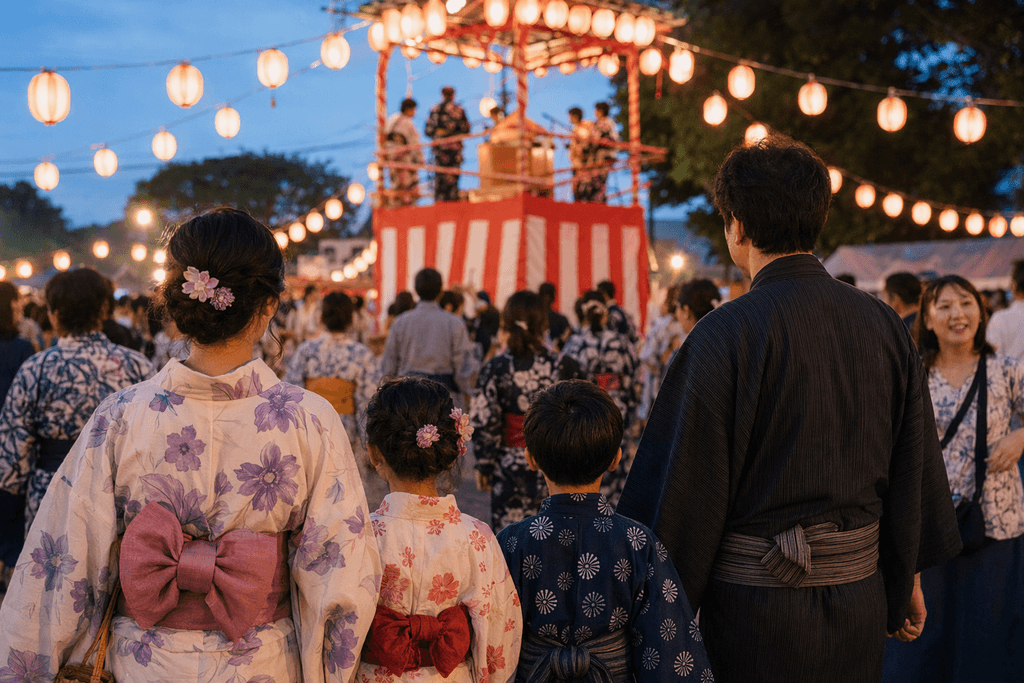
( Base form )
( romanization )
Loading...

JLPT N4 多言語単語帳・631語 / JLPT N4 Multilingual Vocabulary: 631 Words

Jonathan Waller 氏の JLPT Resources の語彙リスト・レベル分類を出典とし、CC BY の条件に従って DiQt が初級向けに意味を作り直した631語の単語帳です。JLPT公式の語彙リストではありません。
This collection of 631 words is based on the vocabulary list and level classifications in Jonathan Waller’s JLPT Resources under CC BY, with meanings rewritten by DiQt for beginners. It is not an official JLPT vocabulary list.
Key Operations
Select the first quiz:
Ctrl + Enter
View Explanation:Ctrl + G
Close a feedback:Esc
When selecting a quiz
Answer:Enter
Select a choice:↓ or ↑
Reading out the question:Ctrl + K
View Hint: Ctrl + M
I don't know: Ctrl + Y



