
JLPT N4 Vocabulary Meanings - Unsolved

Learn the English meanings of 631 JLPT N4 words through questions with four answer choices.
-
exhibition
-
my wife
-
item left behind
-
week after next
-
hindrance
-
water supply
-
cloud
-
at most / below
-
shape
-
method
-
reverse side
-
moon
-
lecture
-
exercise
-
strange
-
congratulations
-
sandals
-
moon
-
danger
-
auditorium
-
play
-
escalator
-
guest / customer
-
month after next
-
have a meal
-
slide / slip
-
commute
- 五段活用バ行の動詞。連用形に接続する「て」「た」では撥音便になり、「選んで」「選んだ」となる。
-
woods
-
futon bedding
-
gift
経験
experience
経験
experience
Explanation
経験
experience
経験
experience (an experience or one's (overall) experience)

( Base form )
( romanization )
( kyūjitai )
( hiragana )
はず
expected to
はず
expected to
Explanation
expected to
はず
expectation; anticipation / supposed to

ガラス
glass
ガラス
glass
Explanation
glass
ガラス
glass (substance)

( romanization )
屋上
rooftop
屋上
rooftop
Explanation
屋上
rooftop
屋上
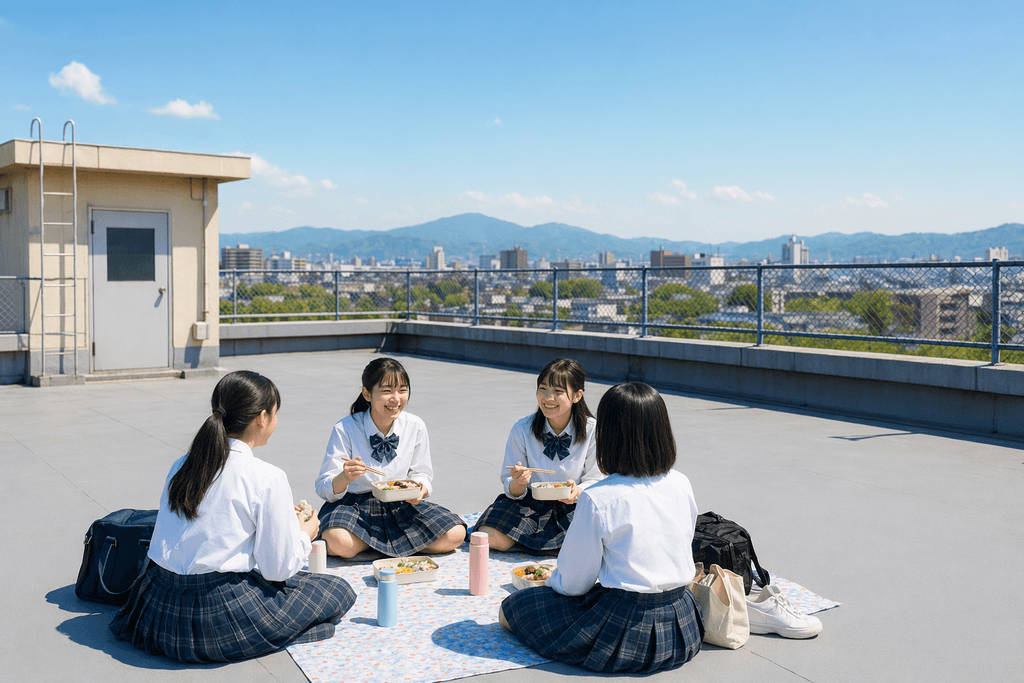
( Base form )
( romanization )
( romanization )
( hiragana historical )
( hiragana )
親
parents
親
parents
Explanation
親
parents
親
a parent; one’s father or mother / originator/progenitor; the ‘father’ of a field, art, or movement / boss/leader; ringleader (esp. in compounds such as 親分, 親玉); dealer in mahjong / main/parent among similar items (e.g., parent company, parent unit/object)

( romanization )
( hiragana )
高校
high school
高校
high school
Explanation
高校
high school
高校
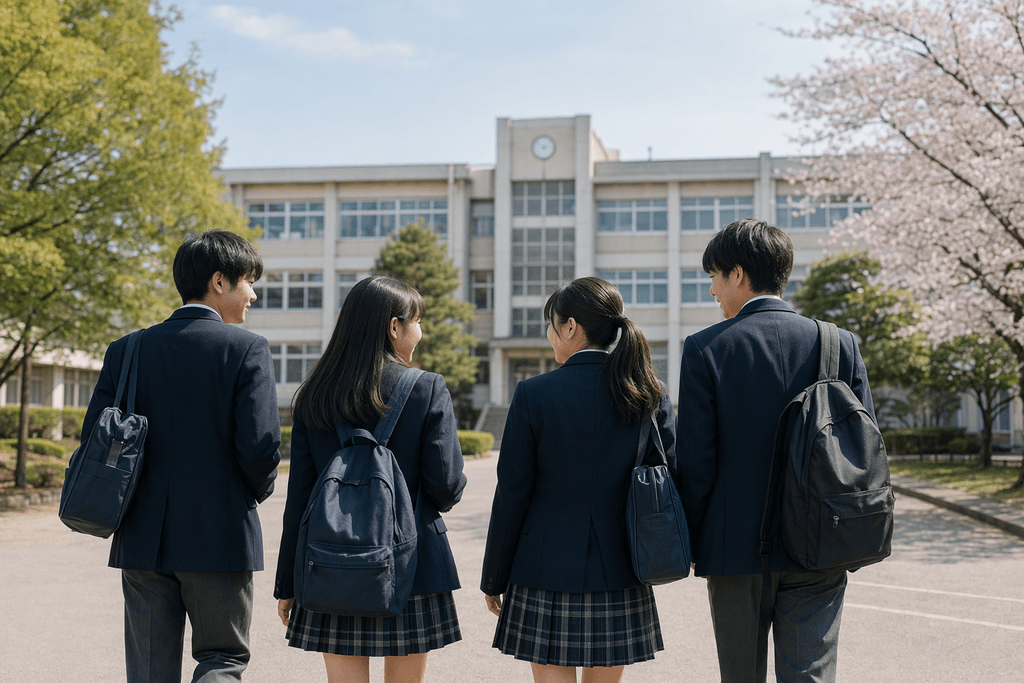
( Base form )
( romanization )
( romanization )
( counter )
( hiragana historical )
( hiragana )
店員
shop assistant
店員
shop assistant
Explanation
店員
shop assistant
店員
shop clerk, salesperson

( Base form )
( romanization )
( hiragana )
髭
beard / mustache
髭
beard / mustache
Explanation
髭
beard / mustache
髭
mustache, beard, whiskers

( romanization )
選ぶ
choose
選ぶ
choose
Explanation
選ぶ
choose
選ぶ

Word Forms
The basic and commonly used forms of this verb.
Basic forms
| Form | Word form | Usage |
|---|---|---|
| Imperfective form (mizenkei) |
Alternative:
選ぼ
|
Connects to endings such as nai, reru, and seru. |
| Continuative form (renyokei) | Connects to endings such as masu, tai, and ta. | |
| Conclusive form (shushikei) | Ends a sentence and serves as the dictionary form. | |
| Attributive form (rentaikei) | Modifies a noun. | |
| Conditional form (kateikei) | Combines with ba to express a condition. | |
| Imperative form (meireikei) | Expresses a command or instruction. |
Common forms
| Form | Word form | Usage |
|---|---|---|
| Te-form | Connects clauses with te. | |
| Ta-form | Expresses the past with ta. | |
| Nai-form | Expresses negation with nai. | |
| Masu-form | Used for polite speech. | |
| Ba-form | Expresses a condition with ba. | |
| Volitional form | Expresses intention or invitation. |
Notes
高校生
high school student
高校生
high school student
Explanation
高校生
high school student
高校生
high school student

( Base form )
( romanization )
( hiragana )
Loading...

JLPT N4 多言語単語帳・631語 / JLPT N4 Multilingual Vocabulary: 631 Words

Jonathan Waller 氏の JLPT Resources の語彙リスト・レベル分類を出典とし、CC BY の条件に従って DiQt が初級向けに意味を作り直した631語の単語帳です。JLPT公式の語彙リストではありません。
This collection of 631 words is based on the vocabulary list and level classifications in Jonathan Waller’s JLPT Resources under CC BY, with meanings rewritten by DiQt for beginners. It is not an official JLPT vocabulary list.
Key Operations
Select the first quiz:
Ctrl + Enter
View Explanation:Ctrl + G
Close a feedback:Esc
When selecting a quiz
Answer:Enter
Select a choice:↓ or ↑
Reading out the question:Ctrl + K
View Hint: Ctrl + M
I don't know: Ctrl + Y



