
JLPT N5 වචන අර්ථ පුහුණුව - Unsolved

පිළිතුරු විකල්ප හතරක් ඇති ප්රශ්න මඟින් JLPT N5 වචන 665ක අර්ථ සිංහලෙන් ඉගෙන ගන්න.
-
අක්කා
-
මේසය
-
තැපැල් පෙට්ටිය
-
භයානක
-
වටකුරු
-
වේගවත්
-
සුරතල් සතා
-
පුවත්
-
මුළුතැන්ගෙය
-
වෙහෙසට පත් වෙනවා
-
ඉල්ලා සිටිනවා
-
ඉගෙන ගන්නවා
-
අමාරු
-
අපිරිසිදු
-
මිල අඩු
-
පරක්කු / මන්දගාමී
-
සිසිල්
-
පහත් / උස අඩු
-
අප්රිය
-
කැමති
-
වැදගත්
- 表記は漢字表記「色々」と仮名表記「いろいろ」がともに用いられる。
- 形容動詞(ナ形容詞)としては「色々な」「色々だ」の形で用いる。
-
පැන්සල
-
ලියන මේසය
-
පාඩම
-
අද
-
වැඩිහිටියා
-
කෑම ශාලාව
-
ආච්චි / මහලු කාන්තාව
-
බදාදා
-
දින විස්සක් / මාසයේ විසිවැනිදා
写真
ඡායාරූපය
写真
ඡායාරූපය
Explanation
写真
ඡායාරූපය
写真
ඡායාරූපය / පින්තූරය

( Base form )
( romanization )
( counter )
( kyūjitai )
( hiragana )
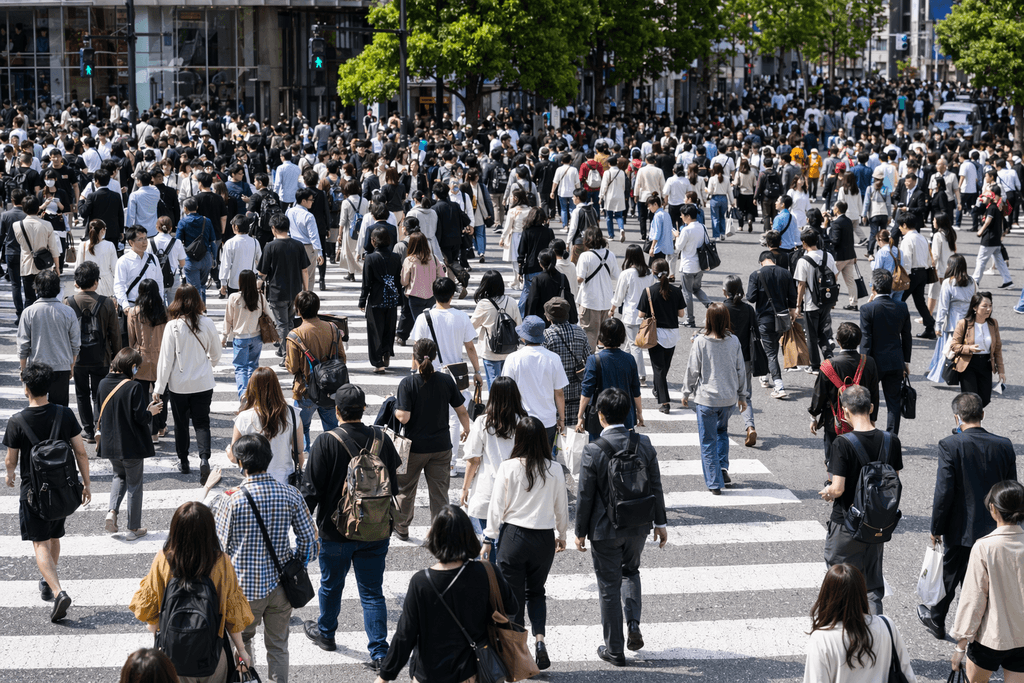
多い
බොහෝ
多い
බොහෝ
Explanation
多い
බොහෝ
多い
බහුල / වැඩි / ගණන/ප්රමාණය වැඩි
Word Forms
The basic and commonly used forms of this adjective.
Basic forms
| Form | Word form | Usage |
|---|---|---|
| Imperfective form (mizenkei) | Used in forms such as karou; mainly literary. | |
| Continuative form (renyokei) |
Alternative:
多かっ
|
Used in forms such as kute and kunai. |
| Conclusive form (shushikei) | Ends a sentence. | |
| Attributive form (rentaikei) | Modifies a noun. | |
| Conditional form (kateikei) | Expresses a condition with kereba. | |
| Imperative form (meireikei) | Rarely used in modern Japanese. |
Common forms
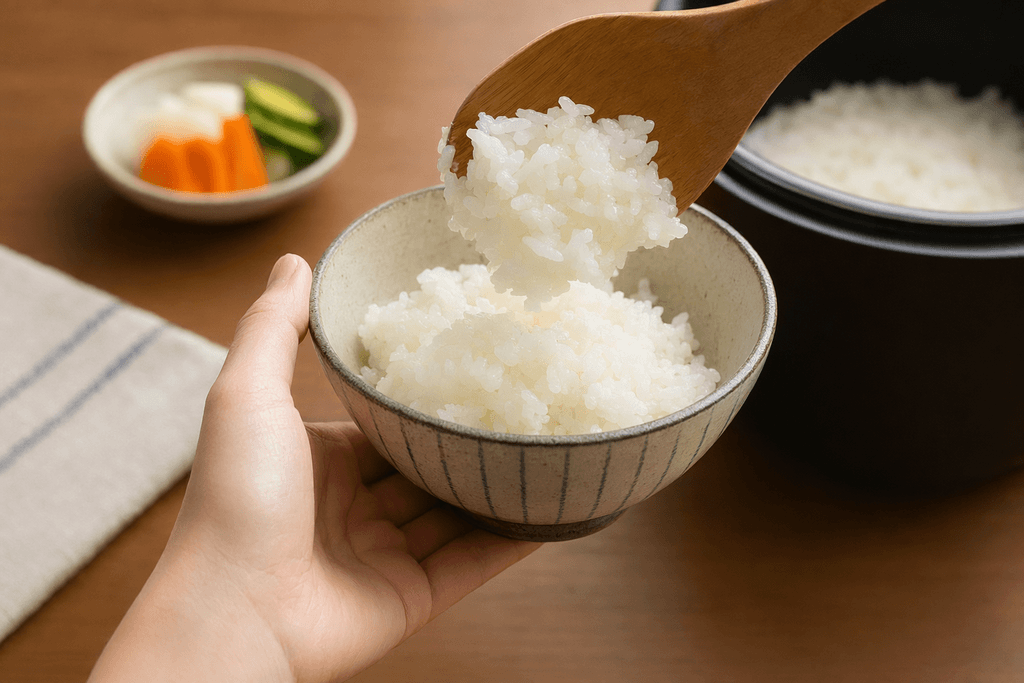
ちゃわん
බත් පාත්රය
ちゃわん
බත් පාත්රය
Explanation
බත් පාත්රය
ちゃわん
බත් කෑමට භාවිත වන බඳුන (බත් බඳුන) / තේ බොන බඳුන (තේ බඳුන)
閉める
වහනවා
閉める
වහනවා
Explanation
閉める
වහනවා
閉める
වසන්න / අගුළු දමන්න / වසා තදකරන්න

Word Forms
The basic and commonly used forms of this verb.
Basic forms
| Form | Word form | Usage |
|---|---|---|
| Imperfective form (mizenkei) | Connects to endings such as nai, reru, and seru. | |
| Continuative form (renyokei) | Connects to endings such as masu, tai, and ta. | |
| Conclusive form (shushikei) | Ends a sentence and serves as the dictionary form. | |
| Attributive form (rentaikei) | Modifies a noun. | |
| Conditional form (kateikei) | Combines with ba to express a condition. | |
| Imperative form (meireikei) |
Alternative:
閉めよ
|
Expresses a command or instruction. |
Common forms
太い
මහත
太い
මහත
Explanation
太い
මහත
太い
තද (ඝන) / මෝට / (හඬ) ගැඹුරු හා පිරුණු

Word Forms
The basic and commonly used forms of this adjective.
Basic forms
| Form | Word form | Usage |
|---|---|---|
| Imperfective form (mizenkei) | Used in forms such as karou; mainly literary. | |
| Continuative form (renyokei) |
Alternative:
太かっ
|
Used in forms such as kute and kunai. |
| Conclusive form (shushikei) | Ends a sentence. | |
| Attributive form (rentaikei) | Modifies a noun. | |
| Conditional form (kateikei) | Expresses a condition with kereba. | |
| Imperative form (meireikei) | Rarely used in modern Japanese. |
Common forms
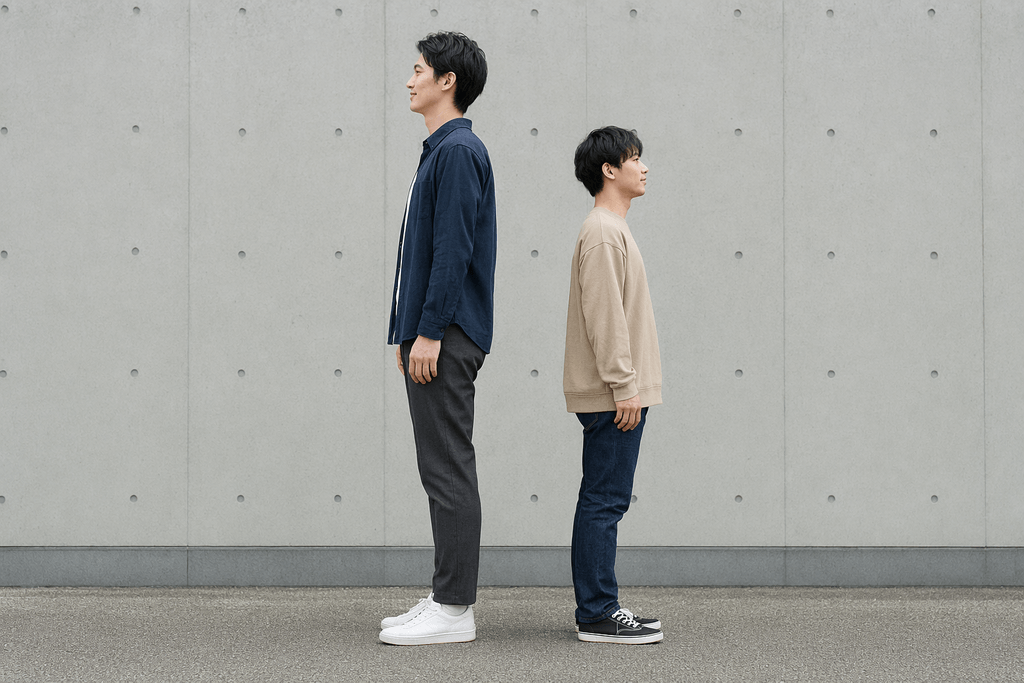
高い
උස / මිල අධික
高い
උස / මිල අධික
Explanation
高い
උස / මිල අධික
高い
උස / මිල අධික / ඉහළ
Word Forms
The basic and commonly used forms of this adjective.
Basic forms
| Form | Word form | Usage |
|---|---|---|
| Imperfective form (mizenkei) | Used in forms such as karou; mainly literary. | |
| Continuative form (renyokei) |
Alternative:
高かっ
|
Used in forms such as kute and kunai. |
| Conclusive form (shushikei) | Ends a sentence. | |
| Attributive form (rentaikei) | Modifies a noun. | |
| Conditional form (kateikei) | Expresses a condition with kereba. | |
| Imperative form (meireikei) | Rarely used in modern Japanese. |
Common forms
色々
විවිධ
色々
විවිධ
Explanation
色々
විවිධ
色々
විවිධ / නොයෙකුත් වර්ගයේ / සියලුම වර්ගයේ

Word Forms
The basic and commonly used forms of this adjectival noun.
Basic forms
| Form | Word form | Usage |
|---|---|---|
| Imperfective form (mizenkei) |
Alternative:
いろいろだろ
|
Used in forms such as darou. |
| Continuative form (renyokei) |
Alternative:
いろいろで
色々に
いろいろに
|
Used with de or ni. |
| Conclusive form (shushikei) |
Alternative:
いろいろだ
|
Ends a sentence with da. |
| Attributive form (rentaikei) |
Alternative:
いろいろな
色々の
いろいろの
|
Modifies a noun with na. |
| Conditional form (kateikei) |
Alternative:
いろいろなら
|
Expresses a condition with nara. |
| Imperative form (meireikei) |
Alternative:
いろいろであれ
|
Used in formal expressions such as de are. |
Common forms
| Form | Word form | Usage |
|---|---|---|
| Te-form equivalent |
Alternative:
いろいろで
|
Connects clauses using de. |
| Ta-form |
Alternative:
いろいろだった
|
Expresses the past with datta. |
| Nai-form |
Alternative:
いろいろではない
色々じゃない
いろいろじゃない
|
Expresses negation with dewa nai or ja nai. |
| Desu-form |
Alternative:
いろいろです
|
Used for polite speech. |
Notes
再来年
ලබන අවුරුද්දට පසු අවුරුද්ද
再来年
ලබන අවුරුද්දට පසු අවුරුද්ද
Explanation
再来年
ලබන අවුරුද්දට පසු අවුරුද්ද
再来年
ඊළඟ වසරට පසු වසර / අනෙක් වසරටත් පසු වසර / ඊළඟින් දෙවන වසර

( romanization )
散歩
ඇවිදීම
散歩
ඇවිදීම
Explanation
散歩
ඇවිදීම
散歩
ඇවිදීම / ඇවිදින්න යාම / සැහැල්ලුවෙන් ඇවිදීම

( Base form )
( romanization )
( kyūjitai )
( hiragana )
今年
මේ අවුරුද්දේ
今年
මේ අවුරුද්දේ
Explanation
今年
මේ අවුරුද්දේ
今年
මේ වසර / මෙවර / වත්මන් වසර

( Base form )
( romanization )
( hiragana )
Loading...

JLPT N5 多言語単語帳・665語 / JLPT N5 Multilingual Vocabulary: 665 Words

Jonathan Waller 氏の JLPT Resources の語彙リスト・レベル分類を出典とし、CC BY の条件に従って DiQt が初級向けに意味を作り直した665語の単語帳です。JLPT公式の語彙リストではありません。
This collection of 665 words is based on the vocabulary list and level classifications in Jonathan Waller’s JLPT Resources under CC BY, with meanings rewritten by DiQt for beginners. It is not an official JLPT vocabulary list.
Key Operations
Select the first quiz:
Ctrl + Enter
View Explanation:Ctrl + G
Close a feedback:Esc
When selecting a quiz
Answer:Enter
Select a choice:↓ or ↑
Reading out the question:Ctrl + K
View Hint: Ctrl + M
I don't know: Ctrl + Y



