
JLPT N5 වචන අර්ථ පුහුණුව - Unsolved

පිළිතුරු විකල්ප හතරක් ඇති ප්රශ්න මඟින් JLPT N5 වචන 665ක අර්ථ සිංහලෙන් ඉගෙන ගන්න.
-
කමක් නැහැ
-
අප්රිය
-
විවිධ
-
නැන්දා / මැදි වියේ කාන්තාව
-
හැමෝම
-
එකට
-
ජනේලය
-
පොත
-
ග්රෑම්
-
පුද්ගලයා
-
කෑම
-
ජැකට්ටුව
-
ඇතුළත
-
රාත්රිය
-
විදුලි දුම්රිය
-
වැහෙනවා
-
ගායනා කරනවා
-
පීනනවා
-
දුර
-
නරක
-
අපිරිසිදු
- 命令形「長かれ」は現代語ではまれです。
-
උණුයි
-
උණුසුම්
-
කෙටි
-
පහසු
-
ළඟ
-
බොහෝ
-
වත්ත
-
ඇතුල්වීමේ ශාලාව
-
ගොඩනැගිල්ල
丈夫
ශක්තිමත් / නිරෝගී
丈夫
ශක්තිමත් / නිරෝගී
Explanation
丈夫
ශක්තිමත් / නිරෝගී
丈夫
දෘඪ / ශක්තිමත් / කල්පවත්

Word Forms
The basic and commonly used forms of this adjectival noun.
Basic forms
| Form | Word form | Usage |
|---|---|---|
| Imperfective form (mizenkei) | Used in forms such as darou. | |
| Continuative form (renyokei) |
Alternative:
丈夫に
|
Used with de or ni. |
| Conclusive form (shushikei) | Ends a sentence with da. | |
| Attributive form (rentaikei) | Modifies a noun with na. | |
| Conditional form (kateikei) | Expresses a condition with nara. | |
| Imperative form (meireikei) | Used in formal expressions such as de are. |
Common forms
茶色
දුඹුරු
茶色
දුඹුරු
Explanation
茶色
දුඹුරු
茶色
දුඹුරු වර්ණය / තේ වර්ණය

( Base form )
( romanization )
( hiragana )
荷物
ගමන් මලු
荷物
ගමන් මලු
Explanation
荷物
ගමන් මලු
荷物
ගමන් බඩු / බර (අනවශ්ය බරද) / බාධාවක්/බරක් ලෙස පෙනෙන දෙය

( Base form )
( romanization )
( hiragana )
靴下
මේස්
靴下
මේස්
Explanation
靴下
මේස්
靴下
මෝස්තර / සොක්ස් / පාද ආවරණ

( Base form )
( romanization )
( hiragana )
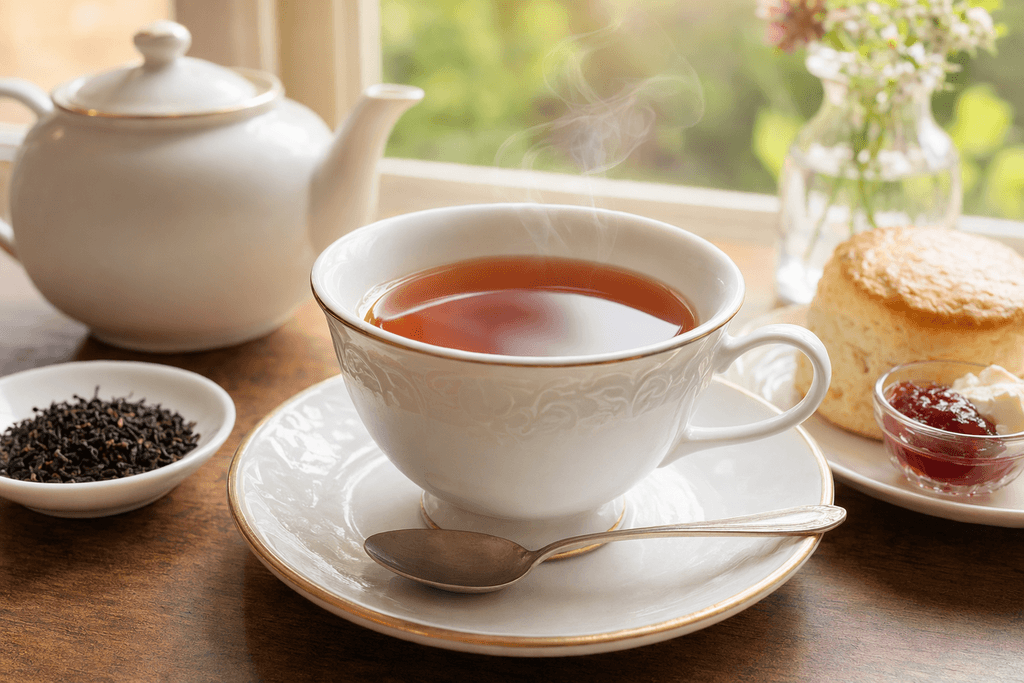
紅茶
කළු තේ
紅茶
කළු තේ
Explanation
紅茶
කළු තේ
紅茶
කළු තේ / රතු තේ
( Base form )
( romanization )
( hiragana )
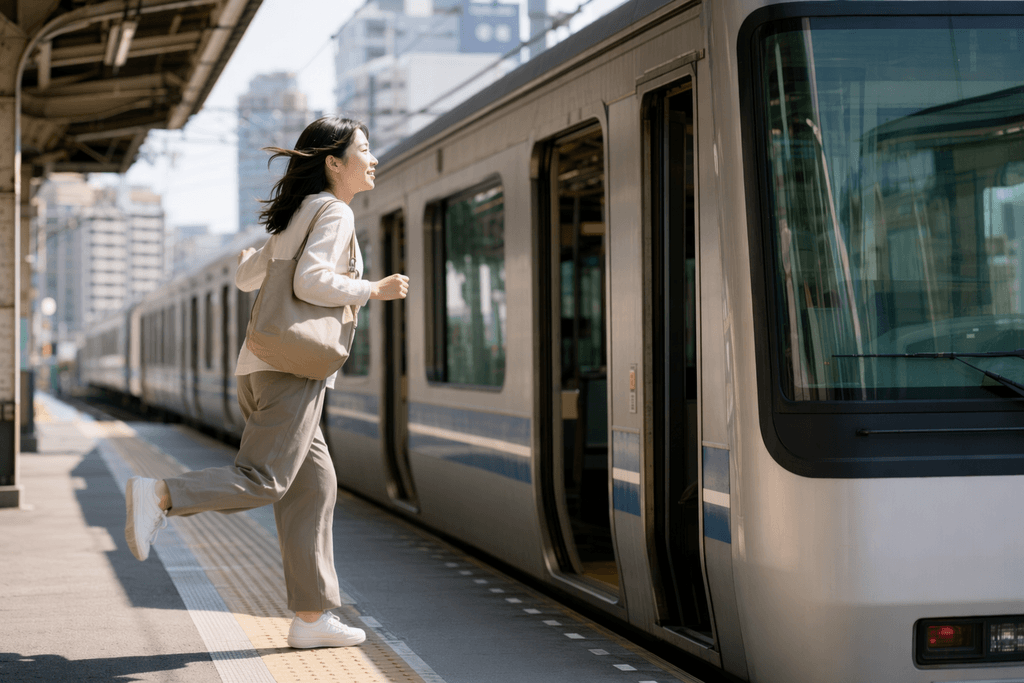
着く
ළඟා වෙනවා
着く
ළඟා වෙනවා
Explanation
着く
ළඟා වෙනවා
着く
පැමිණීම / ගමනාන්තයට ළඟා වීම / පිළිසරණට/ස්ථානයකට තැන්පත් වීම
Word Forms
The basic and commonly used forms of this verb.
Basic forms
| Form | Word form | Usage |
|---|---|---|
| Imperfective form (mizenkei) |
Alternative:
着こ
|
Connects to endings such as nai, reru, and seru. |
| Continuative form (renyokei) | Connects to endings such as masu, tai, and ta. | |
| Conclusive form (shushikei) | Ends a sentence and serves as the dictionary form. | |
| Attributive form (rentaikei) | Modifies a noun. | |
| Conditional form (kateikei) | Combines with ba to express a condition. | |
| Imperative form (meireikei) | Expresses a command or instruction. |
Common forms
長い
දිග
長い
දිග
Explanation
長い
දිග
長い
දිගු / කාලයක් පවතින / දිගින් වැඩි

Word Forms
The basic and commonly used forms of this adjective.
Basic forms
| Form | Word form | Usage |
|---|---|---|
| Imperfective form (mizenkei) | Used in forms such as karou; mainly literary. | |
| Continuative form (renyokei) |
Alternative:
長かっ
|
Used in forms such as kute and kunai. |
| Conclusive form (shushikei) | Ends a sentence. | |
| Attributive form (rentaikei) | Modifies a noun. | |
| Conditional form (kateikei) | Expresses a condition with kereba. | |
| Imperative form (meireikei) | Rarely used in modern Japanese. |
Common forms
| Form | Word form | Usage |
|---|---|---|
| Te-form | Connects clauses with kute. | |
| Ta-form | Expresses the past with katta. | |
| Nai-form | Expresses negation with kunai. | |
| Ba-form | Expresses a condition with kereba. |
Notes
可愛い
හුරුබුහුටි
可愛い
හුරුබුහුටි
Explanation
可愛い
හුරුබුහුටි
可愛い
ලස්සන / ආදරණීය / හුරුබුහුටි

Word Forms
The basic and commonly used forms of this adjective.
Basic forms
| Form | Word form | Usage |
|---|---|---|
| Imperfective form (mizenkei) | Used in forms such as karou; mainly literary. | |
| Continuative form (renyokei) |
Alternative:
可愛かっ
|
Used in forms such as kute and kunai. |
| Conclusive form (shushikei) | Ends a sentence. | |
| Attributive form (rentaikei) | Modifies a noun. | |
| Conditional form (kateikei) | Expresses a condition with kereba. | |
| Imperative form (meireikei) | Rarely used in modern Japanese. |
Common forms
白い
සුදු
白い
සුදු
Explanation
白い
සුදු
白い
සුදු / සුදු පැහැති / සුදු බව ඇති

Word Forms
The basic and commonly used forms of this adjective.
Basic forms
| Form | Word form | Usage |
|---|---|---|
| Imperfective form (mizenkei) | Used in forms such as karou; mainly literary. | |
| Continuative form (renyokei) |
Alternative:
白かっ
|
Used in forms such as kute and kunai. |
| Conclusive form (shushikei) | Ends a sentence. | |
| Attributive form (rentaikei) | Modifies a noun. | |
| Conditional form (kateikei) | Expresses a condition with kereba. | |
| Imperative form (meireikei) | Rarely used in modern Japanese. |
Common forms
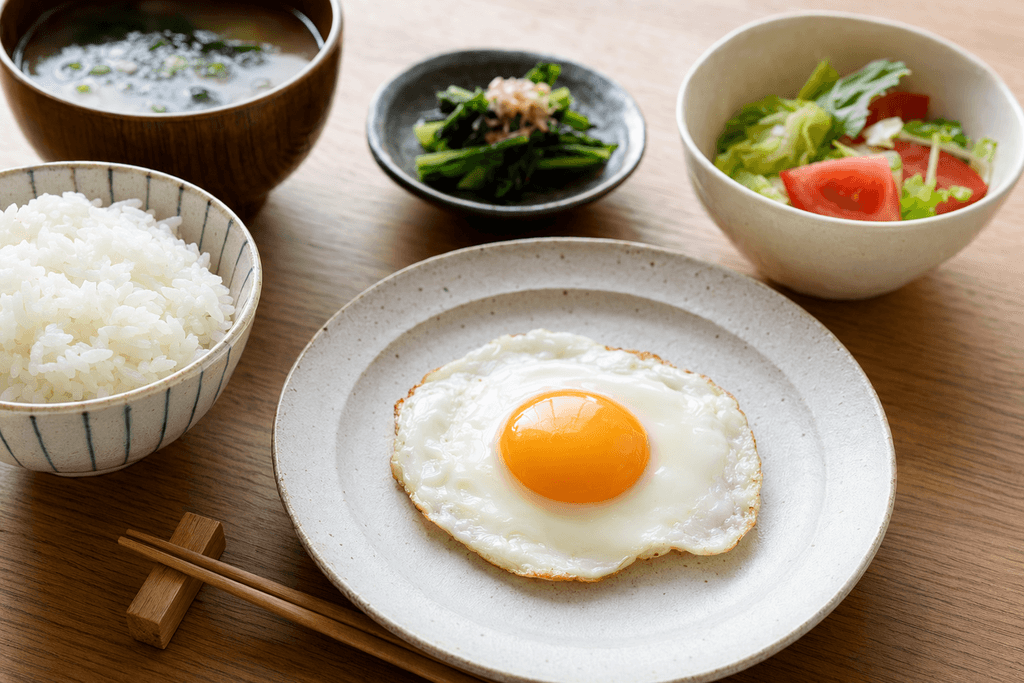
卵
බිත්තරය
卵
බිත්තරය
Explanation
卵
බිත්තරය
卵
බිත්තරය / මාළු බිජ/මාළු බිත්තර (රෝ) / (~の卵) ආරම්භක/ඉගෙනුමැති වෘත්තිකයෙක්; විය හැකි/අනාගත
( romanization )
( hiragana )
Loading...

JLPT N5 多言語単語帳・665語 / JLPT N5 Multilingual Vocabulary: 665 Words

Jonathan Waller 氏の JLPT Resources の語彙リスト・レベル分類を出典とし、CC BY の条件に従って DiQt が初級向けに意味を作り直した665語の単語帳です。JLPT公式の語彙リストではありません。
This collection of 665 words is based on the vocabulary list and level classifications in Jonathan Waller’s JLPT Resources under CC BY, with meanings rewritten by DiQt for beginners. It is not an official JLPT vocabulary list.
Key Operations
Select the first quiz:
Ctrl + Enter
View Explanation:Ctrl + G
Close a feedback:Esc
When selecting a quiz
Answer:Enter
Select a choice:↓ or ↑
Reading out the question:Ctrl + K
View Hint: Ctrl + M
I don't know: Ctrl + Y



