
JLPT N5 වචන අර්ථ පුහුණුව - Unsolved

පිළිතුරු විකල්ප හතරක් ඇති ප්රශ්න මඟින් JLPT N5 වචන 665ක අර්ථ සිංහලෙන් ඉගෙන ගන්න.
-
අංකය
-
ගුවන් යානය
-
නාසය
-
කොහේද
-
කවුරු හරි
-
ඕක
-
කමක් නැහැ
-
කෙළින් ඉදිරියට
-
නිරෝගී / ප්රබෝධමත්
- 「好き」はナ形容詞(形容動詞)として活用します。連体修飾は通常「好きな」を用います。
-
වාඩි වෙනවා
-
විකුණනවා
-
හදනවා
- 上一段・下一段型の一段活用動詞。命令形は口語では「忘れろ」が一般的で、「忘れよ」も用いられる。
-
ණයට ගන්නවා
-
භාවිත කරනවා
-
දුවනවා
- 五段活用カ行の動詞。未然形「咲こ」は意志・勧誘の助動詞「う」に接続する場合の形。
-
පාඩම
-
ලබන අවුරුද්දේ
-
ඉගෙනීම
-
දහස
-
හය
-
නවය
-
බත් පාත්රය
-
කැමරාව
-
ජනේලය
-
ඉතා
-
සියල්ල
-
කොහොමද
-
පුවත්පත
-
හිම
-
පුස්තකාලය
来年
ලබන අවුරුද්දේ
来年
ලබන අවුරුද්දේ
Explanation
来年
ලබන අවුරුද්දේ
来年
ඊළඟ අවුරුද්ද / ලබන වසර

( Base form )
( romanization )
( kyūjitai )
( hiragana )
あっち
අතන
あっち
අතන
Explanation
අතන
あっち
එතැන/ඒ පැත්ත (අනිත් පැත්ත) / ඒ දිශාවට

( romanization )
好き
කැමති
好き
කැමති
Explanation
好き
කැමති
好き
කැමති / ප්රිය / ආස

Word Forms
The basic and commonly used forms of this adjectival noun.
Basic forms
| Form | Word form | Usage |
|---|---|---|
| Imperfective form (mizenkei) | Used in forms such as darou. | |
| Continuative form (renyokei) |
Alternative:
好きに
|
Used with de or ni. |
| Conclusive form (shushikei) | Ends a sentence with da. | |
| Attributive form (rentaikei) |
Alternative:
好きである
|
Modifies a noun with na. |
| Conditional form (kateikei) |
Alternative:
好きであれば
|
Expresses a condition with nara. |
| Imperative form (meireikei) | Used in formal expressions such as de are. |
Common forms
| Form | Word form | Usage |
|---|---|---|
| Te-form equivalent | Connects clauses using de. | |
| Ta-form |
Alternative:
好きでした
|
Expresses the past with datta. |
| Nai-form |
Alternative:
好きじゃない
|
Expresses negation with dewa nai or ja nai. |
| Desu-form | Used for polite speech. |
Notes
忘れる
අමතක වෙනවා
忘れる
අමතක වෙනවා
Explanation
忘れる
අමතක වෙනවා
忘れる
අමතක වීම / මතකයෙන් ඉවත ලෑම / අමතක කර දමනවා

Word Forms
The basic and commonly used forms of this verb.
Basic forms
| Form | Word form | Usage |
|---|---|---|
| Imperfective form (mizenkei) | Connects to endings such as nai, reru, and seru. | |
| Continuative form (renyokei) | Connects to endings such as masu, tai, and ta. | |
| Conclusive form (shushikei) | Ends a sentence and serves as the dictionary form. | |
| Attributive form (rentaikei) | Modifies a noun. | |
| Conditional form (kateikei) | Combines with ba to express a condition. | |
| Imperative form (meireikei) |
Alternative:
忘れよ
|
Expresses a command or instruction. |
Common forms
| Form | Word form | Usage |
|---|---|---|
| Te-form | Connects clauses with te. | |
| Ta-form | Expresses the past with ta. | |
| Nai-form | Expresses negation with nai. | |
| Masu-form | Used for polite speech. | |
| Ba-form | Expresses a condition with ba. | |
| Volitional form | Expresses intention or invitation. |
Notes
咲く
මල් පිපෙනවා
咲く
මල් පිපෙනවා
Explanation
咲く
මල් පිපෙනවා
咲く
මල් පිපෙනවා / (රළ/පෙන) සුදු කැට ලෙස ඉහළට නැගී බිඳෙනවා

Word Forms
The basic and commonly used forms of this verb.
Basic forms
| Form | Word form | Usage |
|---|---|---|
| Imperfective form (mizenkei) |
Alternative:
咲こ
|
Connects to endings such as nai, reru, and seru. |
| Continuative form (renyokei) | Connects to endings such as masu, tai, and ta. | |
| Conclusive form (shushikei) | Ends a sentence and serves as the dictionary form. | |
| Attributive form (rentaikei) | Modifies a noun. | |
| Conditional form (kateikei) | Combines with ba to express a condition. | |
| Imperative form (meireikei) | Expresses a command or instruction. |
Common forms
| Form | Word form | Usage |
|---|---|---|
| Te-form | Connects clauses with te. | |
| Ta-form | Expresses the past with ta. | |
| Nai-form | Expresses negation with nai. | |
| Masu-form | Used for polite speech. | |
| Ba-form | Expresses a condition with ba. | |
| Volitional form | Expresses intention or invitation. |
Notes
喫茶店
කෝපි කඩය
喫茶店
කෝපි කඩය
Explanation
喫茶店
කෝපි කඩය
喫茶店
කැෆේ එක / තේ/කෝපි පානය කරන කඩය / කෝපිහල්

( Base form )
( romanization )
( hiragana )
零
බිංදුව
零
බිංදුව
Explanation
零
බිංදුව
零
ශූන්ය / බිංදුව / නැති බව

( romanization )
( hiragana )
勉強
ඉගෙනීම
勉強
ඉගෙනීම
Explanation
勉強
ඉගෙනීම
勉強
අධ්යයනය / වෙහෙසී වැඩ කිරීම; උත්සාහය / මිල අඩු කිරීම; වට්ටම

( Base form )
( romanization )
( romanization )
( hiragana historical )
( hiragana )
結構
තරමක් / ප්රමාණවත්
結構
තරමක් / ප්රමාණවත්
Explanation
結構
තරමක් / ප්රමාණවත්
結構
තරමක් / බොහෝ දුරට / හොඳටම

( Base form )
( romanization )
( hiragana )
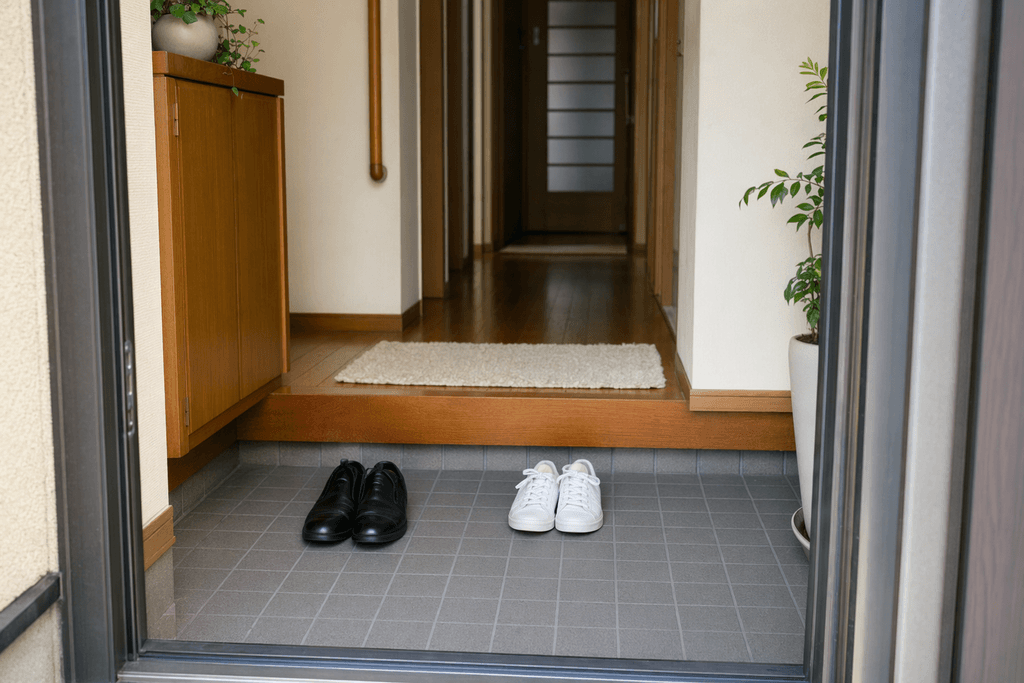
玄関
ඇතුල්වීමේ ශාලාව
玄関
ඇතුල්වීමේ ශාලාව
Explanation
玄関
ඇතුල්වීමේ ශාලාව
玄関
ගෙදර ප්රවේශ දොරටුව / ප්රවේශ මණ්ඩපය / ෆොයෙයරය / පාවහන් ඉවත් කරන ගෙයි ඇතුල් වීමේ ප්රදේශය
( Base form )
( romanization )
( romanization )
( kyūjitai )
( hiragana historical )
( hiragana )
Loading...

JLPT N5 多言語単語帳・665語 / JLPT N5 Multilingual Vocabulary: 665 Words

Jonathan Waller 氏の JLPT Resources の語彙リスト・レベル分類を出典とし、CC BY の条件に従って DiQt が初級向けに意味を作り直した665語の単語帳です。JLPT公式の語彙リストではありません。
This collection of 665 words is based on the vocabulary list and level classifications in Jonathan Waller’s JLPT Resources under CC BY, with meanings rewritten by DiQt for beginners. It is not an official JLPT vocabulary list.
Key Operations
Select the first quiz:
Ctrl + Enter
View Explanation:Ctrl + G
Close a feedback:Esc
When selecting a quiz
Answer:Enter
Select a choice:↓ or ↑
Reading out the question:Ctrl + K
View Hint: Ctrl + M
I don't know: Ctrl + Y



