
JLPT N3 詞義四選一 - Unsolved

透過四選一題目,用繁體中文學習JLPT N3的1677個單字詞義。
-
加 / 好處
-
不
-
到底 / 一體
-
斷開 / 鋒利
-
觸碰 / 提及
-
偶遇
- 「応ずる」も用いられるが、ここでは見出し語「応じる」を主形として扱う。
-
平原
-
詩人
-
生意
-
避開
-
輾過
-
連接
- 「追い付く」は「付く」と同じ五段カ行活用。表記ゆれとして「追いつく」も一般的。
-
轉移 / 傳染
-
撕破 / 打破
-
天亮
- 「びっくり」は仮名表記が一般的。漢字表記として「吃驚する」もある。
- サ変動詞「する」の複合動詞。未然形は接続により「し・せ・さ」が現れる。
-
郵件
-
手術
-
調查
-
茶
-
戀愛
-
麻煩
-
地平線
-
忍耐
-
彼此
-
皮革
-
櫻花 / 櫻花樹
-
煤炭
-
就業
-
希望
-
天然
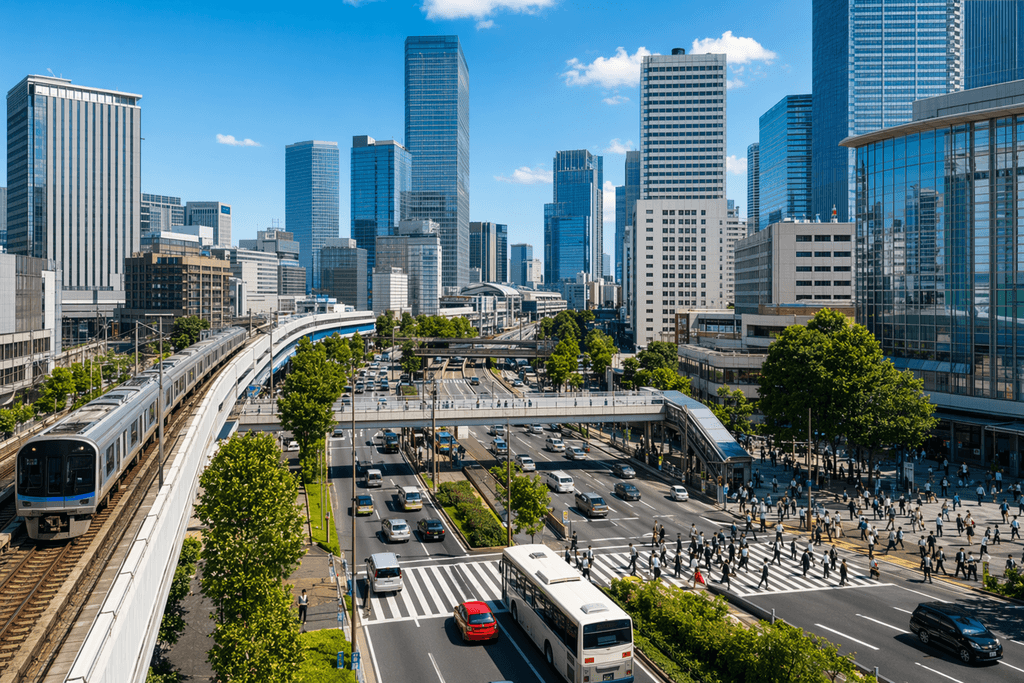
都市
城市
都市
城市
Explanation
都市
城市
都市
城市 / 城鎮
( Base form )
( romanization )
( hiragana )
応じる
回應 / 遵從
応じる
回應 / 遵從
Explanation
応じる
回應 / 遵從
応じる
符合;滿足 / 遵從;依從 / 回答;回應

Word Forms
The basic and commonly used forms of this verb.
Basic forms
| Form | Word form | Usage |
|---|---|---|
| Imperfective form (mizenkei) | Connects to endings such as nai, reru, and seru. | |
| Continuative form (renyokei) | Connects to endings such as masu, tai, and ta. | |
| Conclusive form (shushikei) |
Alternative:
応ずる
|
Ends a sentence and serves as the dictionary form. |
| Attributive form (rentaikei) |
Alternative:
応ずる
|
Modifies a noun. |
| Conditional form (kateikei) |
Alternative:
応ずれ
|
Combines with ba to express a condition. |
| Imperative form (meireikei) |
Alternative:
応じよ
応ぜよ
|
Expresses a command or instruction. |
Common forms
| Form | Word form | Usage |
|---|---|---|
| Te-form |
Alternative:
応じまして
|
Connects clauses with te. |
| Ta-form | Expresses the past with ta. | |
| Nai-form |
Alternative:
応じません
|
Expresses negation with nai. |
| Masu-form | Used for polite speech. | |
| Ba-form |
Alternative:
応ずれば
|
Expresses a condition with ba. |
| Volitional form |
Alternative:
応じましょう
|
Expresses intention or invitation. |
Notes
提案
提案
提案
提案
Explanation
提案
提案
提案
提出的建議或方案 / 供審議的議案或提議

( Base form )
( romanization )
( hiragana )
追い付く
趕上
追い付く
趕上
Explanation
追い付く
趕上
追い付く
追上;趕上 / 跟上(速度、進度等) / (常用否定)彌補得上;補得上

Word Forms
The basic and commonly used forms of this verb.
Basic forms
| Form | Word form | Usage |
|---|---|---|
| Imperfective form (mizenkei) |
Alternative:
追い付こ
追いつか
追いつこ
|
Connects to endings such as nai, reru, and seru. |
| Continuative form (renyokei) |
Alternative:
追いつき
|
Connects to endings such as masu, tai, and ta. |
| Conclusive form (shushikei) |
Alternative:
追いつく
|
Ends a sentence and serves as the dictionary form. |
| Attributive form (rentaikei) |
Alternative:
追いつく
|
Modifies a noun. |
| Conditional form (kateikei) |
Alternative:
追いつけ
|
Combines with ba to express a condition. |
| Imperative form (meireikei) |
Alternative:
追いつけ
|
Expresses a command or instruction. |
Common forms
| Form | Word form | Usage |
|---|---|---|
| Te-form |
Alternative:
追いついて
|
Connects clauses with te. |
| Ta-form |
Alternative:
追いついた
|
Expresses the past with ta. |
| Nai-form |
Alternative:
追いつかない
|
Expresses negation with nai. |
| Masu-form |
Alternative:
追いつきます
|
Used for polite speech. |
| Ba-form |
Alternative:
追いつけば
|
Expresses a condition with ba. |
| Volitional form |
Alternative:
追いつこう
|
Expresses intention or invitation. |
Notes
びっくりする
吃驚
びっくりする
吃驚
Explanation
吃驚
びっくりする
感到驚訝 / 嚇一跳 / 大吃一驚

Word Forms
The basic and commonly used forms of this verb.
Basic forms
| Form | Word form | Usage |
|---|---|---|
| Imperfective form (mizenkei) |
Alternative:
びっくりせ
びっくりさ
|
Connects to endings such as nai, reru, and seru. |
| Continuative form (renyokei) | Connects to endings such as masu, tai, and ta. | |
| Conclusive form (shushikei) |
Alternative:
吃驚する
|
Ends a sentence and serves as the dictionary form. |
| Attributive form (rentaikei) |
Alternative:
吃驚する
|
Modifies a noun. |
| Conditional form (kateikei) | Combines with ba to express a condition. | |
| Imperative form (meireikei) |
Alternative:
びっくりせよ
|
Expresses a command or instruction. |
Common forms
| Form | Word form | Usage |
|---|---|---|
| Te-form |
Alternative:
吃驚して
|
Connects clauses with te. |
| Ta-form |
Alternative:
吃驚した
|
Expresses the past with ta. |
| Nai-form |
Alternative:
びっくりせぬ
びっくりせん
吃驚しない
|
Expresses negation with nai. |
| Masu-form |
Alternative:
吃驚します
|
Used for polite speech. |
| Ba-form |
Alternative:
吃驚すれば
|
Expresses a condition with ba. |
| Volitional form |
Alternative:
吃驚しよう
|
Expresses intention or invitation. |
Notes
下り
下坡 / 下行列車
下り
下坡 / 下行列車
Explanation
下り
下坡 / 下行列車
下り
向下的 / 下行的(列車等) / 出城的(列車等)

トン
噸
トン
噸
Explanation
噸
トン
公噸(質量單位,1000公斤,符號 t) / 噸(通常指公噸)

( romanization )
文句
抱怨 / 措辭
文句
抱怨 / 措辭
Explanation
文句
抱怨 / 措辭
文句
抱怨、怨言 / 詞句、語句

( Base form )
( romanization )
( hiragana )
修正
修正
修正
修正
Explanation
修正
修正
修正
修訂(對文件、制度等) / 訂正;更正 / 為改進而作出的變更

( Base form )
( romanization )
( romanization )
( hiragana historical )
( hiragana )
餌
飼料 / 誘餌
餌
飼料 / 誘餌
Explanation
餌
飼料 / 誘餌
餌
飼料 / 誘餌

( romanization )
( romanization )
( hiragana historical )
( hiragana )
Loading...

JLPT N3 多言語単語帳・1677語 / JLPT N3 Multilingual Vocabulary: 1677 Words

Jonathan Waller 氏の JLPT Resources の語彙リスト・レベル分類を出典とし、CC BY の条件に従って DiQt が学習者向けに意味を作り直した1677語の単語帳です。JLPT公式の語彙リストではありません。
This collection of 1677 words is based on the vocabulary list and level classifications in Jonathan Waller’s JLPT Resources under CC BY, with meanings rewritten by DiQt for learners. It is not an official JLPT vocabulary list.
Key Operations
Select the first quiz:
Ctrl + Enter
View Explanation:Ctrl + G
Close a feedback:Esc
When selecting a quiz
Answer:Enter
Select a choice:↓ or ↑
Reading out the question:Ctrl + K
View Hint: Ctrl + M
I don't know: Ctrl + Y



