
JLPT N3 詞義四選一 - Unsolved

透過四選一題目,用繁體中文學習JLPT N3的1677個單字詞義。
-
貧窮的
-
可怕的
-
好吃
- 「とんでもない」は一語のイ形容詞として扱う。丁寧な慣用表現として「とんでもありません」「とんでもございません」も用いられるが、ここでは標準的な形容詞活用を示す。
-
朝向
-
嘔吐 / 呼氣
-
防止 / 防禦
-
習慣
-
疑問
-
底部
-
示範 / 示威
-
藝術
-
氣息
-
惡作劇
-
個性
-
銀
-
電視劇
-
威士忌
-
郵件
-
看見 / 觀看
-
醒來
-
支付
-
回應 / 遵從
-
依靠
-
喊叫
-
遲早 / 哪個
-
幾乎 / 大約
-
其實
-
男人
-
河
-
銅幣
とんでもない
荒唐的 / 不可能
とんでもない
荒唐的 / 不可能
Explanation
荒唐的 / 不可能
とんでもない
離譜的 / 不可思議的 / 絕不(用於否定或謙遜)

Word Forms
The basic and commonly used forms of this adjective.
Basic forms
| Form | Word form | Usage |
|---|---|---|
| Imperfective form (mizenkei) | Used in forms such as karou; mainly literary. | |
| Continuative form (renyokei) |
Alternative:
とんでもなかっ
|
Used in forms such as kute and kunai. |
| Conclusive form (shushikei) | Ends a sentence. | |
| Attributive form (rentaikei) | Modifies a noun. | |
| Conditional form (kateikei) | Expresses a condition with kereba. | |
| Imperative form (meireikei) | Rarely used in modern Japanese. |
Common forms
| Form | Word form | Usage |
|---|---|---|
| Te-form | Connects clauses with kute. | |
| Ta-form | Expresses the past with katta. | |
| Nai-form | Expresses negation with kunai. | |
| Ba-form | Expresses a condition with kereba. |
Notes
抜ける
脫落 / 遺漏
抜ける
脫落 / 遺漏
Explanation
抜ける
脫落 / 遺漏
抜ける
被抽出;被拔出 / 脫落;掉出;出來 / 看起來彷彿透明;清澈透亮

Word Forms
The basic and commonly used forms of this verb.
Basic forms
| Form | Word form | Usage |
|---|---|---|
| Imperfective form (mizenkei) | Connects to endings such as nai, reru, and seru. | |
| Continuative form (renyokei) | Connects to endings such as masu, tai, and ta. | |
| Conclusive form (shushikei) | Ends a sentence and serves as the dictionary form. | |
| Attributive form (rentaikei) | Modifies a noun. | |
| Conditional form (kateikei) | Combines with ba to express a condition. | |
| Imperative form (meireikei) |
Alternative:
抜けよ
|
Expresses a command or instruction. |
Common forms
胃
胃
胃
胃
Explanation
胃
胃
胃
消化器官,連接食道與小腸 / 胃部

( romanization )
( romanization )
( hiragana historical )
( hiragana )
神経
神經 / 敏感性
神経
神經 / 敏感性
Explanation
神経
神經 / 敏感性
神経
神經(解剖) / 敏感;感受性

( Base form )
( romanization )
( kyūjitai )
( hiragana )
種
種子 / 起因
種
種子 / 起因
Explanation
種
種子 / 起因
種
種子;果核 / 配子;生殖細胞;血統 / 根源;起因;材料、原料

( romanization )
( hiragana )
畑
旱田
畑
旱田
Explanation
畑
旱田
畑
旱田 / 農地(非水田) / 菜園

( romanization )
( hiragana )
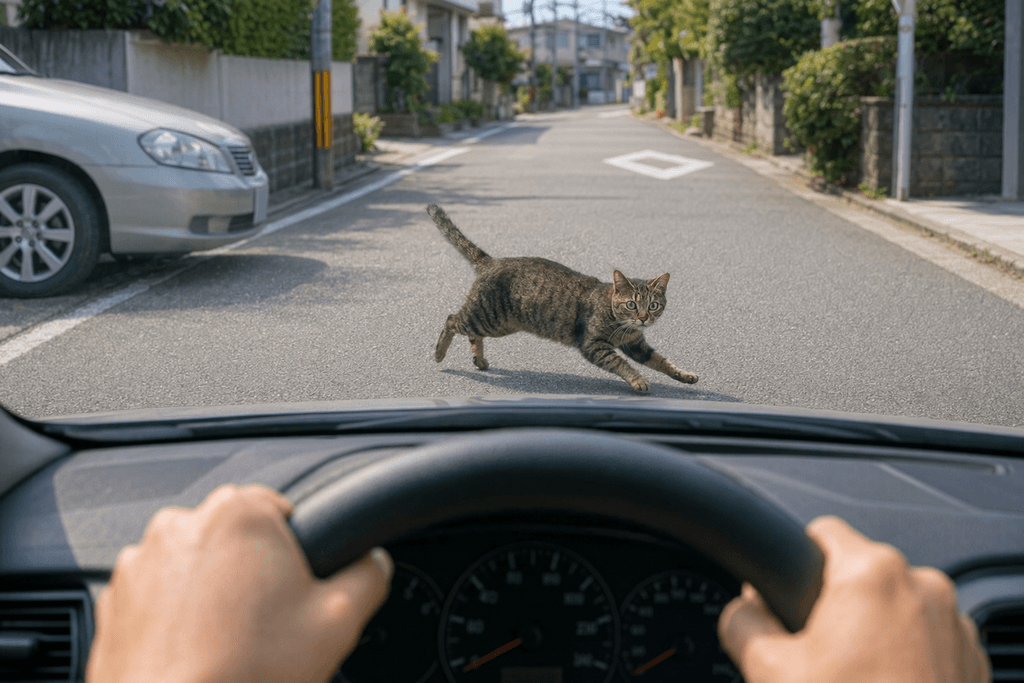
轢く
輾過
轢く
輾過
Explanation
轢く
輾過
轢く
用車輛輾過 / 以車輪壓過 / 用車輛輾斃
Word Forms
The basic and commonly used forms of this verb.
Basic forms
| Form | Word form | Usage |
|---|---|---|
| Imperfective form (mizenkei) |
Alternative:
轢こ
|
Connects to endings such as nai, reru, and seru. |
| Continuative form (renyokei) | Connects to endings such as masu, tai, and ta. | |
| Conclusive form (shushikei) | Ends a sentence and serves as the dictionary form. | |
| Attributive form (rentaikei) | Modifies a noun. | |
| Conditional form (kateikei) | Combines with ba to express a condition. | |
| Imperative form (meireikei) | Expresses a command or instruction. |
Common forms
掴む
抓住
掴む
抓住
Explanation
掴む
抓住
掴む
抓住 / 握住 / 緊握

Word Forms
The basic and commonly used forms of this verb.
Basic forms
| Form | Word form | Usage |
|---|---|---|
| Imperfective form (mizenkei) |
Alternative:
掴も
|
Connects to endings such as nai, reru, and seru. |
| Continuative form (renyokei) | Connects to endings such as masu, tai, and ta. | |
| Conclusive form (shushikei) | Ends a sentence and serves as the dictionary form. | |
| Attributive form (rentaikei) | Modifies a noun. | |
| Conditional form (kateikei) | Combines with ba to express a condition. | |
| Imperative form (meireikei) | Expresses a command or instruction. |
Common forms
次々
接連不斷
次々
接連不斷
Explanation
次々
接連不斷
次々
一個接著一個地 / 接二連三地 / 連續不斷地
( Base form )
( romanization )
( hiragana )
ひも
細繩
ひも
細繩
Explanation
細繩
ひも
繩子;帶子 / 皮條客 / 吃軟飯的男人

( romanization )
( romanization )
( counter )
( hiragana historical )
Loading...

JLPT N3 多言語単語帳・1677語 / JLPT N3 Multilingual Vocabulary: 1677 Words

Jonathan Waller 氏の JLPT Resources の語彙リスト・レベル分類を出典とし、CC BY の条件に従って DiQt が学習者向けに意味を作り直した1677語の単語帳です。JLPT公式の語彙リストではありません。
This collection of 1677 words is based on the vocabulary list and level classifications in Jonathan Waller’s JLPT Resources under CC BY, with meanings rewritten by DiQt for learners. It is not an official JLPT vocabulary list.
Key Operations
Select the first quiz:
Ctrl + Enter
View Explanation:Ctrl + G
Close a feedback:Esc
When selecting a quiz
Answer:Enter
Select a choice:↓ or ↑
Reading out the question:Ctrl + K
View Hint: Ctrl + M
I don't know: Ctrl + Y



