
JLPT N3 詞義四選一 - Unsolved

透過四選一題目,用繁體中文學習JLPT N3的1677個單字詞義。
-
也許
-
固定 / 留住
-
營養
- 補助動詞用法では、前接する動詞のテ形に付いて完了・遺憾・不本意などを表す。
- 漢字表記は本動詞では「仕舞う」と書くことがあるが、補助動詞では通常かな書きされる。
-
到底 / 一體
-
性別 / 本性
-
獎學金
-
相反
-
人
-
硬幣
-
偉大
-
擅長 / 得意
-
鮮紅的
-
輕輕地 / 悄悄地
-
幸好
-
偶然
-
缺陷
-
令人同情
-
誇耀 / 自豪
-
觀察
-
準確
-
兔子
-
道路
-
一家人
-
會議
-
故意地
-
彷彿 / 完全
-
意外地 / 撲通一聲
-
不可思議
-
擴大
-
戀人
しまう
完成 / 收好
しまう
完成 / 收好
Explanation
完成 / 收好
しまう
收起、收納;放好 / 結束、了結;關閉 / (助動)表示完成、意外或遺憾

Word Forms
The basic and commonly used forms of this auxiliary verb.
Basic forms
| Form | Word form | Usage |
|---|---|---|
| Imperfective form (mizenkei) |
Alternative:
しまお
|
Available forms depend on the auxiliary verb. |
| Continuative form (renyokei) |
Alternative:
しまっ
|
Available forms depend on the auxiliary verb. |
| Conclusive form (shushikei) | The basic form carrying the grammatical function. | |
| Attributive form (rentaikei) | Usage depends on the surrounding words. | |
| Conditional form (kateikei) | Used when the auxiliary participates in a conditional expression. | |
| Imperative form (meireikei) | Some auxiliaries do not have this form. |
Common forms
| Form | Word form | Usage |
|---|---|---|
| Te-form equivalent | Available for some auxiliaries. | |
| Ta-form equivalent | May express past time or completion. | |
| Nai-form equivalent | May participate in negation. | |
| Masu-form equivalent | Used by words that express politeness. | |
| Ba-form equivalent | May participate in conditional expressions. | |
| Volitional equivalent | May express intention or conjecture. |
Notes
尊重
尊重
尊重
尊重
Explanation
尊重
尊重
尊重
敬重 / 尊敬 / 尊崇

( Base form )
( romanization )
( hiragana )
納得
理解 / 接受
納得
理解 / 接受
Explanation
納得
理解 / 接受
納得
理解 / 同意 / 心服

( Base form )
( romanization )
( hiragana )
必死
拚命的
必死
拚命的
Explanation
必死
拚命的
必死
必定死亡的(舊義) / 拼命的 / 竭盡全力的

Word Forms
The basic and commonly used forms of this adjectival noun.
Basic forms
| Form | Word form | Usage |
|---|---|---|
| Imperfective form (mizenkei) |
Alternative:
必死でしょ
|
Used in forms such as darou. |
| Continuative form (renyokei) |
Alternative:
必死に
|
Used with de or ni. |
| Conclusive form (shushikei) |
Alternative:
必死です
|
Ends a sentence with da. |
| Attributive form (rentaikei) |
Alternative:
必死の
|
Modifies a noun with na. |
| Conditional form (kateikei) |
Alternative:
必死であれば
|
Expresses a condition with nara. |
| Imperative form (meireikei) | Used in formal expressions such as de are. |
Common forms
直接
直接
直接
直接
Explanation
直接
直接
直接
不經過中介或中間環節的 / 坦率、直白的 / 直達的;不繞道的

( Base form )
( romanization )
( adnominal )
( adverbial )
( hiragana )
( table-tags )
( inflection-template )
( imperfective stem )
( imperfective stem )
( imperfective )
( continuative stem )
( continuative stem )
( continuative )
( stem terminative )
( stem terminative )
( terminative )
( attributive stem )
( attributive stem )
( attributive )
( hypothetical stem )
( hypothetical stem )
( hypothetical )
( Imperative stem )
( Imperative stem )
( Imperative )
( informal negative )
( informal negative )
( informal negative )
( informal negative )
( informal negative )
( informal negative )
( informal Past )
( informal Past )
( informal Past )
( informal negative Past )
( informal negative Past )
( informal negative Past )
( informal negative Past )
( informal negative Past )
( informal negative Past )
( formal )
( formal )
( formal )
( formal negative )
( formal negative )
( formal negative )
( formal negative )
( formal negative )
( formal negative )
( formal Past )
( formal Past )
( formal Past )
( formal negative Past )
( formal negative Past )
( formal negative Past )
( formal negative Past )
( formal negative Past )
( formal negative Past )
( conjunctive )
( conjunctive )
( conjunctive )
( Conditional )
( Conditional )
( Conditional )
( Conditional Past )
( Conditional Past )
( Conditional Past )
( volitional )
( volitional )
( volitional )
( adverbial )
( adverbial )
( adverbial )
( noun-from-adj )
( noun-from-adj )
( noun-from-adj )
台
臺子
台
臺子
Explanation
台
臺子
台
平台 / 支架 / 工作檯

教授
教授 / 教學
教授
教授 / 教學
Explanation
教授
教授 / 教學
教授
大學或學院的高級教師 / 教學、講授

( Base form )
( romanization )
( hiragana )
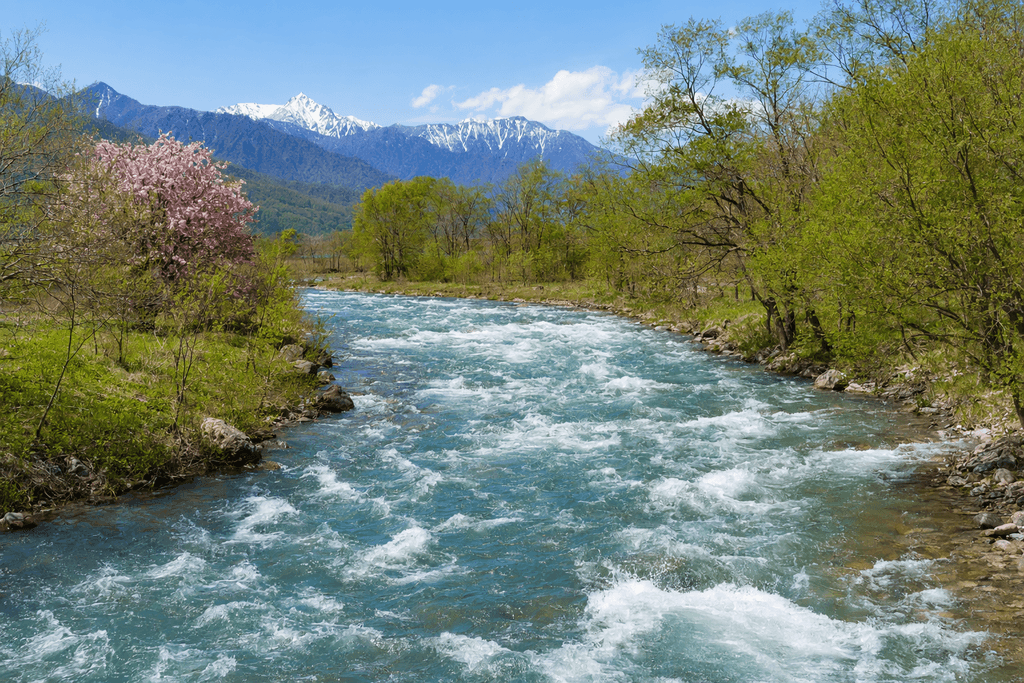
河
河
河
河
Explanation
河
河
河
地表天然水流的通道 / 規模較大的河流
( romanization )
( hiragana )
たびたび
屢次
たびたび
屢次
Explanation
屢次
たびたび
經常;頻繁地 / 屢次;一再 / 多次

( romanization )
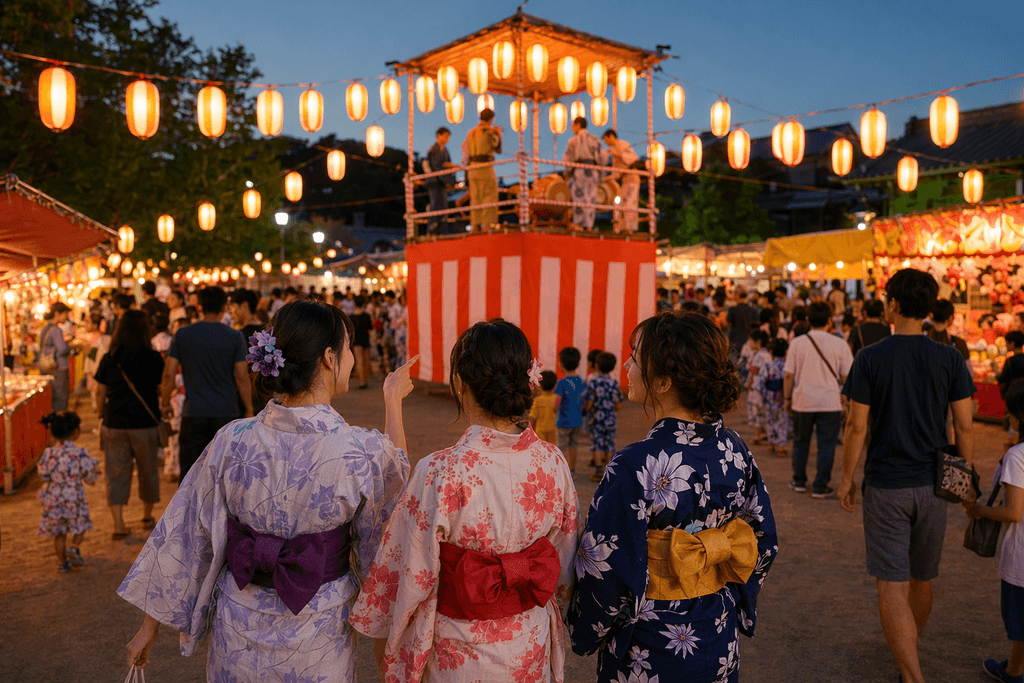
祭
節慶
祭
節慶
Explanation
祭
節慶
祭
節慶 / 祭典 / 慶典
Loading...

JLPT N3 多言語単語帳・1677語 / JLPT N3 Multilingual Vocabulary: 1677 Words

Jonathan Waller 氏の JLPT Resources の語彙リスト・レベル分類を出典とし、CC BY の条件に従って DiQt が学習者向けに意味を作り直した1677語の単語帳です。JLPT公式の語彙リストではありません。
This collection of 1677 words is based on the vocabulary list and level classifications in Jonathan Waller’s JLPT Resources under CC BY, with meanings rewritten by DiQt for learners. It is not an official JLPT vocabulary list.
Key Operations
Select the first quiz:
Ctrl + Enter
View Explanation:Ctrl + G
Close a feedback:Esc
When selecting a quiz
Answer:Enter
Select a choice:↓ or ↑
Reading out the question:Ctrl + K
View Hint: Ctrl + M
I don't know: Ctrl + Y



