
JLPT N3 詞義四選一 - Unsolved

透過四選一題目,用繁體中文學習JLPT N3的1677個單字詞義。
-
立場
-
一種
-
垃圾
-
痕跡 / 遺跡
-
呼吸
-
刺激
-
支撐
-
適合
-
確認
-
適用
-
發育 / 發展
-
自動運轉
-
奇怪
-
聰明的
-
完全
-
啊 / 喔
-
不
-
唉 / 什麼
-
文書工作
-
同事
-
考試及格
-
單位 / 學分
-
打字機
-
討論
-
企業
-
關節 / 曲調
-
極限
-
風格 / 身材
-
化妝
-
作業
集まり
聚會
集まり
聚會
Explanation
集まり
聚會
集まり
聚會;集會 / 集合;聚集 / 集合物;收集到的東西

( Base form )
( romanization )
徹夜
通宵
徹夜
通宵
Explanation
徹夜
通宵
徹夜
通宵 / 整夜不睡 / 守靈

( Base form )
( romanization )
( hiragana )
積もる
堆積
積もる
堆積
Explanation
積もる
堆積
積もる
堆積 / 累積

Word Forms
The basic and commonly used forms of this verb.
Basic forms
| Form | Word form | Usage |
|---|---|---|
| Imperfective form (mizenkei) | Connects to endings such as nai, reru, and seru. | |
| Continuative form (renyokei) | Connects to endings such as masu, tai, and ta. | |
| Conclusive form (shushikei) | Ends a sentence and serves as the dictionary form. | |
| Attributive form (rentaikei) | Modifies a noun. | |
| Conditional form (kateikei) | Combines with ba to express a condition. | |
| Imperative form (meireikei) | Expresses a command or instruction. |
Common forms
実現
實現
実現
實現
Explanation
実現
實現
実現
實現 / 達成 / 具體化

( Base form )
( romanization )
( kyūjitai )
( hiragana )
貴重
珍貴
貴重
珍貴
Explanation
貴重
珍貴
貴重
珍貴的 / 有價值的 / 值得珍惜的

Word Forms
The basic and commonly used forms of this adjectival noun.
Basic forms
| Form | Word form | Usage |
|---|---|---|
| Imperfective form (mizenkei) | Used in forms such as darou. | |
| Continuative form (renyokei) |
Alternative:
貴重に
|
Used with de or ni. |
| Conclusive form (shushikei) | Ends a sentence with da. | |
| Attributive form (rentaikei) | Modifies a noun with na. | |
| Conditional form (kateikei) | Expresses a condition with nara. | |
| Imperative form (meireikei) | Used in formal expressions such as de are. |
Common forms
すみません
對不起 / 不好意思
すみません
對不起 / 不好意思
Explanation
對不起 / 不好意思
すみません
對不起 / 不好意思 / 勞駕

( romanization )
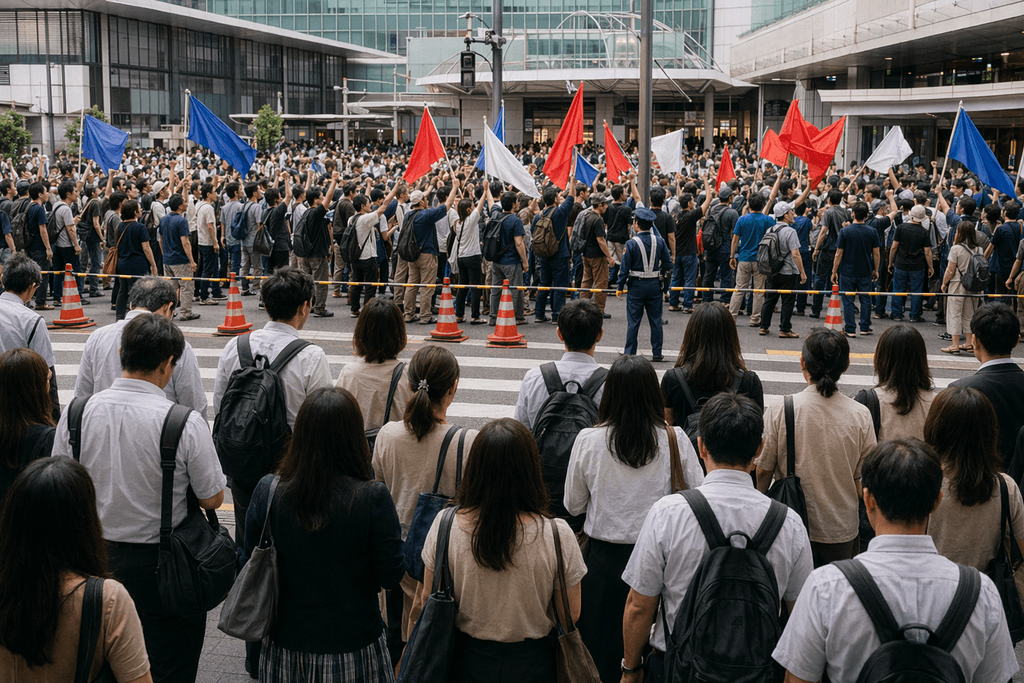
デモ
示範 / 示威
デモ
示範 / 示威
Explanation
示範 / 示威
デモ
示威;抗議活動 / 演示;示範
( romanization )
克服
克服
克服
克服
Explanation
克服
克服
克服
征服 / 戰勝 / 克服困難的過程或行為

( Base form )
( romanization )
( hiragana )
連れ
同伴
連れ
同伴
Explanation
連れ
同伴
連れ
同伴;同行者 / 夥伴 / 隨行的人

( Base form )
( romanization )
息
氣息
息
氣息
Explanation
息
氣息
息
呼吸 / 氣息 / 一口氣

( romanization )
( table-tags )
( inflection-template )
( imperfective stem )
( imperfective stem )
( continuative stem )
( continuative stem )
( stem terminative )
( stem terminative )
( attributive stem )
( attributive stem )
( hypothetical stem )
( hypothetical stem )
( Imperative stem )
( Imperative stem )
( informal negative )
( informal negative )
( informal negative )
( informal negative )
( informal Past )
( informal Past )
( informal negative Past )
( informal negative Past )
( informal negative Past )
( informal negative Past )
( formal )
( formal )
( formal negative )
( formal negative )
( formal negative )
( formal negative )
( formal Past )
( formal Past )
( formal negative Past )
( formal negative Past )
( formal negative Past )
( formal negative Past )
( conjunctive )
( conjunctive )
( Conditional )
( Conditional )
( Conditional Past )
( Conditional Past )
( volitional )
( volitional )
( adverbial )
( adverbial )
( noun-from-adj )
( noun-from-adj )
Loading...

JLPT N3 多言語単語帳・1677語 / JLPT N3 Multilingual Vocabulary: 1677 Words

Jonathan Waller 氏の JLPT Resources の語彙リスト・レベル分類を出典とし、CC BY の条件に従って DiQt が学習者向けに意味を作り直した1677語の単語帳です。JLPT公式の語彙リストではありません。
This collection of 1677 words is based on the vocabulary list and level classifications in Jonathan Waller’s JLPT Resources under CC BY, with meanings rewritten by DiQt for learners. It is not an official JLPT vocabulary list.
Key Operations
Select the first quiz:
Ctrl + Enter
View Explanation:Ctrl + G
Close a feedback:Esc
When selecting a quiz
Answer:Enter
Select a choice:↓ or ↑
Reading out the question:Ctrl + K
View Hint: Ctrl + M
I don't know: Ctrl + Y



