
JLPT N3 詞義四選一 - Unsolved

透過四選一題目,用繁體中文學習JLPT N3的1677個單字詞義。
-
時間 / 時候
-
會員
-
物價
-
不久
-
多少
-
任何東西
-
聖誕節
-
地球
-
歐洲
-
景色
-
條件
-
關聯
-
吠叫 / 咆哮
-
藏起來
-
穿鞋 / 穿褲子
-
身高
-
百分比
-
監督 / 導演
-
下沉 / 心情低落
-
察覺
-
延長 / 拉伸
-
棟
-
公斤 / 公里
-
一對
-
客廳
-
表面 / 方面
-
國語 / 日語
-
裝滿 / 縮短
-
佔據 / 佔
-
陳述
維持
維持
維持
維持
Explanation
維持
維持
維持
維護與保養 / 保持原狀、維持現狀 / 維持運作的管理

( Base form )
( romanization )
( romanization )
( hiragana historical )
( hiragana )
そのまま
原樣
そのまま
原樣
Explanation
原樣
そのまま
照原樣 / 保持原狀 / 不加修改地

( romanization )
日本
日本
日本
日本
Explanation
日本
日本
日本
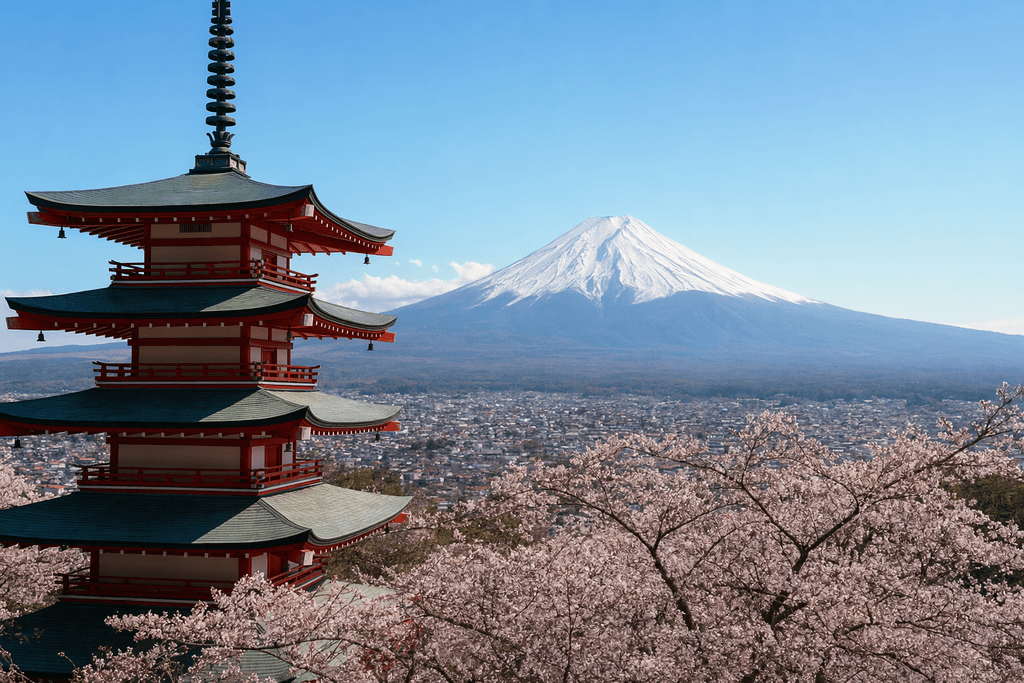
東亞的島國 / 日本國的通稱
( Base form )
( romanization )
( hiragana )
進学
升學
進学
升學
Explanation
進学
升學
進学
升學 / 進入下一階段的學校(多指上大學) / 繼續就讀更高層級的學校

( Base form )
( romanization )
( hiragana )
溺れる
溺水 / 沉溺
溺れる
溺水 / 沉溺
Explanation
溺れる
溺水 / 沉溺
溺れる
溺水 / 差點溺水 / 沉溺於某事、過度沉迷

Word Forms
The basic and commonly used forms of this verb.
Basic forms
| Form | Word form | Usage |
|---|---|---|
| Imperfective form (mizenkei) | Connects to endings such as nai, reru, and seru. | |
| Continuative form (renyokei) | Connects to endings such as masu, tai, and ta. | |
| Conclusive form (shushikei) | Ends a sentence and serves as the dictionary form. | |
| Attributive form (rentaikei) | Modifies a noun. | |
| Conditional form (kateikei) | Combines with ba to express a condition. | |
| Imperative form (meireikei) |
Alternative:
溺れよ
|
Expresses a command or instruction. |
Common forms
違反
違反
違反
違反
Explanation
違反
違反
違反
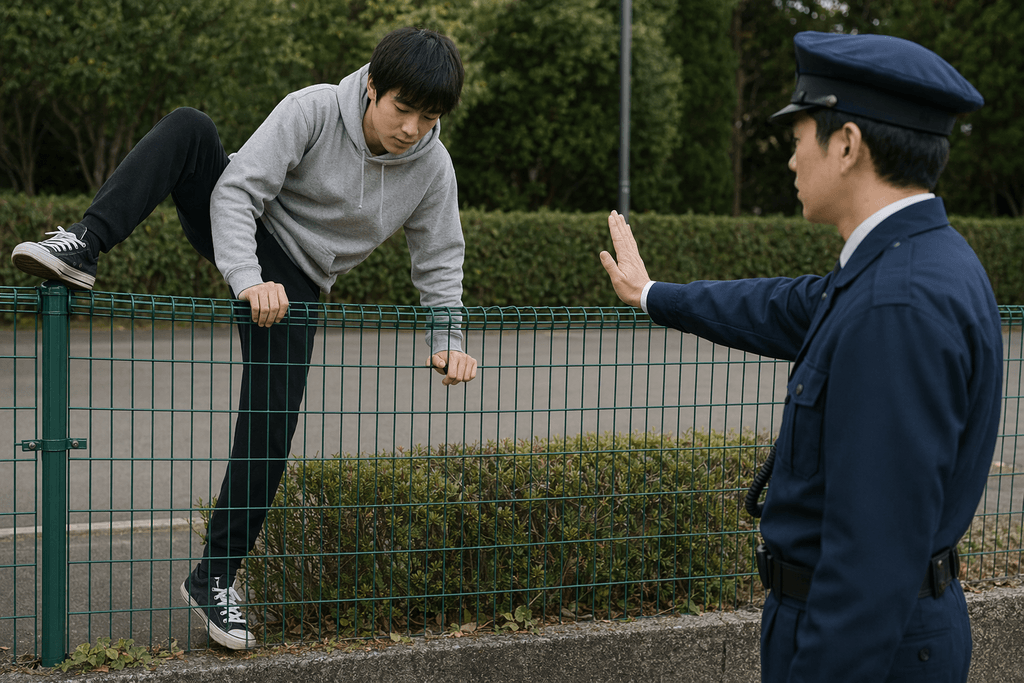
違規行為 / 違法行為 / 違背規定或規範
( Base form )
( romanization )
( romanization )
( hiragana historical )
( hiragana )
話し合う
商量
話し合う
商量
Explanation
話し合う
商量
話し合う
討論 / 商量 / 協商

Word Forms
The basic and commonly used forms of this verb.
Basic forms
| Form | Word form | Usage |
|---|---|---|
| Imperfective form (mizenkei) |
Alternative:
話し合お
|
Connects to endings such as nai, reru, and seru. |
| Continuative form (renyokei) | Connects to endings such as masu, tai, and ta. | |
| Conclusive form (shushikei) | Ends a sentence and serves as the dictionary form. | |
| Attributive form (rentaikei) | Modifies a noun. | |
| Conditional form (kateikei) | Combines with ba to express a condition. | |
| Imperative form (meireikei) | Expresses a command or instruction. |
Common forms
度
度 / 次
度
度 / 次
Explanation
度
度 / 次
度
次 / 次數 / 回

( romanization )
( hiragana )
拡大
擴大
拡大
擴大
Explanation
拡大
擴大
拡大
放大 / 擴大 / 增加

( Base form )
( romanization )
( kyūjitai )
( hiragana )
収める
收好 / 取得
収める
收好 / 取得
Explanation
収める
收好 / 取得
収める
繳納;奉納 / 收納;交付;供應;放回原處 / 完成;結束;取得成果

Word Forms
The basic and commonly used forms of this verb.
Basic forms
| Form | Word form | Usage |
|---|---|---|
| Imperfective form (mizenkei) | Connects to endings such as nai, reru, and seru. | |
| Continuative form (renyokei) | Connects to endings such as masu, tai, and ta. | |
| Conclusive form (shushikei) | Ends a sentence and serves as the dictionary form. | |
| Attributive form (rentaikei) | Modifies a noun. | |
| Conditional form (kateikei) | Combines with ba to express a condition. | |
| Imperative form (meireikei) |
Alternative:
収めよ
|
Expresses a command or instruction. |
Common forms
Loading...

JLPT N3 多言語単語帳・1677語 / JLPT N3 Multilingual Vocabulary: 1677 Words

Jonathan Waller 氏の JLPT Resources の語彙リスト・レベル分類を出典とし、CC BY の条件に従って DiQt が学習者向けに意味を作り直した1677語の単語帳です。JLPT公式の語彙リストではありません。
This collection of 1677 words is based on the vocabulary list and level classifications in Jonathan Waller’s JLPT Resources under CC BY, with meanings rewritten by DiQt for learners. It is not an official JLPT vocabulary list.
Key Operations
Select the first quiz:
Ctrl + Enter
View Explanation:Ctrl + G
Close a feedback:Esc
When selecting a quiz
Answer:Enter
Select a choice:↓ or ↑
Reading out the question:Ctrl + K
View Hint: Ctrl + M
I don't know: Ctrl + Y



