
JLPT N3 詞義四選一 - Unsolved

透過四選一題目,用繁體中文學習JLPT N3的1677個單字詞義。
-
配送
-
七
-
影子
-
出版
-
比較
-
活力
-
價格
-
當代
-
活動
-
提出討論 / 沒收
-
喜愛
-
責罵
- 「食う」は口語的・粗野な響きのある五段活用動詞。
- 未然形は「食わ」(否定接続)と「食お」(意志・推量接続)がある。
- 連用形は「食い」(ます接続など)と、促音便形「食っ」(て・た接続)がある。
-
首先
-
大大地
-
偶然
-
現狀
-
湯
-
真品
-
取下 / 解開
-
邀請 / 誘惑
-
到達
-
那一瞬間
-
成功
-
區別
-
牛奶
-
廂型車
-
秘密
-
懷疑 / 猜疑
-
違抗 / 逆著
-
邀請 / 招致
論文
學術論文
論文
學術論文
Explanation
論文
學術論文
論文
學術論文 / 學位論文 / 期刊文章

( Base form )
( romanization )
( hiragana )
舞台
舞臺
舞台
舞臺
Explanation
舞台
舞臺
舞台
劇院中演員表演的平台 / 故事或作品的發生場景、背景

( Base form )
( romanization )
( kyūjitai )
( hiragana )
宝石
寶石
宝石
寶石
Explanation
宝石
寶石
宝石
珍貴的天然礦物或岩石,用於首飾與裝飾 / 切磨拋光後的貴重石材

( Base form )
( romanization )
( kyūjitai )
( hiragana )
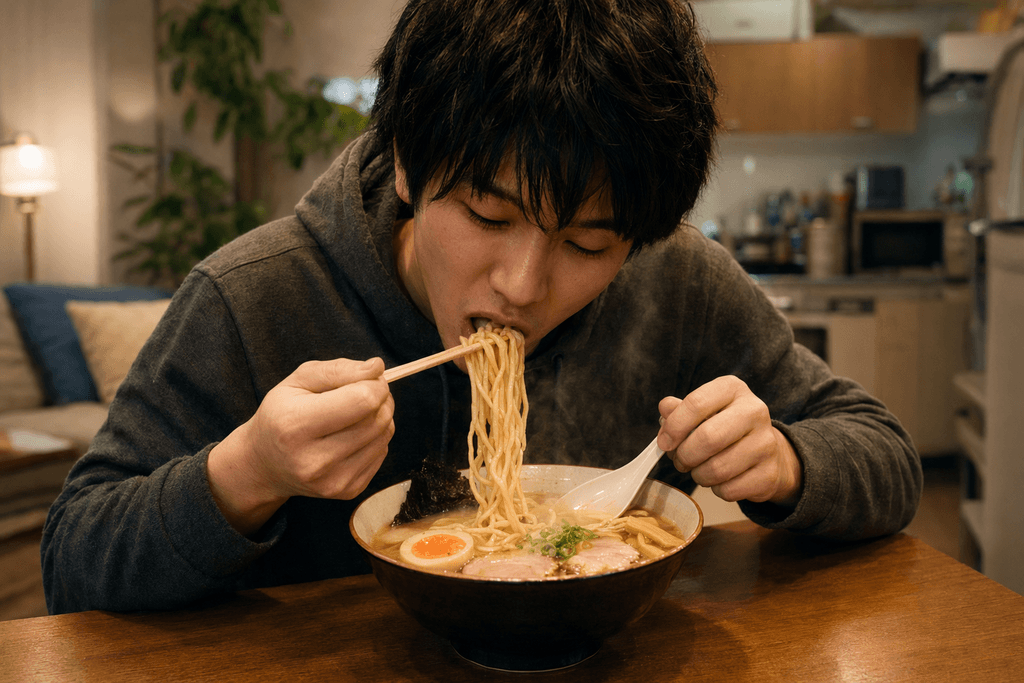
食う
吃
食う
吃
Explanation
食う
吃
食う
吃;大吃(粗俗) / 謀生;糊口;維生 / 戲弄;嘲諷;折磨
Word Forms
The basic and commonly used forms of this verb.
Basic forms
| Form | Word form | Usage |
|---|---|---|
| Imperfective form (mizenkei) |
Alternative:
食お
|
Connects to endings such as nai, reru, and seru. |
| Continuative form (renyokei) |
Alternative:
食っ
|
Connects to endings such as masu, tai, and ta. |
| Conclusive form (shushikei) | Ends a sentence and serves as the dictionary form. | |
| Attributive form (rentaikei) | Modifies a noun. | |
| Conditional form (kateikei) | Combines with ba to express a condition. | |
| Imperative form (meireikei) | Expresses a command or instruction. |
Common forms
| Form | Word form | Usage |
|---|---|---|
| Te-form | Connects clauses with te. | |
| Ta-form | Expresses the past with ta. | |
| Nai-form | Expresses negation with nai. | |
| Masu-form | Used for polite speech. | |
| Ba-form | Expresses a condition with ba. | |
| Volitional form | Expresses intention or invitation. |
Notes
しきりに
頻頻
しきりに
頻頻
Explanation
頻頻
しきりに
頻繁地 / 反覆地 / 不斷地

( romanization )
意志
意志
意志
意志
Explanation
意志
意志
意志
主觀的意向或決心 / 作出選擇並付諸行動的心理傾向

( Base form )
( romanization )
( hiragana )
含む
包含 / 含在嘴裡
含む
包含 / 含在嘴裡
Explanation
含む
包含 / 含在嘴裡
含む
包含 / 含有 / 隱含
Word Forms
The basic and commonly used forms of this verb.
Basic forms
| Form | Word form | Usage |
|---|---|---|
| Imperfective form (mizenkei) |
Alternative:
含も
|
Connects to endings such as nai, reru, and seru. |
| Continuative form (renyokei) | Connects to endings such as masu, tai, and ta. | |
| Conclusive form (shushikei) | Ends a sentence and serves as the dictionary form. | |
| Attributive form (rentaikei) | Modifies a noun. | |
| Conditional form (kateikei) | Combines with ba to express a condition. | |
| Imperative form (meireikei) | Expresses a command or instruction. |
Common forms
笑顔
笑容
笑顔
笑容
Explanation
笑顔
笑容
笑顔
笑容 / 笑臉 / 微笑的表情

( Base form )
( romanization )
( romanization )
( hiragana historical )
( hiragana )
万一
萬一
万一
萬一
Explanation
万一
萬一
万一
極罕見的情況 / 不測或意外的狀況 / 萬分之一(指極小機率)

( Base form )
( romanization )
( kyūjitai )
( hiragana )
飽きる
厭倦
飽きる
厭倦
Explanation
飽きる
厭倦
飽きる
厭倦;厭煩 / 覺得無聊 / 受夠了

Word Forms
The basic and commonly used forms of this verb.
Basic forms
| Form | Word form | Usage |
|---|---|---|
| Imperfective form (mizenkei) | Connects to endings such as nai, reru, and seru. | |
| Continuative form (renyokei) | Connects to endings such as masu, tai, and ta. | |
| Conclusive form (shushikei) | Ends a sentence and serves as the dictionary form. | |
| Attributive form (rentaikei) | Modifies a noun. | |
| Conditional form (kateikei) | Combines with ba to express a condition. | |
| Imperative form (meireikei) |
Alternative:
飽きよ
|
Expresses a command or instruction. |
Common forms
Loading...

JLPT N3 多言語単語帳・1677語 / JLPT N3 Multilingual Vocabulary: 1677 Words

Jonathan Waller 氏の JLPT Resources の語彙リスト・レベル分類を出典とし、CC BY の条件に従って DiQt が学習者向けに意味を作り直した1677語の単語帳です。JLPT公式の語彙リストではありません。
This collection of 1677 words is based on the vocabulary list and level classifications in Jonathan Waller’s JLPT Resources under CC BY, with meanings rewritten by DiQt for learners. It is not an official JLPT vocabulary list.
Key Operations
Select the first quiz:
Ctrl + Enter
View Explanation:Ctrl + G
Close a feedback:Esc
When selecting a quiz
Answer:Enter
Select a choice:↓ or ↑
Reading out the question:Ctrl + K
View Hint: Ctrl + M
I don't know: Ctrl + Y



