
JLPT N3 詞義四選一 - Unsolved

透過四選一題目,用繁體中文學習JLPT N3的1677個單字詞義。
-
身高
-
通訊
-
女演員
-
指導
-
痕跡 / 遺跡
-
平均值
-
微笑
-
期望 / 遠眺
-
顯露
-
朝向
-
服從 / 跟隨
-
遜色
- 「抱く」は「いだく」「だく」の読みがある五段活用カ行動詞。
-
情緒
-
發表
-
行動 / 行為
-
妻子 / 夫人
-
舞台劇
-
城市
-
珍貴
-
奇怪
-
粗劣 / 簡陋
-
慶祝 / 祝賀
-
煩惱
-
握住
- サ行五段活用の動詞。
-
工程師
-
土壤
-
註釋
-
市集
-
會議
-
錯誤
光景
景象
光景
景象
Explanation
光景
景象
光景
景象 / 情景 / 景色

( Base form )
( romanization )
( hiragana )
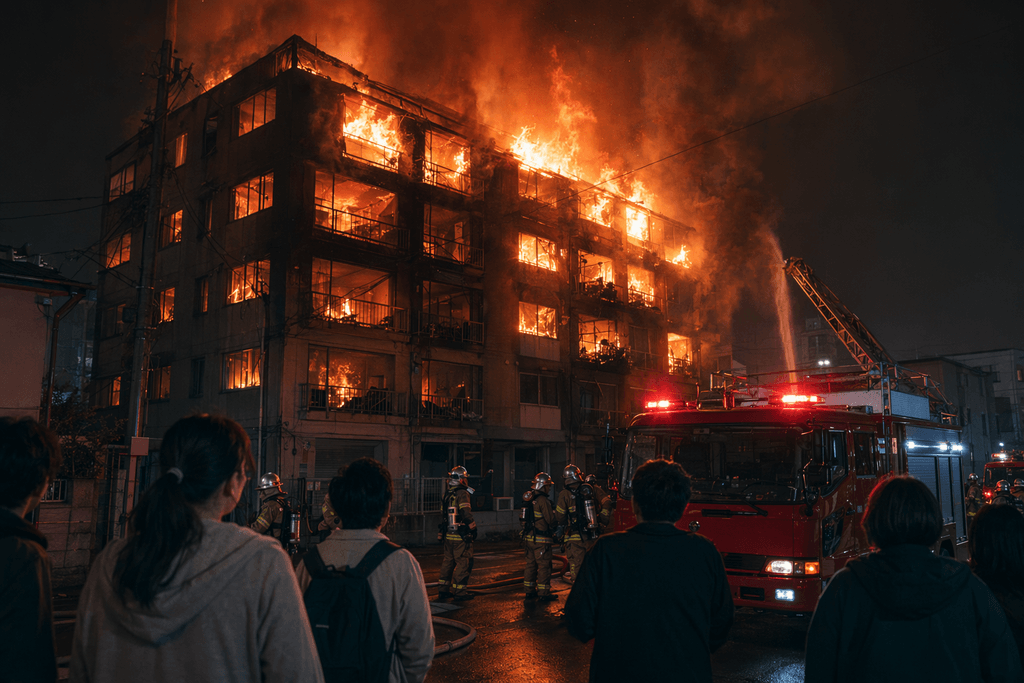
火災
火災
火災
火災
Explanation
火災
火災
火災
火災;大火造成的災害 / 佛教:三災之一,劫火毀滅世界
( Base form )
( romanization )
( romanization )
( hiragana historical )
( hiragana )
当てる
擊中 / 貼上
当てる
擊中 / 貼上
Explanation
当てる
擊中 / 貼上
当てる
撞到、擊中 / 貼靠、按在…上 / 猜中、選對

Word Forms
The basic and commonly used forms of this verb.
Basic forms
| Form | Word form | Usage |
|---|---|---|
| Imperfective form (mizenkei) | Connects to endings such as nai, reru, and seru. | |
| Continuative form (renyokei) | Connects to endings such as masu, tai, and ta. | |
| Conclusive form (shushikei) | Ends a sentence and serves as the dictionary form. | |
| Attributive form (rentaikei) | Modifies a noun. | |
| Conditional form (kateikei) | Combines with ba to express a condition. | |
| Imperative form (meireikei) |
Alternative:
当てよ
|
Expresses a command or instruction. |
Common forms
抱く
擁抱 / 懷有
抱く
擁抱 / 懷有
Explanation
抱く
擁抱 / 懷有
抱く
擁抱;抱在懷裡 / 與人上床(委婉) / 坐巢孵蛋(鳥)

Word Forms
The basic and commonly used forms of this verb.
Basic forms
| Form | Word form | Usage |
|---|---|---|
| Imperfective form (mizenkei) |
Alternative:
抱こ
|
Connects to endings such as nai, reru, and seru. |
| Continuative form (renyokei) | Connects to endings such as masu, tai, and ta. | |
| Conclusive form (shushikei) | Ends a sentence and serves as the dictionary form. | |
| Attributive form (rentaikei) | Modifies a noun. | |
| Conditional form (kateikei) | Combines with ba to express a condition. | |
| Imperative form (meireikei) | Expresses a command or instruction. |
Common forms
| Form | Word form | Usage |
|---|---|---|
| Te-form | Connects clauses with te. | |
| Ta-form | Expresses the past with ta. | |
| Nai-form | Expresses negation with nai. | |
| Masu-form | Used for polite speech. | |
| Ba-form | Expresses a condition with ba. | |
| Volitional form | Expresses intention or invitation. |
Notes
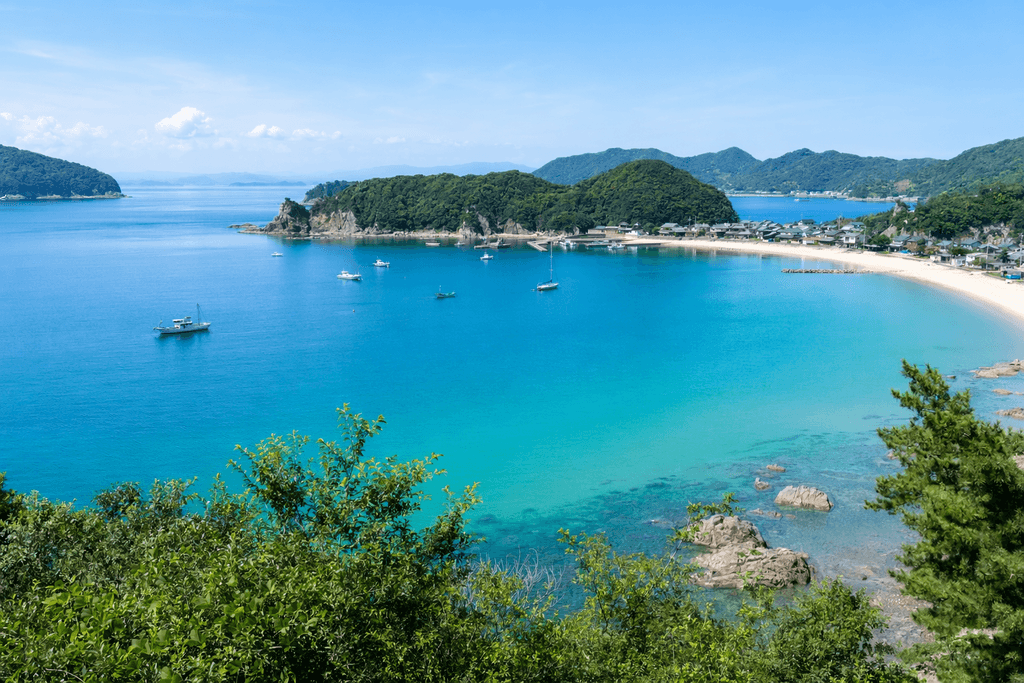
湾
海灣
湾
海灣
Explanation
湾
海灣
湾
灣 / 海灣 / 入海水道
( romanization )
( hiragana )
裸
裸體
裸
裸體
Explanation
裸
裸體
裸
裸體 / 赤裸 / 裸身
( romanization )
( hiragana )
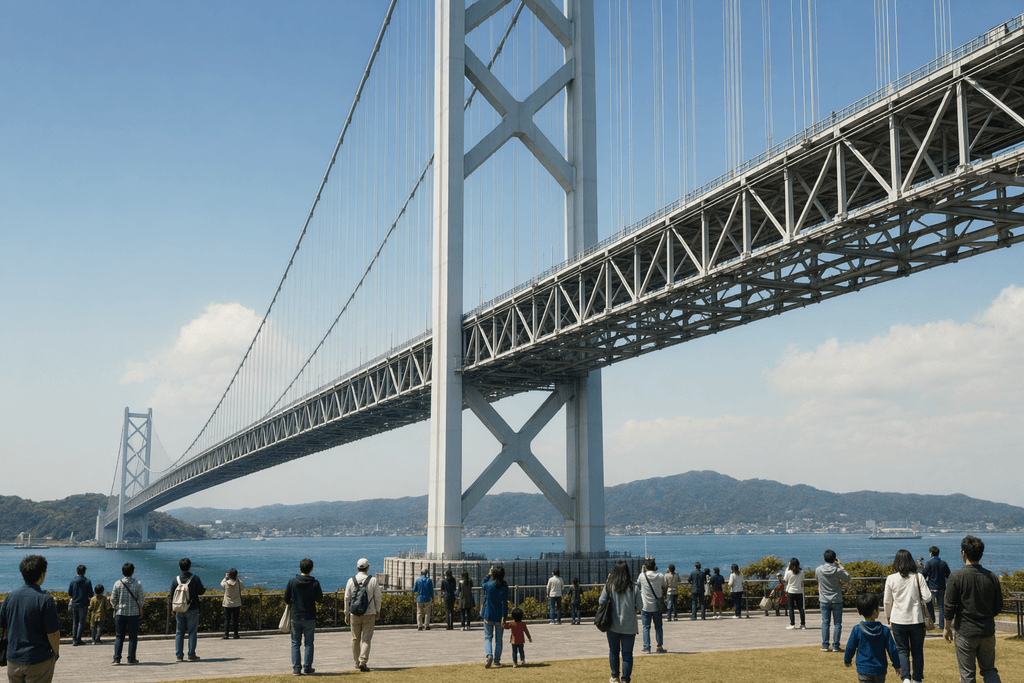
巨大
巨大
巨大
巨大
Explanation
巨大
巨大
巨大
巨大的 / 龐大的 / 非常大的
Word Forms
The basic and commonly used forms of this adjectival noun.
Basic forms
| Form | Word form | Usage |
|---|---|---|
| Imperfective form (mizenkei) | Used in forms such as darou. | |
| Continuative form (renyokei) |
Alternative:
巨大に
|
Used with de or ni. |
| Conclusive form (shushikei) | Ends a sentence with da. | |
| Attributive form (rentaikei) | Modifies a noun with na. | |
| Conditional form (kateikei) | Expresses a condition with nara. | |
| Imperative form (meireikei) | Used in formal expressions such as de are. |
Common forms
現す
顯露
現す
顯露
Explanation
現す
顯露
現す
顯現 / 顯露 / 顯示

Word Forms
The basic and commonly used forms of this verb.
Basic forms
| Form | Word form | Usage |
|---|---|---|
| Imperfective form (mizenkei) |
Alternative:
現そ
|
Connects to endings such as nai, reru, and seru. |
| Continuative form (renyokei) | Connects to endings such as masu, tai, and ta. | |
| Conclusive form (shushikei) | Ends a sentence and serves as the dictionary form. | |
| Attributive form (rentaikei) | Modifies a noun. | |
| Conditional form (kateikei) | Combines with ba to express a condition. | |
| Imperative form (meireikei) | Expresses a command or instruction. |
Common forms
| Form | Word form | Usage |
|---|---|---|
| Te-form | Connects clauses with te. | |
| Ta-form | Expresses the past with ta. | |
| Nai-form | Expresses negation with nai. | |
| Masu-form | Used for polite speech. | |
| Ba-form | Expresses a condition with ba. | |
| Volitional form | Expresses intention or invitation. |
Notes
セット
套組
セット
套組
Explanation
套組
セット
一套 / 一組 / 組合

( romanization )
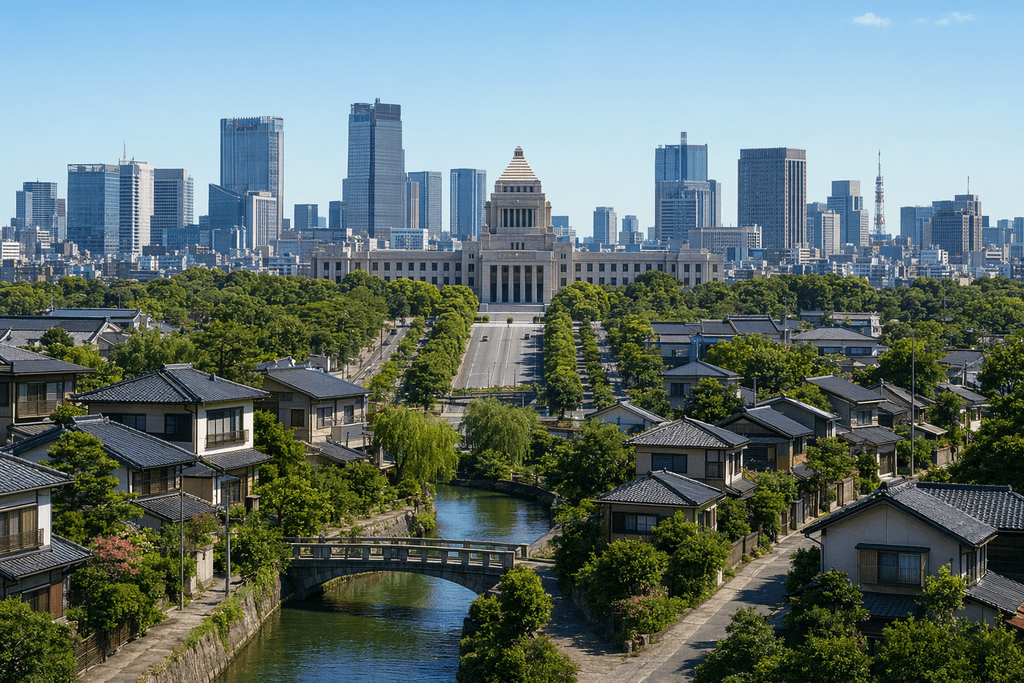
首都
首都
首都
首都
Explanation
首都
首都
首都
國家政府所在地的主要城市 / 國家的政治中心城市
( Base form )
( romanization )
( hiragana )
Loading...

JLPT N3 多言語単語帳・1677語 / JLPT N3 Multilingual Vocabulary: 1677 Words

Jonathan Waller 氏の JLPT Resources の語彙リスト・レベル分類を出典とし、CC BY の条件に従って DiQt が学習者向けに意味を作り直した1677語の単語帳です。JLPT公式の語彙リストではありません。
This collection of 1677 words is based on the vocabulary list and level classifications in Jonathan Waller’s JLPT Resources under CC BY, with meanings rewritten by DiQt for learners. It is not an official JLPT vocabulary list.
Key Operations
Select the first quiz:
Ctrl + Enter
View Explanation:Ctrl + G
Close a feedback:Esc
When selecting a quiz
Answer:Enter
Select a choice:↓ or ↑
Reading out the question:Ctrl + K
View Hint: Ctrl + M
I don't know: Ctrl + Y



