
JLPT N3 詞義四選一 - Unsolved

透過四選一題目,用繁體中文學習JLPT N3的1677個單字詞義。
-
判斷
-
繩子
-
邊界
-
長進
-
職責
-
家庭主婦
-
有利的
-
喜好
-
思想
-
塔
-
關注
-
混亂
-
觸碰 / 提及
-
喚醒
-
邀請 / 誘惑
-
義務
-
相反
-
服裝
-
煩躁
-
年底 / 黃昏
-
圖書
-
僱用
-
離開 / 相隔
-
使用
-
損失
-
出口
-
食物
-
不擅長 / 不喜歡
-
重要
-
重大
態度
態度
態度
態度
Explanation
態度
態度
態度
對事物的看法與立場 / 行為舉止的方式;風度

( Base form )
( romanization )
( hiragana )
科目
學科
科目
學科
Explanation
科目
學科
科目
學校的課程或學科 / 按類別劃分的項目 / 會計科目、報表項目

( Base form )
( romanization )
( hiragana )
街
城鎮 / 街道
街
城鎮 / 街道
Explanation
街
城鎮 / 街道
街
城鎮 / 市街 / 街區

( romanization )
( hiragana )
保証
保證
保証
保證
Explanation
保証
保證
保証
保證;保障 / 產品保固 / 法律上的擔保或責任承擔
( Base form )
( romanization )
( kyūjitai )
( hiragana )
怠ける
偷懶
怠ける
偷懶
Explanation
怠ける
偷懶
怠ける
偷懶 / 打混 / 懈怠

Word Forms
The basic and commonly used forms of this verb.
Basic forms
| Form | Word form | Usage |
|---|---|---|
| Imperfective form (mizenkei) | Connects to endings such as nai, reru, and seru. | |
| Continuative form (renyokei) | Connects to endings such as masu, tai, and ta. | |
| Conclusive form (shushikei) | Ends a sentence and serves as the dictionary form. | |
| Attributive form (rentaikei) | Modifies a noun. | |
| Conditional form (kateikei) | Combines with ba to express a condition. | |
| Imperative form (meireikei) |
Alternative:
怠けよ
|
Expresses a command or instruction. |
Common forms
景気
經濟景氣
景気
經濟景氣
Explanation
景気
經濟景氣
景気
經濟景況 / 商業景氣 / 經濟繁榮程度

( Base form )
( romanization )
( kyūjitai )
( hiragana )
博士
學者 / 博士
博士
學者 / 博士
Explanation
博士
學者 / 博士
博士
古代朝廷的學官 / 取得博士學位的人 / 專家
( Base form )
( romanization )
( hiragana )
劣る
遜色
劣る
遜色
Explanation
劣る
遜色
劣る
不如;遜色 / 較差;較劣 / 不擅長

Word Forms
The basic and commonly used forms of this verb.
Basic forms
| Form | Word form | Usage |
|---|---|---|
| Imperfective form (mizenkei) |
Alternative:
劣ろ
|
Connects to endings such as nai, reru, and seru. |
| Continuative form (renyokei) | Connects to endings such as masu, tai, and ta. | |
| Conclusive form (shushikei) | Ends a sentence and serves as the dictionary form. | |
| Attributive form (rentaikei) | Modifies a noun. | |
| Conditional form (kateikei) | Combines with ba to express a condition. | |
| Imperative form (meireikei) | Expresses a command or instruction. |
Common forms
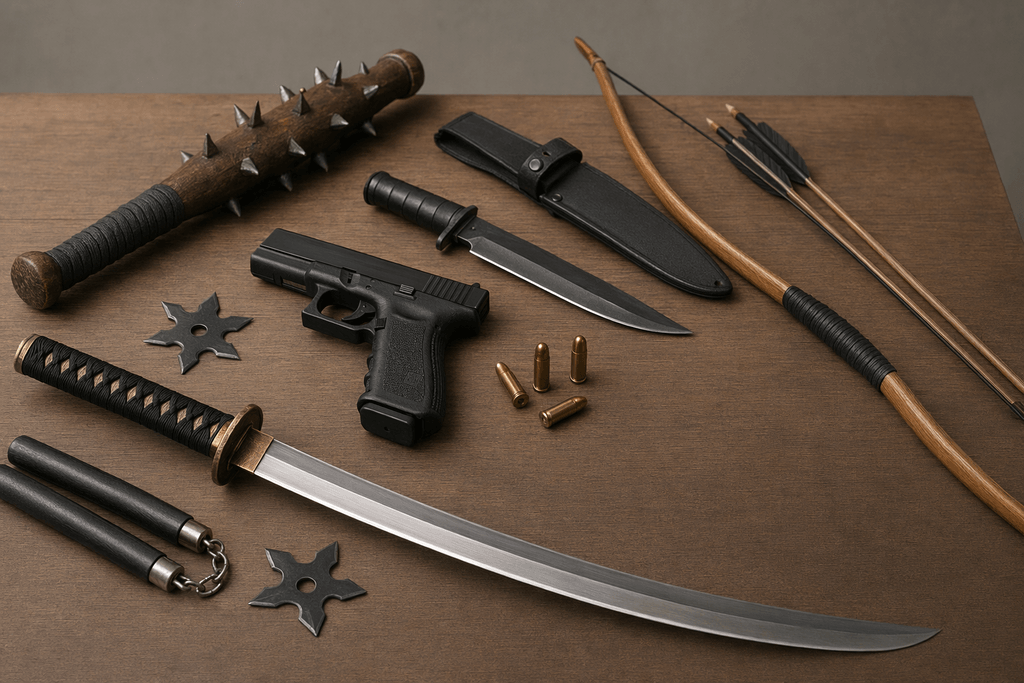
武器
武器
武器
武器
Explanation
武器
武器
武器
武力與戰鬥所用的器具或裝備 / 兵器的總稱 / 比喻用來達成目的的手段
( Base form )
( romanization )
( hiragana )
明確
明確的
明確
明確的
Explanation
明確
明確的
明確
清楚的 / 明白而確定的 / 精確的

Word Forms
The basic and commonly used forms of this adjectival noun.
Basic forms
| Form | Word form | Usage |
|---|---|---|
| Imperfective form (mizenkei) |
Alternative:
明確でしょ
|
Used in forms such as darou. |
| Continuative form (renyokei) |
Alternative:
明確に
|
Used with de or ni. |
| Conclusive form (shushikei) |
Alternative:
明確です
|
Ends a sentence with da. |
| Attributive form (rentaikei) |
Alternative:
明確なる
|
Modifies a noun with na. |
| Conditional form (kateikei) |
Alternative:
明確であれば
|
Expresses a condition with nara. |
| Imperative form (meireikei) | Used in formal expressions such as de are. |
Common forms
Loading...

JLPT N3 多言語単語帳・1677語 / JLPT N3 Multilingual Vocabulary: 1677 Words

Jonathan Waller 氏の JLPT Resources の語彙リスト・レベル分類を出典とし、CC BY の条件に従って DiQt が学習者向けに意味を作り直した1677語の単語帳です。JLPT公式の語彙リストではありません。
This collection of 1677 words is based on the vocabulary list and level classifications in Jonathan Waller’s JLPT Resources under CC BY, with meanings rewritten by DiQt for learners. It is not an official JLPT vocabulary list.
Key Operations
Select the first quiz:
Ctrl + Enter
View Explanation:Ctrl + G
Close a feedback:Esc
When selecting a quiz
Answer:Enter
Select a choice:↓ or ↑
Reading out the question:Ctrl + K
View Hint: Ctrl + M
I don't know: Ctrl + Y



