
JLPT N1 වචන අර්ථ පුහුණුව - Unsolved

පිළිතුරු විකල්ප හතරක් ඇති ප්රශ්න මඟින් JLPT N1 වචන 3032ක අර්ථ සිංහලෙන් ඉගෙන ගන්න.
-
වමත්කාරයා
-
පළමුවර ඇසූ පුවත
-
අනාථ දරුවා
-
දෛවය
-
සංක්ෂිප්ත බව
-
නිහඬ ස්වභාවය
-
මුහුදු බෙලි කටුව
-
විප්ලවය
-
විචාර බුද්ධිය
-
ජවය
-
විරෝධය
-
දුර්වල අස්වැන්න
-
ප්රසිද්ධ
-
අත ළඟ
-
කහ පැහැති
- 「大袈裟」のかな交じり表記。
-
අනුකූල වෙනවා
-
දැඩි කරනවා / තහවුරු කරනවා
-
එන්න එන්න වැඩි වෙනවා
-
වියදම්
-
රසායනික තන්තු
-
නියැදි එකතු කිරීම
-
රෙදි විවීම
-
මඩුවා
-
කරපටිය
-
අනාගත මාර්ගය / ගමන් මඟ
-
නිෂ්පාදන ක්රමය
-
කිලිටිබව
-
ඉතා ස්වල්ප
-
වැදගත්ම
-
බුරුල්
- 「気紛れ」の別表記。
経路
ගමන් මාර්ගය
経路
ගමන් මාර්ගය
Explanation
経路
ගමන් මාර්ගය
経路
මාර්ගය / ගමන්පථය / ප්රවාහ නාලිකාව
අනපේක්ෂිත තත්ත්වයන්ට සූදානම් වීම සඳහා, බහු මාර්ගයන් උපකල්පනය කරගෙන, තොරතුරු ප්රචාරණයේ බොට්ල්නෙක් (අවහිර ස්ථාන) පෙර සිටම හඳුනාගෙන තැබිය යුතුය.

( Base form )
( romanization )
( kyūjitai )
( hiragana )
介抱
රෝගියා රැකබලා ගැනීම
介抱
රෝගියා රැකබලා ගැනීම
Explanation
介抱
රෝගියා රැකබලා ගැනීම
介抱
සත්කාරය/සාත්තු කිරීම / රැකබලා ගැනීම / නර්සින්ග් (රෝගියෙකුගේ)

( Base form )
( romanization )
( romanization )
( hiragana historical )
( hiragana )
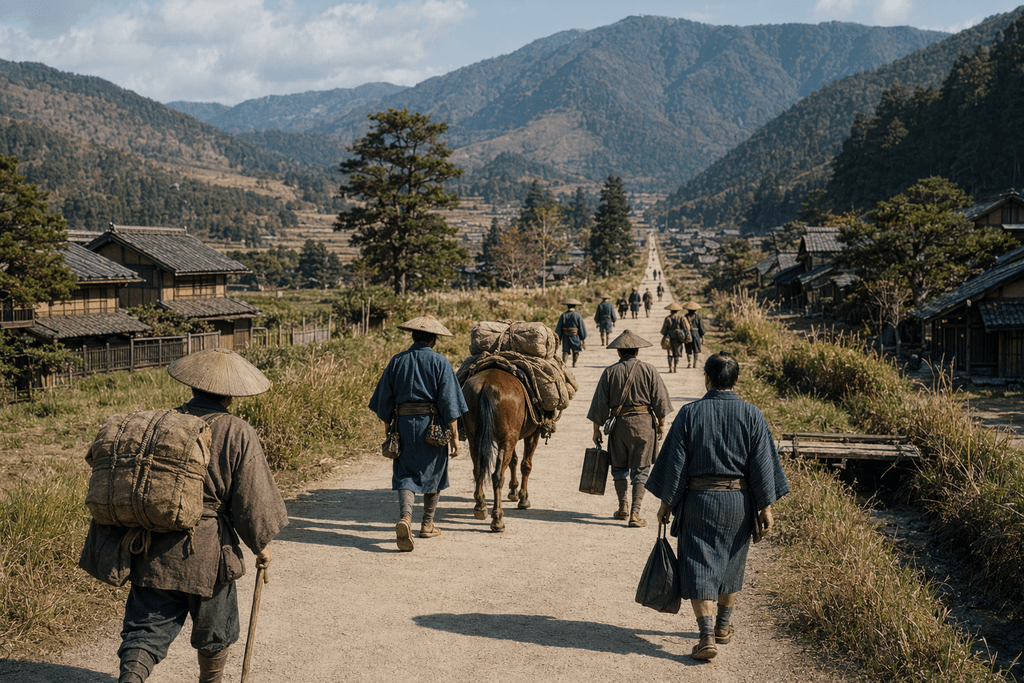
街道
ප්රධාන පාර
街道
ප්රධාන පාර
Explanation
街道
ප්රධාන පාර
街道
මහා මාර්ගය / ප්රධාන පාර / රජ මාවත
( Base form )
( romanization )
( hiragana )
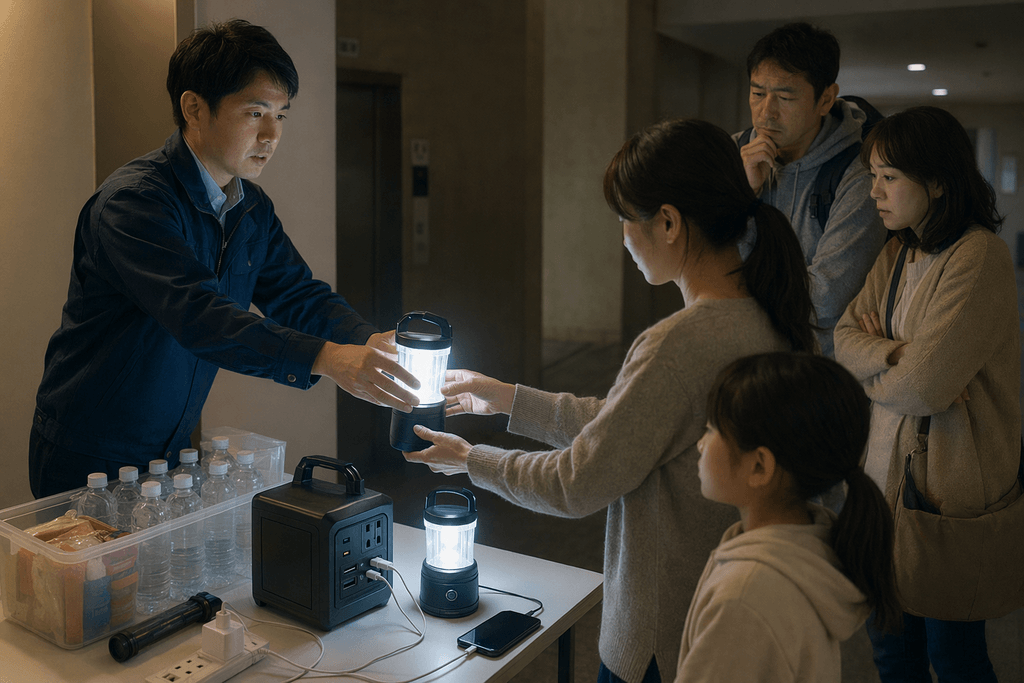
応急
හදිසි ප්රතිකාරය
応急
හදිසි ප්රතිකාරය
Explanation
応急
හදිසි ප්රතිකාරය
応急
හදිසි / තාවකාලික / හදිසි අවස්ථාව සඳහා කළ/ගත් තාවකාලික පියවර
විදුලි කප්පාදුව දිගුවීමට ඉඩ ඇති බැවින්, කළමනාකරණ කාර්යාලය හදිසි ආලෝකකරණය සහ චාජ් කිරීමේ පහසුකම් සුරක්ෂිත කරගෙන, පදිංචිකරුවන්ට පෙර සූදානම් වීමට ආරාධනා කළේය.
( Base form )
( romanization )
( romanization )
( hiragana historical )
( hiragana )
大げさ
අතිශයෝක්තියෙන් යුතු
大げさ
අතිශයෝක්තියෙන් යුතු
Explanation
大げさ
අතිශයෝක්තියෙන් යුතු
大げさ
අතිශයෝක්තිමය; අතිශය ප්රකාශිත / විශාල ලෙස පෙන්වන/අධිකරන (හැඟීම) / අනවශ්ය ලෙස අතිශය කරන

Word Forms
The basic and commonly used forms of this adjectival noun.
Basic forms
| Form | Word form | Usage |
|---|---|---|
| Imperfective form (mizenkei) |
Alternative:
大げさであろ
|
Used in forms such as darou. |
| Continuative form (renyokei) |
Alternative:
大げさに
|
Used with de or ni. |
| Conclusive form (shushikei) | Ends a sentence with da. | |
| Attributive form (rentaikei) |
Alternative:
大げさである
|
Modifies a noun with na. |
| Conditional form (kateikei) |
Alternative:
大げさであれば
|
Expresses a condition with nara. |
| Imperative form (meireikei) | Used in formal expressions such as de are. |
Common forms
| Form | Word form | Usage |
|---|---|---|
| Te-form equivalent | Connects clauses using de. | |
| Ta-form |
Alternative:
大げさでした
|
Expresses the past with datta. |
| Nai-form |
Alternative:
大げさじゃない
|
Expresses negation with dewa nai or ja nai. |
| Desu-form | Used for polite speech. |
Notes
滞る
ප්රමාද වෙනවා / ගෙවීම් හිඟ වෙනවා
滞る
ප්රමාද වෙනවා / ගෙවීම් හිඟ වෙනවා
Explanation
滞る
ප්රමාද වෙනවා / ගෙවීම් හිඟ වෙනවා
滞る
පැහැර හැරී පමාවී තිබීම / අරියරස්ව/ගෙවීම් පමාවී තිබීම / යමක් ගොඩගැසී එකතැන නවති තිබීම

Word Forms
The basic and commonly used forms of this verb.
Basic forms
| Form | Word form | Usage |
|---|---|---|
| Imperfective form (mizenkei) | Connects to endings such as nai, reru, and seru. | |
| Continuative form (renyokei) | Connects to endings such as masu, tai, and ta. | |
| Conclusive form (shushikei) | Ends a sentence and serves as the dictionary form. | |
| Attributive form (rentaikei) | Modifies a noun. | |
| Conditional form (kateikei) | Combines with ba to express a condition. | |
| Imperative form (meireikei) | Expresses a command or instruction. |
Common forms
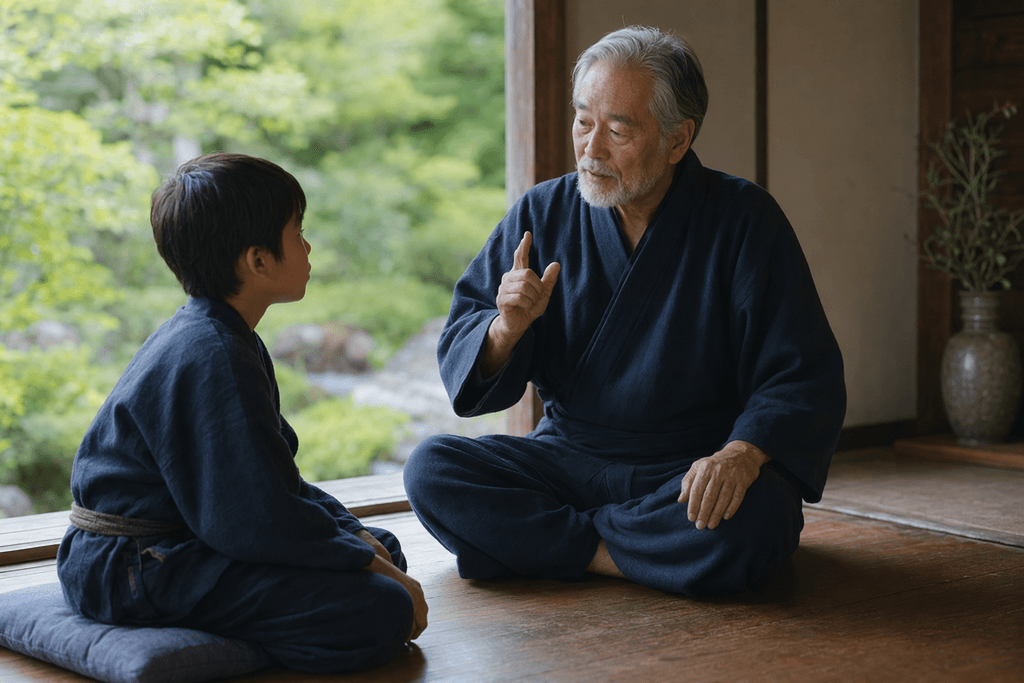
教え
ඉගැන්වීම
教え
ඉගැන්වීම
Explanation
教え
ඉගැන්වීම
教え
ඉගැන්වීම / උපදේශය
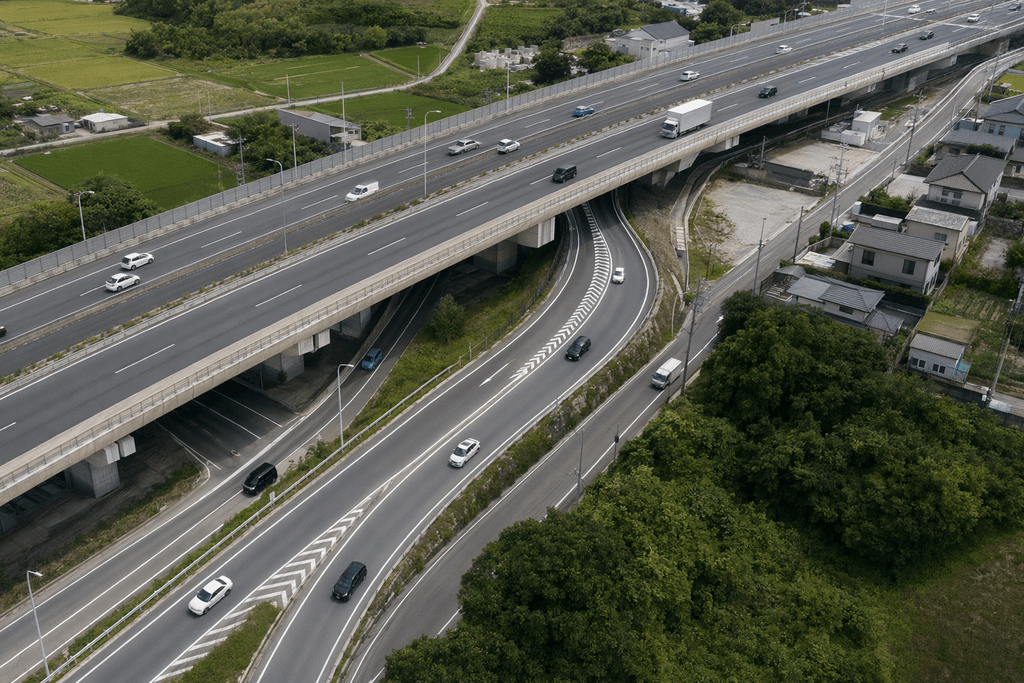
インターチェンジ
අධිවේගී මාර්ග හුවමාරුව
インターチェンジ
අධිවේගී මාර්ග හුවමාරුව
Explanation
අධිවේගී මාර්ග හුවමාරුව
インターチェンジ
අධිවේගී මාර්ගයට ඇතුල්/පිටවන සම්බන්ධක සන්ධිය / අධිවේගී මාර්ගය හා සාමාන්ය මාර්ගය සම්බන්ධ කරන හුවමාරු සන්ධිය
( romanization )
再会
නැවත හමුවීම
再会
නැවත හමුවීම
Explanation
再会
නැවත හමුවීම
再会
නැවත හමුවීම / නැවත මුණගැසීම / ප්රතිමුණගැසීම

( Base form )
( romanization )
( kyūjitai )
( hiragana )
気まぐれ
චපල
気まぐれ
චපල
Explanation
気まぐれ
චපල
気まぐれ
අස්ථිර, ඉක්මන්ව මනස වෙනස්වන (ස්වභාවය) / හදිසි කැමැත්තට හෝ මනෝභාවයට අනුව ක්රියා කරන / කප්රිසියස් / අමුතුකැමති

Word Forms
The basic and commonly used forms of this adjectival noun.
Basic forms
| Form | Word form | Usage |
|---|---|---|
| Imperfective form (mizenkei) | Used in forms such as darou. | |
| Continuative form (renyokei) |
Alternative:
気まぐれに
気まぐれだっ
|
Used with de or ni. |
| Conclusive form (shushikei) | Ends a sentence with da. | |
| Attributive form (rentaikei) | Modifies a noun with na. | |
| Conditional form (kateikei) | Expresses a condition with nara. | |
| Imperative form (meireikei) | Used in formal expressions such as de are. |
Common forms
| Form | Word form | Usage |
|---|---|---|
| Te-form equivalent | Connects clauses using de. | |
| Ta-form | Expresses the past with datta. | |
| Nai-form |
Alternative:
気まぐれじゃない
|
Expresses negation with dewa nai or ja nai. |
| Desu-form | Used for polite speech. |
Notes
Loading...

JLPT N1 多言語単語帳・3032語 / JLPT N1 Multilingual Vocabulary: 3032 Words

Jonathan Waller 氏の JLPT Resources の語彙リスト・レベル分類を出典とし、CC BY の条件に従って DiQt が学習者向けに意味を作り直した3032語の単語帳です。JLPT公式の語彙リストではありません。
This collection of 3032 words is based on the vocabulary list and level classifications in Jonathan Waller’s JLPT Resources under CC BY, with meanings rewritten by DiQt for learners. It is not an official JLPT vocabulary list.
Key Operations
Select the first quiz:
Ctrl + Enter
View Explanation:Ctrl + G
Close a feedback:Esc
When selecting a quiz
Answer:Enter
Select a choice:↓ or ↑
Reading out the question:Ctrl + K
View Hint: Ctrl + M
I don't know: Ctrl + Y



