
JLPT N1 වචන අර්ථ පුහුණුව - Unsolved

පිළිතුරු විකල්ප හතරක් ඇති ප්රශ්න මඟින් JLPT N1 වචන 3032ක අර්ථ සිංහලෙන් ඉගෙන ගන්න.
-
කුඩා සිරුරැති
-
වියළි / හැඟීම්බර නොවන
-
සහජ / සුවිශේෂී
- 表記は「嫋か」とも書くが、一般にはかな表記「しなやか」が多い。
-
රෝගය
-
ආපදාව
-
හමුදා අවි ආයුධ
-
සංසන්දනාත්මක වෙනස
-
ආර්ථික සමෘද්ධිය
-
දීමනාව / වෛද්ය සත්කාරය
-
හෝඩුවාව
-
පිරිසැකසුම
-
නව තනතුරට යාම
-
ගොවිතැන
-
අවකාශය
-
වැසි සහිත කාලගුණය
-
සැලසුම් කරනවා / උත්සාහ කරනවා
-
හසුරවනවා / වෙළඳාම් කරනවා
-
හසුරුවනවා / ක්රියා කරවනවා
- 「枯れる」「涸れる」「嗄れる」はいずれも同じ下一段活用。
-
ඒ අවට / ආසන්න ප්රමාණය
-
මූලික විමර්ශනය
-
සාමාන්ය තත්ත්වය
-
මතකයේ තබාගන්නවා / උත්සාහ කරනවා
-
පාඩමක් ඉගෙන ගන්නවා
-
මතු වෙනවා
-
වේගය
-
ගොදුර / කොල්ලය
-
ක්ෂේත්රය
-
රැස්වීම
-
ශෛලිය
-
හැඟීමක් පෙන්නුම් කිරීම
しなやか
නම්යශීලී
しなやか
නම්යශීලී
Explanation
නම්යශීලී
しなやか
නැමෙනසුළු; මෘදු ලෙස වකුගඩිය හැකි / කෘපණ; මෘදු හා ලාංකීය ගතියක් ඇති / සුන්දර ලෙස ගමන් කරන/රංගනය කරන (ග්රේස්ෆුල්)

Word Forms
The basic and commonly used forms of this adjectival noun.
Basic forms
| Form | Word form | Usage |
|---|---|---|
| Imperfective form (mizenkei) | Used in forms such as darou. | |
| Continuative form (renyokei) |
Alternative:
しなやかに
|
Used with de or ni. |
| Conclusive form (shushikei) | Ends a sentence with da. | |
| Attributive form (rentaikei) | Modifies a noun with na. | |
| Conditional form (kateikei) | Expresses a condition with nara. | |
| Imperative form (meireikei) | Used in formal expressions such as de are. |
Common forms
| Form | Word form | Usage |
|---|---|---|
| Te-form equivalent | Connects clauses using de. | |
| Ta-form | Expresses the past with datta. | |
| Nai-form |
Alternative:
しなやかじゃない
|
Expresses negation with dewa nai or ja nai. |
| Desu-form | Used for polite speech. |
Notes
変革
මූලික ප්රතිසංස්කරණය
変革
මූලික ප්රතිසංස්කරණය
Explanation
変革
මූලික ප්රතිසංස්කරණය
変革
පරිවර්තනය / මහත් වෙනස / ප්රතිසංස්කරණය

( Base form )
( romanization )
( kyūjitai )
( hiragana )
残金
ඉතිරි මුදල
残金
ඉතිරි මුදල
Explanation
残金
ඉතිරි මුදල
残金
ඉතිරි මුදල / ශේෂ මුදල / ගෙවීම්/ගෙවීමට පසු ඉතිරි වන මුදල

( Base form )
( romanization )
( hiragana )
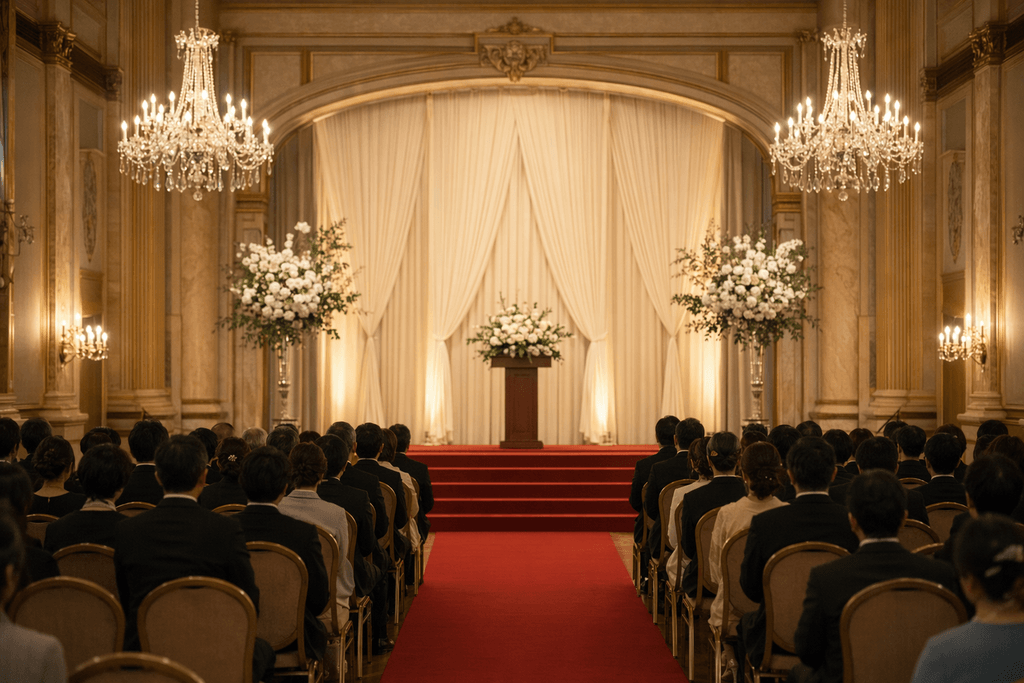
セレモニー
උත්සවය
セレモニー
උත්සවය
Explanation
උත්සවය
セレモニー
චාරිත්රික උත්සවය / උත්සව ක්රියාවලිය / විධිමත් උත්සවය
( romanization )
入手
ලබාගැනීම
入手
ලබාගැනීම
Explanation
入手
ලබාගැනීම
入手
ලබාගැනීම / අත්පත් කරගැනීම / ලැබීමට පැමිණීම

( Base form )
( romanization )
( hiragana )
かれる
සිඳී යෑම
かれる
සිඳී යෑම
Explanation
සිඳී යෑම
かれる
(ජලය ආදිය) වියළී යාම / හිස් වීම / (ශාක) වියළී මැලවී මැරීම / (හඬ) රළු හෝ හුස්කි වීම

Word Forms
The basic and commonly used forms of this verb.
Basic forms
| Form | Word form | Usage |
|---|---|---|
| Imperfective form (mizenkei) | Connects to endings such as nai, reru, and seru. | |
| Continuative form (renyokei) | Connects to endings such as masu, tai, and ta. | |
| Conclusive form (shushikei) | Ends a sentence and serves as the dictionary form. | |
| Attributive form (rentaikei) | Modifies a noun. | |
| Conditional form (kateikei) | Combines with ba to express a condition. | |
| Imperative form (meireikei) |
Alternative:
かれよ
|
Expresses a command or instruction. |
Common forms
| Form | Word form | Usage |
|---|---|---|
| Te-form | Connects clauses with te. | |
| Ta-form | Expresses the past with ta. | |
| Nai-form | Expresses negation with nai. | |
| Masu-form | Used for polite speech. | |
| Ba-form | Expresses a condition with ba. | |
| Volitional form | Expresses intention or invitation. |
Notes
書評
පොත් විචාරය
書評
පොත් විචාරය
Explanation
書評
පොත් විචාරය
書評
පොත් විමසුම / පොත් විචාරය / පොත් සමාලෝචනය
නැගී එන ලේඛකයාගේ සම්මානලාභී කෘතිය පිළිබඳ එම පොත් සමාලෝචනය ඒකාකාරව අගය කරන මහජන මතයට අභියෝග කළ අතර කෘතියේ සදාචාරාත්මක අපැහැදිලිභාවය තියුනු ලෙස හෙළිදරව් කළේය.

( Base form )
( romanization )
( hiragana )
遅らす
ප්රමාද කරනවා
遅らす
ප්රමාද කරනවා
Explanation
遅らす
ප්රමාද කරනවා
遅らす
ප්රමාද කිරීම / කල් දැමීම / මන්දගාමී කිරීම

Word Forms
The basic and commonly used forms of this verb.
Basic forms
| Form | Word form | Usage |
|---|---|---|
| Imperfective form (mizenkei) |
Alternative:
遅らそ
|
Connects to endings such as nai, reru, and seru. |
| Continuative form (renyokei) | Connects to endings such as masu, tai, and ta. | |
| Conclusive form (shushikei) | Ends a sentence and serves as the dictionary form. | |
| Attributive form (rentaikei) | Modifies a noun. | |
| Conditional form (kateikei) | Combines with ba to express a condition. | |
| Imperative form (meireikei) | Expresses a command or instruction. |
Common forms
エンジニア
ඉංජිනේරුවා
エンジニア
ඉංජිනේරුවා
Explanation
ඉංජිනේරුවා
エンジニア
ඉංජිනේරු / ඉංජිනේරු වෘත්තිකයා / තාක්ෂණික ඉංජිනේරු නිලධාරියා

( romanization )
弱
මඳක් අඩු / දුර්වල
弱
මඳක් අඩු / දුර්වල
Explanation
弱
මඳක් අඩු / දුර්වල
弱
එකට වඩා ටිකක් අඩු (සංඛ්යා පසුයොදා) / යන්තම් අඩු / සීමාවට ටිකක් අඩු

( romanization )
( hiragana )
Loading...

JLPT N1 多言語単語帳・3032語 / JLPT N1 Multilingual Vocabulary: 3032 Words

Jonathan Waller 氏の JLPT Resources の語彙リスト・レベル分類を出典とし、CC BY の条件に従って DiQt が学習者向けに意味を作り直した3032語の単語帳です。JLPT公式の語彙リストではありません。
This collection of 3032 words is based on the vocabulary list and level classifications in Jonathan Waller’s JLPT Resources under CC BY, with meanings rewritten by DiQt for learners. It is not an official JLPT vocabulary list.
Key Operations
Select the first quiz:
Ctrl + Enter
View Explanation:Ctrl + G
Close a feedback:Esc
When selecting a quiz
Answer:Enter
Select a choice:↓ or ↑
Reading out the question:Ctrl + K
View Hint: Ctrl + M
I don't know: Ctrl + Y



