
JLPT N1 වචන අර්ථ පුහුණුව - Unsolved

පිළිතුරු විකල්ප හතරක් ඇති ප්රශ්න මඟින් JLPT N1 වචන 3032ක අර්ථ සිංහලෙන් ඉගෙන ගන්න.
-
කම්පනය
-
සැඟවුණු අරමුණ
-
ජාල සබඳතාව
-
නොදන්නා දේ
-
සමුරායි
-
බීම බටය
-
නම්යශීලී
-
කඩිනම්
-
දක්ෂ
-
දුක්ඛිතභාවය
-
හමුවීම
-
ජාතික භූමිය
-
වේගවත් කිරීම / පහසුකම් සැලසීම
-
විප්ලවය
-
මුහුදු ගමන
-
සංවේදී නොවන
-
සුමට
-
සරල
- 「こげ茶」は名詞的にも用いられ、連体修飾では「こげ茶の」が一般的です。
-
සිදුවීමට පෙර කාලය
-
රෝගියා රැකබලා ගැනීම
-
මුහුදු මට්ටමට ඉහළ උස
-
පොත
-
පොත් වෙළුම
-
කුඩා සතුන්
-
නොසැලකිලිමත්
-
අත්යවශ්ය
-
තද දුඹුරු
-
හාස්යජනක
-
හොඳටම වටකුරු
-
නිදිමත
協調
සමගියෙන් සහයෝගය
協調
සමගියෙන් සහයෝගය
Explanation
協調
සමගියෙන් සහයෝගය
協調
සහයෝගය / සමන්වයය / එක්ව ක්රියා කිරීම

( Base form )
( romanization )
( hiragana )
敏感
සංවේදීතාව
敏感
සංවේදීතාව
Explanation
敏感
සංවේදීතාව
敏感
සංවේදනාශීලතාව / සංවේදීභාවය / සංවේදන හැකියාව

( Base form )
( romanization )
( hiragana )
円滑
සුමට
円滑
සුමට
Explanation
円滑
සුමට
円滑
සුමට / බාධාවකින් තොර / ගැටලුවකින් තොර

Word Forms
The basic and commonly used forms of this adjectival noun.
Basic forms
| Form | Word form | Usage |
|---|---|---|
| Imperfective form (mizenkei) | Used in forms such as darou. | |
| Continuative form (renyokei) |
Alternative:
円滑に
円滑だっ
|
Used with de or ni. |
| Conclusive form (shushikei) | Ends a sentence with da. | |
| Attributive form (rentaikei) | Modifies a noun with na. | |
| Conditional form (kateikei) |
Alternative:
円滑であれば
|
Expresses a condition with nara. |
| Imperative form (meireikei) | Used in formal expressions such as de are. |
Common forms
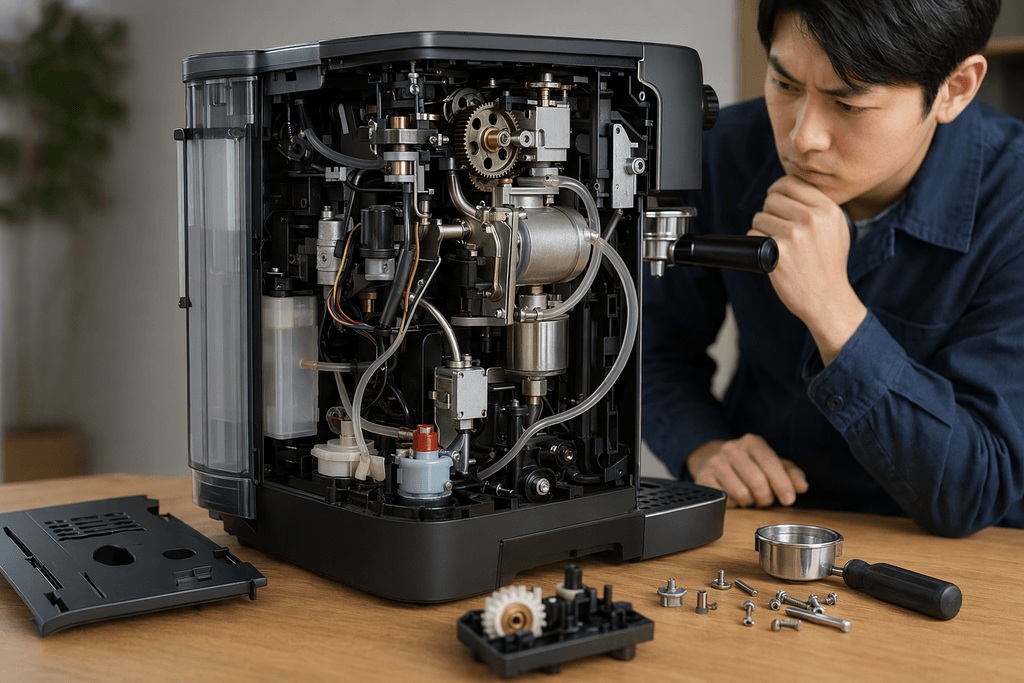
仕組み
ව්යුහය / ක්රියාකාරී යාන්ත්රණය
仕組み
ව්යුහය / ක්රියාකාරී යාන්ත්රණය
Explanation
仕組み
ව්යුහය / ක්රියාකාරී යාන්ත්රණය
仕組み
ගොඩනැගීම/සංරචනය / සැලැස්ම/ආයෝජනය / කුමන්ත්රණය/යෝජනාකෘත උපක්රමය
( Base form )
( romanization )
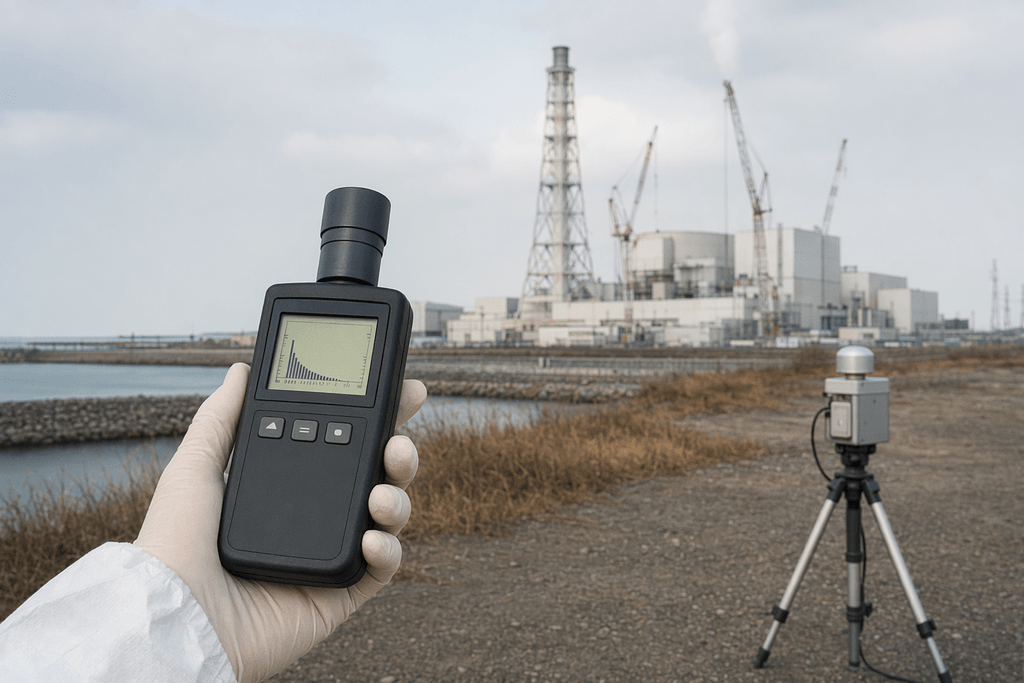
放射能
විකිරණශීලීත්වය
放射能
විකිරණශීලීත්වය
Explanation
放射能
විකිරණශීලීත්වය
放射能
විකිරණශීලතාව / විකිරණ ක්රියාකාරිත්වය
( Base form )
( romanization )
( romanization )
( hiragana historical )
( hiragana )
こげ茶
තද දුඹුරු
こげ茶
තද දුඹුරු
Explanation
こげ茶
තද දුඹුරු
こげ茶
ඉතා තද දුඹුරු (වර්ණය) / ගැඹුරු දුඹුරු / කළුට ආසන්න දුඹුරු
තද දුඹුරු පැහැති මේසය, වසර ගණනාවක් තිස්සේ භාවිතයෙන් දීප්තිමත් ලෙස ඔප දැමූ අතර, අඳුරු අධ් යයනයේ නිහඬතාවය සමඟ ඒකාබද්ධ වී කාලය එහි නැවතී ඇති බවක් මෙන් වාතයක් නිර්මාණය කළේය.

Word Forms
The basic and commonly used forms of this adjectival noun.
Basic forms
| Form | Word form | Usage |
|---|---|---|
| Imperfective form (mizenkei) | Used in forms such as darou. | |
| Continuative form (renyokei) |
Alternative:
こげ茶に
こげ茶だっ
|
Used with de or ni. |
| Conclusive form (shushikei) | Ends a sentence with da. | |
| Attributive form (rentaikei) |
Alternative:
こげ茶の
|
Modifies a noun with na. |
| Conditional form (kateikei) |
Alternative:
こげ茶ならば
|
Expresses a condition with nara. |
| Imperative form (meireikei) | Used in formal expressions such as de are. |
Common forms
| Form | Word form | Usage |
|---|---|---|
| Te-form equivalent | Connects clauses using de. | |
| Ta-form | Expresses the past with datta. | |
| Nai-form |
Alternative:
こげ茶じゃない
|
Expresses negation with dewa nai or ja nai. |
| Desu-form | Used for polite speech. |
Notes
側面
පැත්ත / අංශය
側面
පැත්ත / අංශය
Explanation
側面
පැත්ත / අංශය
側面
පසුව (වස්තුවක මතුපිට) / පස / පැත්ත / අංශය / පැත්තක් (දෘෂ්ටිකෝණය)

( Base form )
( romanization )
( hiragana )
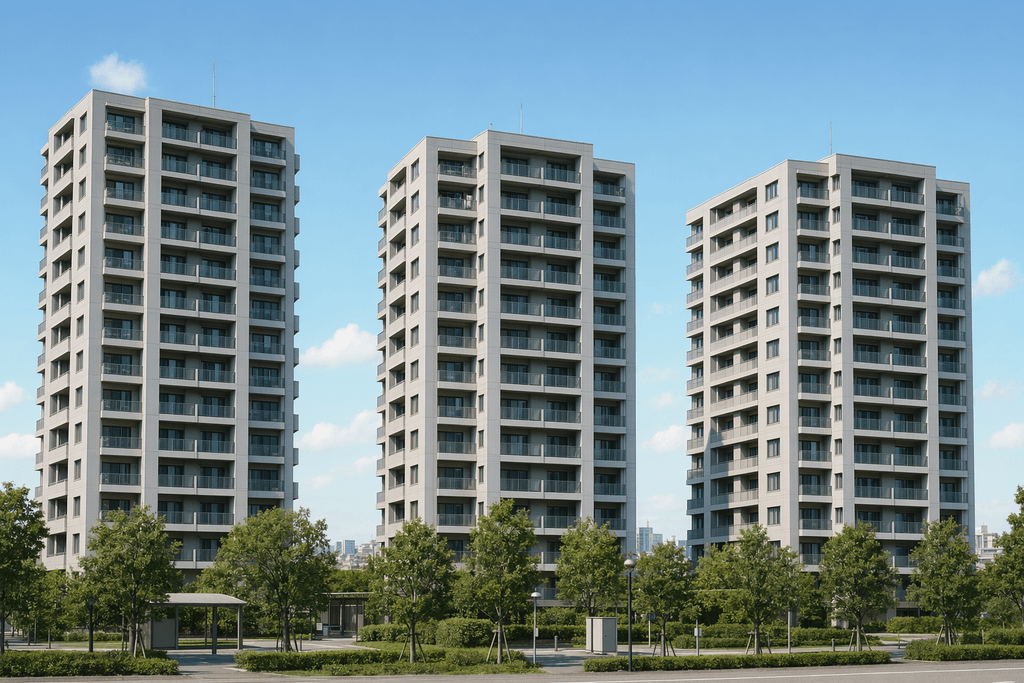
棟
ගොඩනැගිලි
棟
ගොඩනැගිලි
Explanation
棟
ගොඩනැගිලි
棟
(ගොඩනැගිලි) ගණන් කිරීමට යොදන ගණකය / ගොඩනැගිල්ලක්/පිහිටුවීමක් (ගණන සඳහා)
නැවත සංවර්ධන සැලැස්ම අනුව, පරණ වී ගිය ගොඩනැගිලි තුනක් කඩා ඉවත් කර, භූකම්පන ප්රමිතීන්ට අනුකූල උස් මහල් ගොඩනැගිලිවලින් ඒවා නැවත ඉදිකිරීමට ප්රතිපත්තියක් පෙන්වා දී ඇත.
( Base form )
( romanization )
( romanization )
( hiragana )
円満
සමගි වූ
円満
සමගි වූ
Explanation
円満
සමගි වූ
円満
සුහද / සමඟියෙන්/සමගිසහගත / සාමකාමී

Word Forms
The basic and commonly used forms of this adjectival noun.
Basic forms
| Form | Word form | Usage |
|---|---|---|
| Imperfective form (mizenkei) | Used in forms such as darou. | |
| Continuative form (renyokei) |
Alternative:
円満に
円満だっ
|
Used with de or ni. |
| Conclusive form (shushikei) | Ends a sentence with da. | |
| Attributive form (rentaikei) |
Alternative:
円満である
|
Modifies a noun with na. |
| Conditional form (kateikei) |
Alternative:
円満であれば
|
Expresses a condition with nara. |
| Imperative form (meireikei) | Used in formal expressions such as de are. |
Common forms
華々しい
දීප්තිමත්
華々しい
දීප්තිමත්
Explanation
華々しい
දීප්තිමත්
華々しい
ප්රභාස්වර / ආඩම්බර ලෙස පෙනෙන / දිලිසෙන/දුප්පත් නොවන ලෙස සජීවී

Word Forms
The basic and commonly used forms of this adjective.
Basic forms
| Form | Word form | Usage |
|---|---|---|
| Imperfective form (mizenkei) | Used in forms such as karou; mainly literary. | |
| Continuative form (renyokei) |
Alternative:
華々しかっ
|
Used in forms such as kute and kunai. |
| Conclusive form (shushikei) | Ends a sentence. | |
| Attributive form (rentaikei) | Modifies a noun. | |
| Conditional form (kateikei) | Expresses a condition with kereba. | |
| Imperative form (meireikei) | Rarely used in modern Japanese. |
Common forms
Loading...

JLPT N1 多言語単語帳・3032語 / JLPT N1 Multilingual Vocabulary: 3032 Words

Jonathan Waller 氏の JLPT Resources の語彙リスト・レベル分類を出典とし、CC BY の条件に従って DiQt が学習者向けに意味を作り直した3032語の単語帳です。JLPT公式の語彙リストではありません。
This collection of 3032 words is based on the vocabulary list and level classifications in Jonathan Waller’s JLPT Resources under CC BY, with meanings rewritten by DiQt for learners. It is not an official JLPT vocabulary list.
Key Operations
Select the first quiz:
Ctrl + Enter
View Explanation:Ctrl + G
Close a feedback:Esc
When selecting a quiz
Answer:Enter
Select a choice:↓ or ↑
Reading out the question:Ctrl + K
View Hint: Ctrl + M
I don't know: Ctrl + Y



