
JLPT N1 වචන අර්ථ පුහුණුව - Unsolved

පිළිතුරු විකල්ප හතරක් ඇති ප්රශ්න මඟින් JLPT N1 වචන 3032ක අර්ථ සිංහලෙන් ඉගෙන ගන්න.
-
ගලා එනවා
-
සමෘද්ධිමත් වෙනවා
-
වෙවුලවනවා
- 「報ずる」は「報じる」と同系のサ変型の語で、未然形・命令形などに「報ぜ-」系の異形がある。
-
යන්තමින්
-
කිසිසේත් නැහැ
-
මේවා ඒවා
-
ගොඩනඟනවා
-
තීරණය කරනවා / නියම කරනවා
-
පාලනය කරනවා / පරාජය කරනවා
-
ක්රියා පටිපාටිය
-
විෂය බාහිර ක්රියාකාරකම්
-
පතල් කැණීම
-
නිල ඇඳුම
-
තේරී පත්වීම / දිනුම ලැබීම
-
අතර කාලය
-
තද දුඹුරු
-
දීප්තිමත් / විශිෂ්ට
-
යහපත්
-
අයුතු වූ / අධික ලෙස විචිත්ර
-
දිගුකාලීන
-
කරදරකාරී
-
සාක්ෂාත් කිරීම
-
දළ සටහන
-
එක් රේඛාව / එකම අරමුණට කැපවීම
-
අලවන ලද දැන්වීම
-
වාර්ෂික ග්රන්ථය
-
ලකුණු අඩු කිරීම
-
කහ පැහැති
-
සරල
-
සියුමැලි / සිහින්
報ずる
වාර්තා කරනවා
報ずる
වාර්තා කරනවා
Explanation
報ずる
වාර්තා කරනවා
報ずる
දැනුම් දීම / වාර්තා කිරීම / පුවත් පළ කිරීම

Word Forms
The basic and commonly used forms of this verb.
Basic forms
| Form | Word form | Usage |
|---|---|---|
| Imperfective form (mizenkei) |
Alternative:
報ぜ
|
Connects to endings such as nai, reru, and seru. |
| Continuative form (renyokei) | Connects to endings such as masu, tai, and ta. | |
| Conclusive form (shushikei) | Ends a sentence and serves as the dictionary form. | |
| Attributive form (rentaikei) | Modifies a noun. | |
| Conditional form (kateikei) | Combines with ba to express a condition. | |
| Imperative form (meireikei) |
Alternative:
報じよ
報ぜよ
|
Expresses a command or instruction. |
Common forms
| Form | Word form | Usage |
|---|---|---|
| Te-form | Connects clauses with te. | |
| Ta-form | Expresses the past with ta. | |
| Nai-form |
Alternative:
報ぜない
|
Expresses negation with nai. |
| Masu-form | Used for polite speech. | |
| Ba-form | Expresses a condition with ba. | |
| Volitional form |
Alternative:
報ぜよう
|
Expresses intention or invitation. |
Notes
正に
දැන් සිදුවීමට ආසන්නව / හරියටම
正に
දැන් සිදුවීමට ආසන්නව / හරියටම
Explanation
正に
දැන් සිදුවීමට ආසන්නව / හරියටම
正に
හරියටම, නිවැරදිව / නියතව, ඇත්තෙන්ම / යථාර්ථව, සැබවින්ම

( Base form )
( romanization )
謙る
නිහතමානී වෙනවා
謙る
නිහතමානී වෙනවා
Explanation
謙る
නිහතමානී වෙනවා
謙る
තමා පහත් කරගෙන කථා කිරීම / අනෙකා ප්රශංසා කරමින් නිහතමානී වීම / තමන්ට ගරු නොකර මෘදු ලෙස කථා කිරීම
ව් යාපාරික සාකච්ඡාවකදී, අනෙක් පුද්ගලයාගේ තීක්ෂ්ණ බුද්ධිය ප් රශංසා කරන අතරතුර ඔබව ඕනෑවට වඩා නිහතමානීව සිටීම ඇත්ත වශයෙන්ම ඔබව වහල් බවක් පෙනෙන්නට සලස්වයි.

Word Forms
The basic and commonly used forms of this verb.
Basic forms
| Form | Word form | Usage |
|---|---|---|
| Imperfective form (mizenkei) |
Alternative:
謙ろ
|
Connects to endings such as nai, reru, and seru. |
| Continuative form (renyokei) |
Alternative:
謙っ
|
Connects to endings such as masu, tai, and ta. |
| Conclusive form (shushikei) | Ends a sentence and serves as the dictionary form. | |
| Attributive form (rentaikei) | Modifies a noun. | |
| Conditional form (kateikei) | Combines with ba to express a condition. | |
| Imperative form (meireikei) | Expresses a command or instruction. |
Common forms
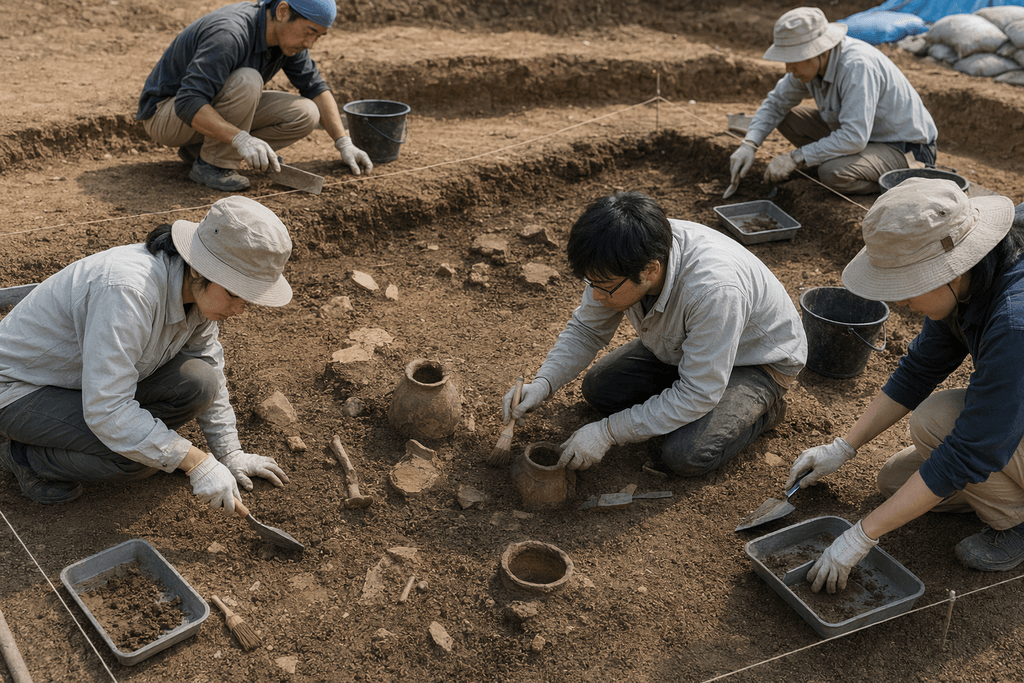
発掘
කැණීම
発掘
කැණීම
Explanation
発掘
කැණීම
発掘
පුරාවස්තු කැණීම / කැණීම් ක්රියාව / භූමි කැණීම
පුරාවිද්යා ස්ථානයේ කැණීම් සම්බන්ධයෙන් ශාස්ත්රීය ලෝකයේ අදහස් සම්පූර්ණයෙන්ම දෙකට බෙදී ඇති අතර, විමර්ශන ප්රතිපත්තිය තීරණය කිරීම දුෂ්කරව දිගහැරෙමින් පවතී.
( Base form )
( romanization )
( kyūjitai )
( hiragana )
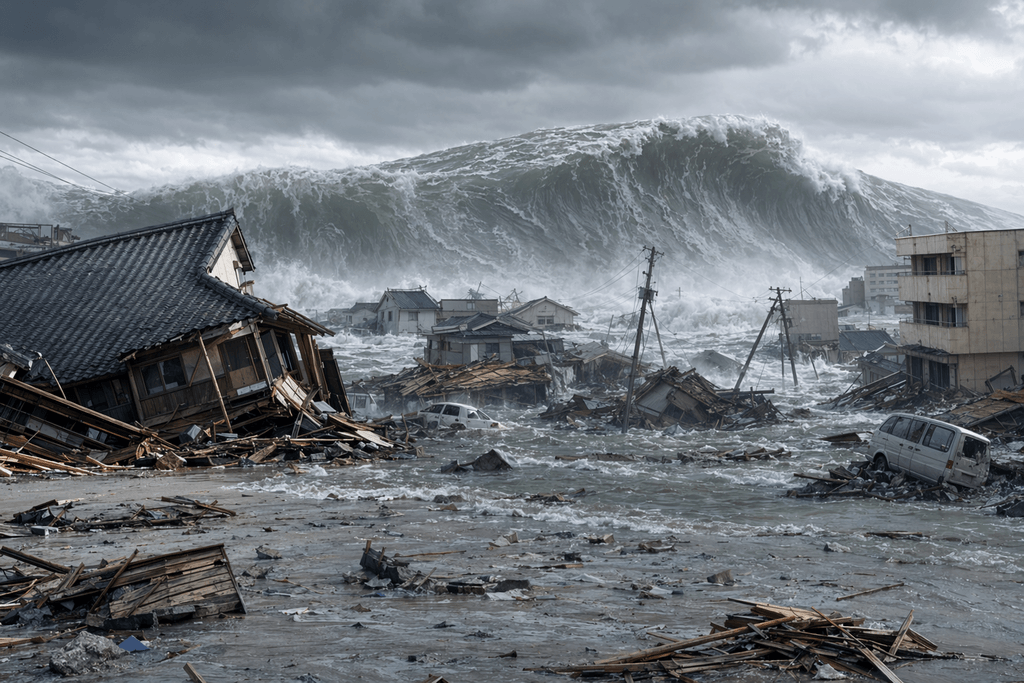
天災
ස්වාභාවික විපත
天災
ස්වාභාවික විපත
Explanation
天災
ස්වාභාවික විපත
天災
ස්වාභාවික විපත / ප්රකෘති හේතුකොට ඇති වන විනාශය / ස්වාභාවික ආපදා
( Base form )
( romanization )
( hiragana )
無効
වලංගු නොවන
無効
වලංගු නොවන
Explanation
無効
වලංගු නොවන
無効
අප්රභාවී / අවලංගු / බල රහිත

Word Forms
The basic and commonly used forms of this adjectival noun.
Basic forms
| Form | Word form | Usage |
|---|---|---|
| Imperfective form (mizenkei) | Used in forms such as darou. | |
| Continuative form (renyokei) |
Alternative:
無効に
無効だっ
|
Used with de or ni. |
| Conclusive form (shushikei) | Ends a sentence with da. | |
| Attributive form (rentaikei) | Modifies a noun with na. | |
| Conditional form (kateikei) | Expresses a condition with nara. | |
| Imperative form (meireikei) | Used in formal expressions such as de are. |
Common forms
汚らわしい
අපිරිසිදු / පිළිකුල්
汚らわしい
අපිරිසිදු / පිළිකුල්
Explanation
汚らわしい
අපිරිසිදු / පිළිකුල්
汚らわしい
කිළිටි; අපවිත්ර / අපිරිසිදු; වංචක / අපකීර්තිමත්; අශුභ

Word Forms
The basic and commonly used forms of this adjective.
Basic forms
| Form | Word form | Usage |
|---|---|---|
| Imperfective form (mizenkei) | Used in forms such as karou; mainly literary. | |
| Continuative form (renyokei) |
Alternative:
汚らしかっ
|
Used in forms such as kute and kunai. |
| Conclusive form (shushikei) | Ends a sentence. | |
| Attributive form (rentaikei) | Modifies a noun. | |
| Conditional form (kateikei) | Expresses a condition with kereba. | |
| Imperative form (meireikei) | Rarely used in modern Japanese. |
Common forms
アラブ
අරාබි ජාතිකයා
アラブ
අරාබි ජාතිකයා
Explanation
අරාබි ජාතිකයා
アラブ
අරාබි ජාතිකයෙක් / අරාබ් රටවල්/අරාබි ජනයා / අරාබි අශ්වයා
ඔහු අරාබ්වන් ලෙස වූ තම අනන්යතාවය ගැන අභිමානයක් දරමින් සිටියත්, ජාතිකත්වය හෝ ආගමික පංථය අනුව ඔහුව එකම කාණ්ඩයකට දමා එකවර සම්මුඛ කිරීමට උත්සාහ කිරීම ගැන ඔහු දැඩි අසහනයක් දැනේ.

( romanization )
産物
නිෂ්පාදිතය / ප්රතිඵලය
産物
නිෂ්පාදිතය / ප්රතිඵලය
Explanation
産物
නිෂ්පාදිතය / ප්රතිඵලය
産物
නිෂ්පාදනය / ඵලදාව (කෘෂි) / ප්රතිඵලය / ප්රතිවිපාකය

( Base form )
( romanization )
( kyūjitai )
( hiragana )
猛烈
දැඩි
猛烈
දැඩි
Explanation
猛烈
දැඩි
猛烈
තිව්ර / දරුණු / ඉතා ප්රබල

Word Forms
The basic and commonly used forms of this adjectival noun.
Basic forms
| Form | Word form | Usage |
|---|---|---|
| Imperfective form (mizenkei) |
Alternative:
猛烈でしょ
|
Used in forms such as darou. |
| Continuative form (renyokei) |
Alternative:
猛烈に
|
Used with de or ni. |
| Conclusive form (shushikei) |
Alternative:
猛烈です
|
Ends a sentence with da. |
| Attributive form (rentaikei) |
Alternative:
猛烈なる
|
Modifies a noun with na. |
| Conditional form (kateikei) |
Alternative:
猛烈であれば
|
Expresses a condition with nara. |
| Imperative form (meireikei) | Used in formal expressions such as de are. |
Common forms
Loading...

JLPT N1 多言語単語帳・3032語 / JLPT N1 Multilingual Vocabulary: 3032 Words

Jonathan Waller 氏の JLPT Resources の語彙リスト・レベル分類を出典とし、CC BY の条件に従って DiQt が学習者向けに意味を作り直した3032語の単語帳です。JLPT公式の語彙リストではありません。
This collection of 3032 words is based on the vocabulary list and level classifications in Jonathan Waller’s JLPT Resources under CC BY, with meanings rewritten by DiQt for learners. It is not an official JLPT vocabulary list.
Key Operations
Select the first quiz:
Ctrl + Enter
View Explanation:Ctrl + G
Close a feedback:Esc
When selecting a quiz
Answer:Enter
Select a choice:↓ or ↑
Reading out the question:Ctrl + K
View Hint: Ctrl + M
I don't know: Ctrl + Y



