
JLPT N1 වචන අර්ථ පුහුණුව - Unsolved

පිළිතුරු විකල්ප හතරක් ඇති ප්රශ්න මඟින් JLPT N1 වචන 3032ක අර්ථ සිංහලෙන් ඉගෙන ගන්න.
-
ආදේශනය
-
තොගය
-
භාර නිලධාරියා
-
විදේශ ඇමති
-
විසරණය
-
නිහඬතාව
-
ඉදිරියට යනවා
-
හිතවත් වෙනවා
-
විලාසිතාවට අඳිනවා / විහිළු කරනවා
-
හානි වන්දිය
-
වැඩියෙන්ම විකිණෙන පොත
-
පරපුරෙන් පැවරීම / පිටතින් පැමිණීම
-
පාරු නැව
-
ශරීර හැඩය
-
දරු ප්රසවයෙන් පසු කාලය
-
සංචාරය කරනවා / පැමිණෙනවා
-
පිහිටුවනවා / ඉරියව් ගන්නවා
-
විලාසිතාවට අඳිනවා / විහිළු කරනවා
- サ変動詞。未然形には接続する助動詞により「脱し・脱せ・脱さ」が用いられる。
- 「脱す」は文語的・硬い文体で終止形として用いられることがある。
-
පුපුරුවා හැරීම
-
වාචික පණිවිඩය
-
ශරීර හැඩය
-
හිස් / නිෂ්ඵල
-
අපේක්ෂාවට වඩා පහසු
-
කඩිසර
-
ඇල කරනවා / කැප කරනවා
-
තෙත් වෙනවා / සමෘද්ධිමත් වෙනවා
-
ගසාගෙන යෑම / පැහැරගෙන යෑම
- 「問う」はワア行五段活用の動詞。連用形接続の「て」「た」は、標準的には特殊音便で「問うて」「問うた」となる。
- 「問って」「問った」も類推形・口語的な形として用いられることがある。
-
බාල නිර්මාණය
-
ගිනි වැළැක්වීම
-
රෙදි විවීම
出直し
නැවත පැමිණීම / යළි ආරම්භය
出直し
නැවත පැමිණීම / යළි ආරම්භය
Explanation
出直し
නැවත පැමිණීම / යළි ආරම්භය
出直し
නැවත පටන් ගැනීම / මුල සිට නැවත උත්සාහ කිරීම / පසුව නැවත පැමිණීම හෝ නැවත ඇමතීම
( romanization )
( romanization )
( stem )
( Past )
( hiragana historical )
( table-tags )
( inflection-template )
( imperfective stem )
( imperfective stem )
( continuative stem )
( continuative stem )
( stem terminative )
( stem terminative )
( attributive stem )
( attributive stem )
( hypothetical stem )
( hypothetical stem )
( Imperative stem )
( Imperative stem )
( Passive voice )
( Passive voice )
( causative )
( causative )
( causative )
( causative )
( potential )
( potential )
( volitional )
( volitional )
( negative )
( negative )
( continuative negative )
( continuative negative )
( formal )
( formal )
( perfective )
( perfective )
( conjunctive )
( conjunctive )
( Conditional hypothetical )
( Conditional hypothetical )
員
සාමාජිකයා
員
සාමාජිකයා
Explanation
員
සාමාජිකයා
員
සාමාජිකයා / කමිටු/සභා සාමාජිකයා / කාර්ය මණ්ඩල සාමාජිකයා
( romanization )
( hiragana historical )
( hiragana )
高まる
තීව්ර වෙනවා / ඉහළ යනවා
高まる
තීව්ර වෙනවා / ඉහළ යනවා
Explanation
高まる
තීව්ර වෙනවා / ඉහළ යනවා
高まる
වැඩි වීම / උත්කර්ෂයට පත් වීම / තීව්ර වීම
Word Forms
The basic and commonly used forms of this verb.
Basic forms
| Form | Word form | Usage |
|---|---|---|
| Imperfective form (mizenkei) |
Alternative:
高まろ
|
Connects to endings such as nai, reru, and seru. |
| Continuative form (renyokei) |
Alternative:
高まっ
|
Connects to endings such as masu, tai, and ta. |
| Conclusive form (shushikei) | Ends a sentence and serves as the dictionary form. | |
| Attributive form (rentaikei) | Modifies a noun. | |
| Conditional form (kateikei) | Combines with ba to express a condition. | |
| Imperative form (meireikei) | Expresses a command or instruction. |
Common forms
介入
මැදිහත්වීම
介入
මැදිහත්වීම
Explanation
介入
මැදිහත්වීම
介入
මැදිහත් වීම / ඇතුළත් වී මැදිහත් වීම / හස්තක්ෂේපය

( Base form )
( romanization )
( romanization )
( hiragana historical )
( hiragana )
所々
තැනින් තැන
所々
තැනින් තැන
Explanation
所々
තැනින් තැන
所々
තැනින් තැන / විවිධ ස්ථානවල / හෙට මෙට
脱する
ගැලවෙනවා
脱する
ගැලවෙනවා
Explanation
脱する
ගැලවෙනවා
脱する
පලා යාම / වළක්වාගනිමින් නිදහස් වීම / ඉවත්වීම

Word Forms
The basic and commonly used forms of this verb.
Basic forms
| Form | Word form | Usage |
|---|---|---|
| Imperfective form (mizenkei) |
Alternative:
脱せ
脱さ
|
Connects to endings such as nai, reru, and seru. |
| Continuative form (renyokei) | Connects to endings such as masu, tai, and ta. | |
| Conclusive form (shushikei) |
Alternative:
脱す
|
Ends a sentence and serves as the dictionary form. |
| Attributive form (rentaikei) | Modifies a noun. | |
| Conditional form (kateikei) | Combines with ba to express a condition. | |
| Imperative form (meireikei) |
Alternative:
脱せよ
|
Expresses a command or instruction. |
Common forms
| Form | Word form | Usage |
|---|---|---|
| Te-form | Connects clauses with te. | |
| Ta-form | Expresses the past with ta. | |
| Nai-form |
Alternative:
脱せず
|
Expresses negation with nai. |
| Masu-form | Used for polite speech. | |
| Ba-form | Expresses a condition with ba. | |
| Volitional form | Expresses intention or invitation. |
Notes
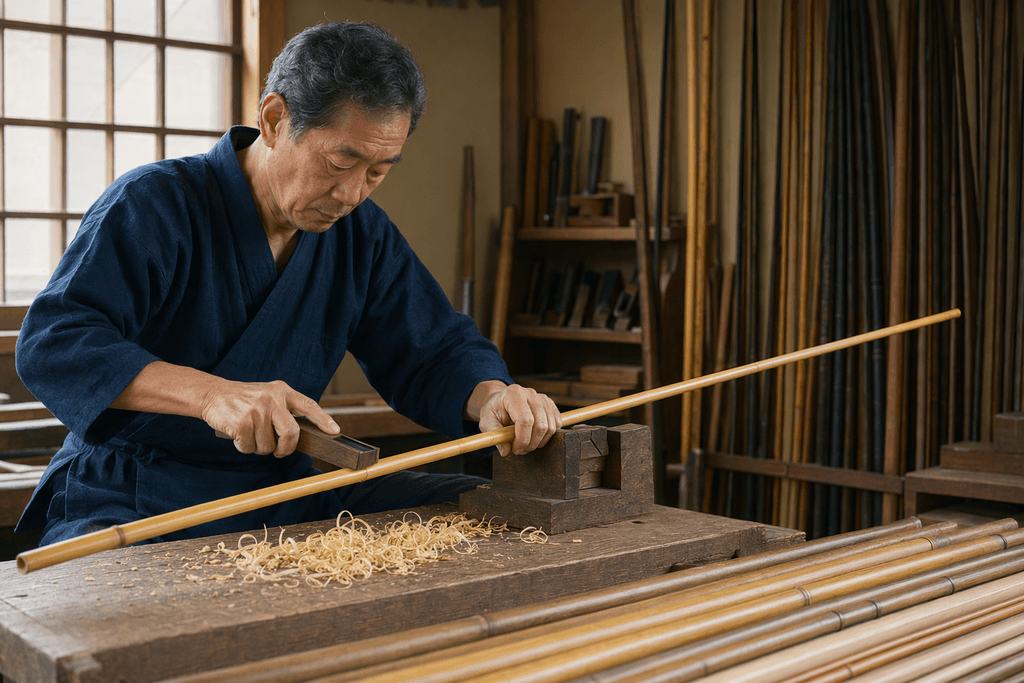
竿
රිට
竿
රිට
Explanation
竿
රිට
竿
දණ්ඩයක් / බම්බු දණ්ඩය / කොටුවක් (පෝලයක්)
( romanization )
( hiragana )
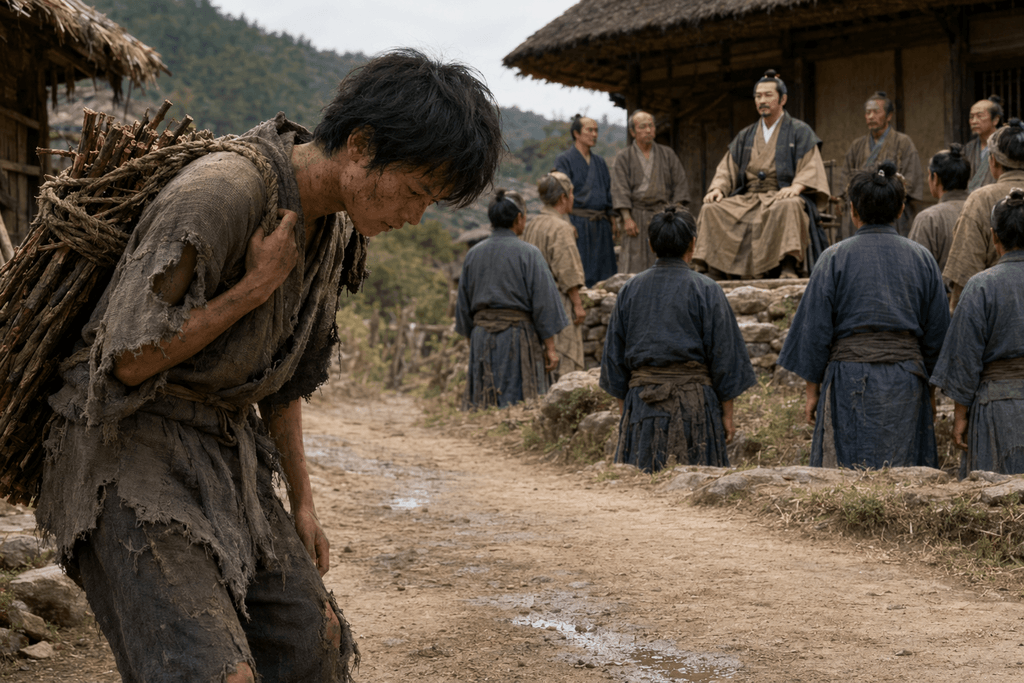
卑しい
කෑදර / අශිෂ්ට
卑しい
කෑදර / අශිෂ්ට
Explanation
卑しい
කෑදර / අශිෂ්ට
卑しい
පහළ කුලයක/පහත් / කැලැල්/අපිරිසිදු (පෙනුම) / ලෝභී; සුළුමන (පුද්ගලය)
Word Forms
The basic and commonly used forms of this adjective.
Basic forms
| Form | Word form | Usage |
|---|---|---|
| Imperfective form (mizenkei) | Used in forms such as karou; mainly literary. | |
| Continuative form (renyokei) |
Alternative:
卑しかっ
|
Used in forms such as kute and kunai. |
| Conclusive form (shushikei) | Ends a sentence. | |
| Attributive form (rentaikei) | Modifies a noun. | |
| Conditional form (kateikei) | Expresses a condition with kereba. | |
| Imperative form (meireikei) | Rarely used in modern Japanese. |
Common forms
問う
අසනවා / වගකීම විමසනවා
問う
අසනවා / වගකීම විමසනවා
Explanation
問う
අසනවා / වගකීම විමසනවා
問う
ප්රශ්න කිරීම; විමසීම / චෝදනා කිරීම (අපරාධයක් පිළිබඳව) / සැලකිලිමත් වීම; ගරු කිරීම

Word Forms
The basic and commonly used forms of this verb.
Basic forms
| Form | Word form | Usage |
|---|---|---|
| Imperfective form (mizenkei) | Connects to endings such as nai, reru, and seru. | |
| Continuative form (renyokei) | Connects to endings such as masu, tai, and ta. | |
| Conclusive form (shushikei) | Ends a sentence and serves as the dictionary form. | |
| Attributive form (rentaikei) | Modifies a noun. | |
| Conditional form (kateikei) | Combines with ba to express a condition. | |
| Imperative form (meireikei) | Expresses a command or instruction. |
Common forms
| Form | Word form | Usage |
|---|---|---|
| Te-form |
Alternative:
問って
|
Connects clauses with te. |
| Ta-form |
Alternative:
問った
|
Expresses the past with ta. |
| Nai-form | Expresses negation with nai. | |
| Masu-form | Used for polite speech. | |
| Ba-form | Expresses a condition with ba. | |
| Volitional form | Expresses intention or invitation. |
Notes
地元
තම ප්රදේශය
地元
තම ප්රදේශය
Explanation
地元
තම ප්රදේශය
地元
තමාගේ ගම්ප්රදේශය/නිජගම්පලාත / ස්ථානීය ප්රදේශය; එම ප්රදේශයට අයත් බව / දේශීය (වලින්)

( Base form )
( romanization )
( hiragana )
Loading...

JLPT N1 多言語単語帳・3032語 / JLPT N1 Multilingual Vocabulary: 3032 Words

Jonathan Waller 氏の JLPT Resources の語彙リスト・レベル分類を出典とし、CC BY の条件に従って DiQt が学習者向けに意味を作り直した3032語の単語帳です。JLPT公式の語彙リストではありません。
This collection of 3032 words is based on the vocabulary list and level classifications in Jonathan Waller’s JLPT Resources under CC BY, with meanings rewritten by DiQt for learners. It is not an official JLPT vocabulary list.
Key Operations
Select the first quiz:
Ctrl + Enter
View Explanation:Ctrl + G
Close a feedback:Esc
When selecting a quiz
Answer:Enter
Select a choice:↓ or ↑
Reading out the question:Ctrl + K
View Hint: Ctrl + M
I don't know: Ctrl + Y



