
JLPT N1 වචන අර්ථ පුහුණුව - Unsolved

පිළිතුරු විකල්ප හතරක් ඇති ප්රශ්න මඟින් JLPT N1 වචන 3032ක අර්ථ සිංහලෙන් ඉගෙන ගන්න.
-
නිවැරදි කිරීම
-
බර අඩු කිරීම
-
බුමුතුරුණ
-
ඉවසා සිටිනවා / මැඩපවත්වනවා
-
දරා සිටිනවා
-
අවුල් කරනවා / බාධා කරනවා
-
වේගවත්
-
කාරුණික
-
හැඩිදැඩි
- 「厭らしい」は「嫌らしい」「いやらしい」とも表記されます。
- 基本活用の命令形「厭らしかれ」は現代語ではまれです。
-
කෙළින්ම / හරියටම
-
ඉක්මනින්
-
අතිශයින්
-
ඉරියව්ව / ව්යුහය
-
අධික නාස්තිය
-
අලුත් ඉදිකිරීම
-
සමාජ ස්තරය / ස්තරය
-
එක්වීම
-
සිතුවිල්ල / සැලකිල්ල
-
අගය කරනවා
-
සැරසී අඳිනවා
-
යටහත් වෙනවා / කෘතඥ වෙනවා
- 見出し語「逃れる」は通常「のがれる」と読む下一段動詞です。
-
අවසාන සීමාව
-
ආශාවෙන් බලාසිටීම
-
නීති සංශෝධනය
-
කුපිතව
-
අධෛර්යයෙන් / හදිසියේ පහතට
-
නොදැනීම
-
අනිවාර්ය විෂය
-
විධිමත් ඉල්ලීම
-
හැඬලය
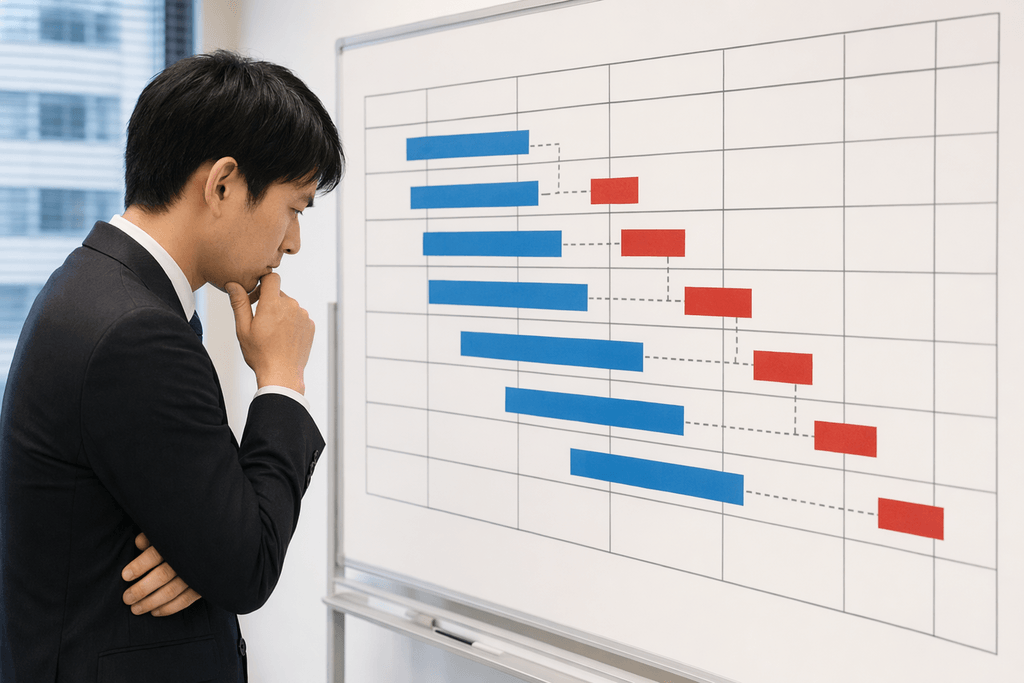
進度
ප්රගති වේගය
進度
ප්රගති වේගය
Explanation
進度
ප්රගති වේගය
進度
ප්රගතියේ මට්ටම / ප්රගති අංශය / වැඩ කටයුතු ඉදිරියට යාමේ තත්ත්වය
( Base form )
( romanization )
( hiragana )
似通う
බොහෝ සමාන වෙනවා
似通う
බොහෝ සමාන වෙනවා
Explanation
似通う
බොහෝ සමාන වෙනවා
似通う
ඉතා සමාන වීම / කිට්ටුවෙන් සමාන වීම / එකිනෙකාට සමානව පෙනීම

Word Forms
The basic and commonly used forms of this verb.
Basic forms
| Form | Word form | Usage |
|---|---|---|
| Imperfective form (mizenkei) |
Alternative:
似通お
|
Connects to endings such as nai, reru, and seru. |
| Continuative form (renyokei) | Connects to endings such as masu, tai, and ta. | |
| Conclusive form (shushikei) | Ends a sentence and serves as the dictionary form. | |
| Attributive form (rentaikei) | Modifies a noun. | |
| Conditional form (kateikei) | Combines with ba to express a condition. | |
| Imperative form (meireikei) | Expresses a command or instruction. |
Common forms
厭らしい
අප්රසන්න / අශෝභන
厭らしい
අප්රසන්න / අශෝභන
Explanation
厭らしい
අප්රසන්න / අශෝභන
厭らしい
පිළිකුල් සහගත / අසභ්ය / අශිෂ්ට / අසීල / ලිංගිකව අශෝභන

Word Forms
The basic and commonly used forms of this adjective.
Basic forms
| Form | Word form | Usage |
|---|---|---|
| Imperfective form (mizenkei) |
Alternative:
厭やらしかろ
嫌らしかろ
いやらしかろ
|
Used in forms such as karou; mainly literary. |
| Continuative form (renyokei) |
Alternative:
厭らしかっ
厭やらしく
厭やらしかっ
嫌らしく
嫌らしかっ
いやらしく
いやらしかっ
|
Used in forms such as kute and kunai. |
| Conclusive form (shushikei) |
Alternative:
厭やらしい
嫌らしい
いやらしい
|
Ends a sentence. |
| Attributive form (rentaikei) |
Alternative:
厭やらしい
嫌らしい
いやらしい
|
Modifies a noun. |
| Conditional form (kateikei) |
Alternative:
厭やらしけれ
嫌らしけれ
いやらしけれ
|
Expresses a condition with kereba. |
| Imperative form (meireikei) |
Alternative:
厭やらしかれ
嫌らしかれ
いやらしかれ
|
Rarely used in modern Japanese. |
Common forms
| Form | Word form | Usage |
|---|---|---|
| Te-form |
Alternative:
厭やらしくて
嫌らしくて
いやらしくて
|
Connects clauses with kute. |
| Ta-form |
Alternative:
厭やらしかった
嫌らしかった
いやらしかった
|
Expresses the past with katta. |
| Nai-form |
Alternative:
厭やらしくない
嫌らしくない
いやらしくない
|
Expresses negation with kunai. |
| Ba-form |
Alternative:
厭やらしければ
嫌らしければ
いやらしければ
|
Expresses a condition with kereba. |
Notes
ほんの
හුදෙක්
ほんの
හුදෙක්
Explanation
හුදෙක්
ほんの
යන්තම් / තනිවම (ඉතා සුළු ලෙස) / නිකම්ම (අල්ප වශයෙන්)

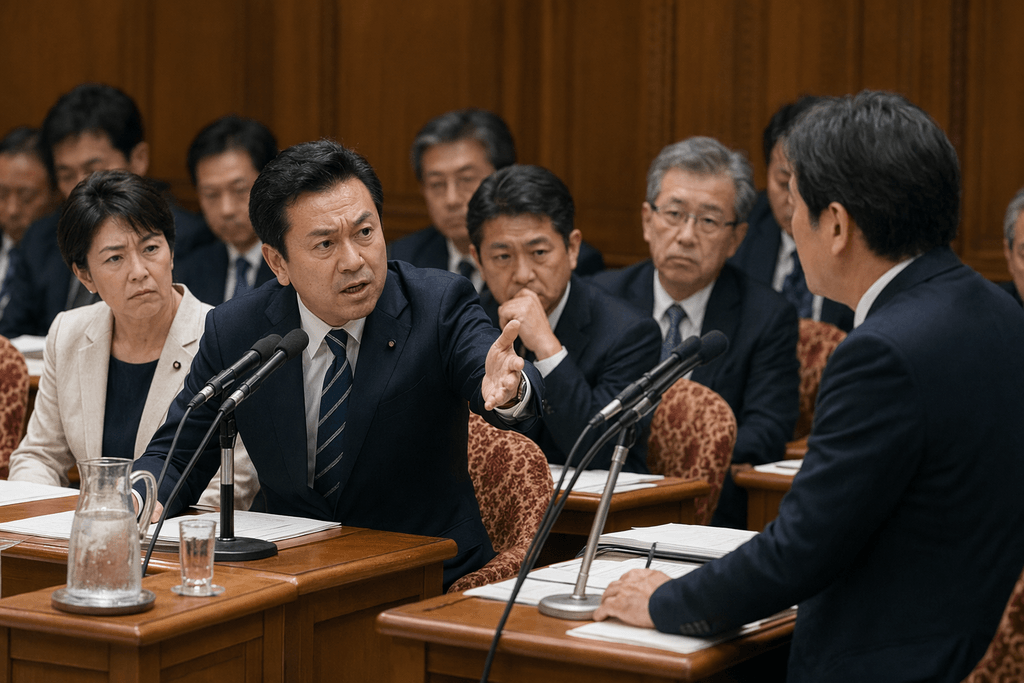
質疑
නිල ප්රශ්න කිරීම
質疑
නිල ප්රශ්න කිරීම
Explanation
質疑
නිල ප්රශ්න කිරීම
質疑
ප්රශ්න කිරීම; විමර්ශනය / (පාර්ලිමේන්තුවේ) අමාත්යවරුන්ට ප්රශ්න කිරීම / ප්රශ්නෝත්තරය
( Base form )
( romanization )
( romanization )
( hiragana historical )
( hiragana )
炭素
කාබන්
炭素
කාබන්
Explanation
炭素
කාබන්
炭素
කාබන් (රසායනික මූලද්රව්යය) / කාබන් මූලද්රව්යය
ලෝක උෂ්ණත්ව වර්ධනයට ප්රතිචාර වශයෙන්, කාර්මික ක්ෂේත්රයෙන් නිකුත් වන කාබන් ප්රමාණය දෘශ්යමාන කරමින්, සැපයුම් දාමය පුරාම අඩු කිරීමේ ඉලක්ක හවුල් කර ගැනීම අවශ්ය වේ.

( Base form )
( romanization )
( hiragana )
逃れる
බේරී යනවා
逃れる
බේරී යනවා
Explanation
逃れる
බේරී යනවා
逃れる
පැන යාම / ගැලවී යාම / වළක්වා ගැලවීම

Word Forms
The basic and commonly used forms of this verb.
Basic forms
| Form | Word form | Usage |
|---|---|---|
| Imperfective form (mizenkei) | Connects to endings such as nai, reru, and seru. | |
| Continuative form (renyokei) | Connects to endings such as masu, tai, and ta. | |
| Conclusive form (shushikei) | Ends a sentence and serves as the dictionary form. | |
| Attributive form (rentaikei) | Modifies a noun. | |
| Conditional form (kateikei) | Combines with ba to express a condition. | |
| Imperative form (meireikei) |
Alternative:
逃れよ
|
Expresses a command or instruction. |
Common forms
| Form | Word form | Usage |
|---|---|---|
| Te-form | Connects clauses with te. | |
| Ta-form | Expresses the past with ta. | |
| Nai-form | Expresses negation with nai. | |
| Masu-form | Used for polite speech. | |
| Ba-form | Expresses a condition with ba. | |
| Volitional form | Expresses intention or invitation. |
Notes
自動詞
අකර්මක ක්රියා පදය
自動詞
අකර්මක ක්රියා පදය
Explanation
自動詞
අකර්මක ක්රියා පදය
自動詞
අකර්මක ක්රියාපදය / කර්මයක් නොගන්නා ක්රියාපදය

( Base form )
( romanization )
( hiragana )
なんだか
මන්ද කියා නොදැන
なんだか
මන්ද කියා නොදැන
Explanation
මන්ද කියා නොදැන
なんだか
කෙසේ හෝ / යම් හේතුවක් නිසා / යම් අන්දමින්
රැස්වීමේදී ඉදිරිපත් කරන ලද විශාල ද් රව් ය ප් රමාණය පරීක්ෂා කරන අතරතුර, නිගමනය පමණක් අත්තනෝමතික ලෙස කල්තියා උපකල්පනය කර ඇති බව මට කෙසේ හෝ හැඟී ගියේය.

( romanization )
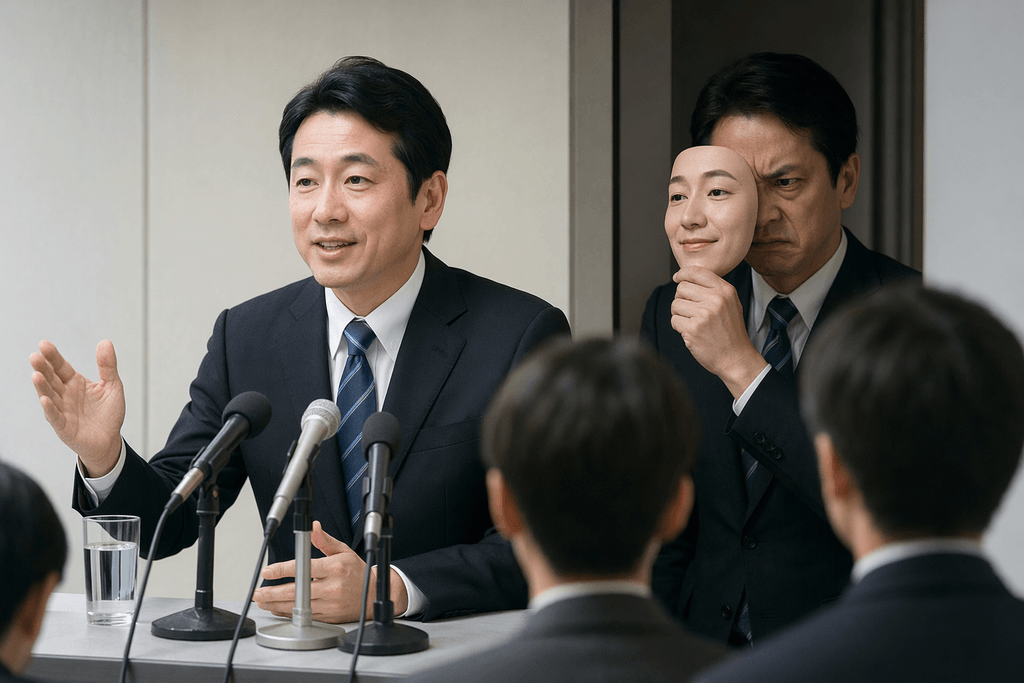
建前
ප්රසිද්ධ ස්ථාවරය
建前
ප්රසිද්ධ ස්ථාවරය
Explanation
建前
ප්රසිද්ධ ස්ථාවරය
建前
නිල ප්රතිපත්තිය/ස්ථාවරය / නිල කතාව හෝ හේතු ලෙස දක්වන පෙරුව (බොරුවක්) / බාහිර ආවරණය; පෙනුමට පමණක් ඇති මුහුණුවර
( Base form )
( romanization )
( hiragana )
Loading...

JLPT N1 多言語単語帳・3032語 / JLPT N1 Multilingual Vocabulary: 3032 Words

Jonathan Waller 氏の JLPT Resources の語彙リスト・レベル分類を出典とし、CC BY の条件に従って DiQt が学習者向けに意味を作り直した3032語の単語帳です。JLPT公式の語彙リストではありません。
This collection of 3032 words is based on the vocabulary list and level classifications in Jonathan Waller’s JLPT Resources under CC BY, with meanings rewritten by DiQt for learners. It is not an official JLPT vocabulary list.
Key Operations
Select the first quiz:
Ctrl + Enter
View Explanation:Ctrl + G
Close a feedback:Esc
When selecting a quiz
Answer:Enter
Select a choice:↓ or ↑
Reading out the question:Ctrl + K
View Hint: Ctrl + M
I don't know: Ctrl + Y



