
JLPT N5 詞義四選一 - Unsolved

透過四選一題目,用繁體中文學習JLPT N5的665個單字詞義。
-
少
-
低 / 矮
-
白色
-
爸爸
-
去年
-
紅茶
-
什麼時候
-
現在
-
已經
-
手
-
打掃
-
西式服裝
-
過
-
穿褲子 / 穿鞋
-
吹
- 五段活用カ行。未然形「引こ」は意志形などに用いる。
-
警察
-
學校
-
茶
-
下面
-
郵筒
-
哥哥
-
容易
-
有趣 / 好笑
-
粗
- 「危ない」のかな表記。形容詞「あぶない」の標準的な活用。
- 連用形「あぶなかっ」は主に過去・完了の助動詞「た」などに接続する形。
- 「あぶのうて」は音便的・方言的/古風な形として扱う。
-
請
-
漸漸
-
非常
-
熱鬧
-
結實 / 健康
-
非常喜歡
- 「綺麗」は形容動詞(ナ形容詞)として活用する。
- 連用形には接続により「綺麗で」「綺麗に」「綺麗だっ(た)」がある。
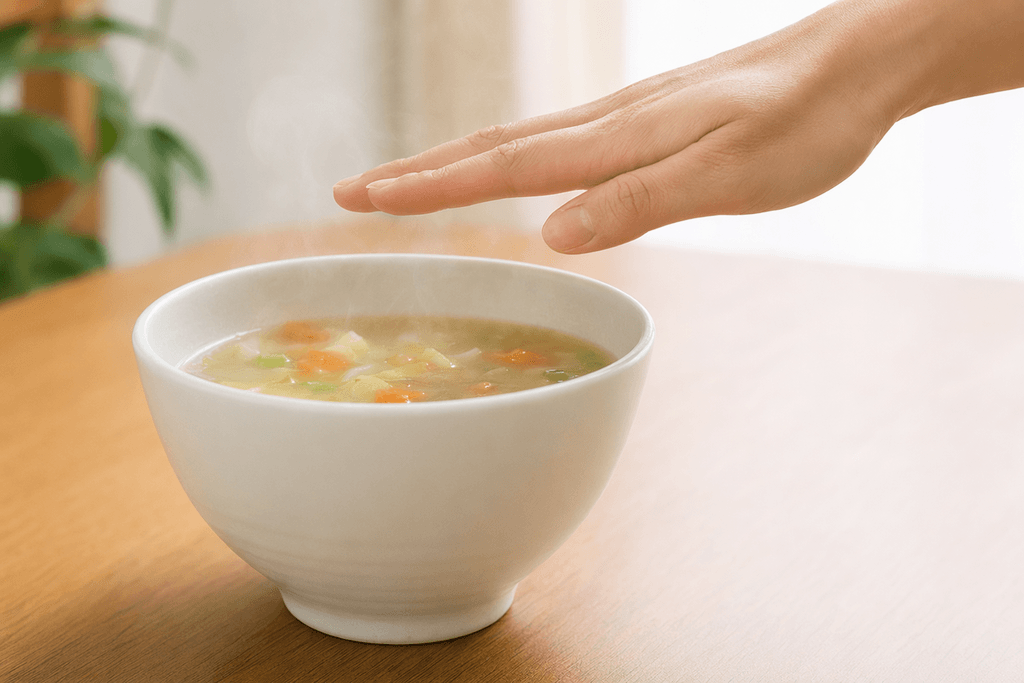
温い
微溫
温い
微溫
Explanation
温い
微溫
温い
微溫的 / 不冷不熱的
Word Forms
The basic and commonly used forms of this adjective.
Basic forms
| Form | Word form | Usage |
|---|---|---|
| Imperfective form (mizenkei) | Used in forms such as karou; mainly literary. | |
| Continuative form (renyokei) |
Alternative:
温かっ
|
Used in forms such as kute and kunai. |
| Conclusive form (shushikei) | Ends a sentence. | |
| Attributive form (rentaikei) | Modifies a noun. | |
| Conditional form (kateikei) | Expresses a condition with kereba. | |
| Imperative form (meireikei) | Rarely used in modern Japanese. |
Common forms
自分
自己
自分
自己
Explanation
自分
自己
自分
自己;自身 / 第一人稱代詞(表示較低身分或謙遜):我、我本人 / (關西用法)你

( Base form )
( romanization )
( hiragana )
だんだん
漸漸
だんだん
漸漸
Explanation
漸漸
だんだん
漸漸地 / 逐漸地 / 慢慢地
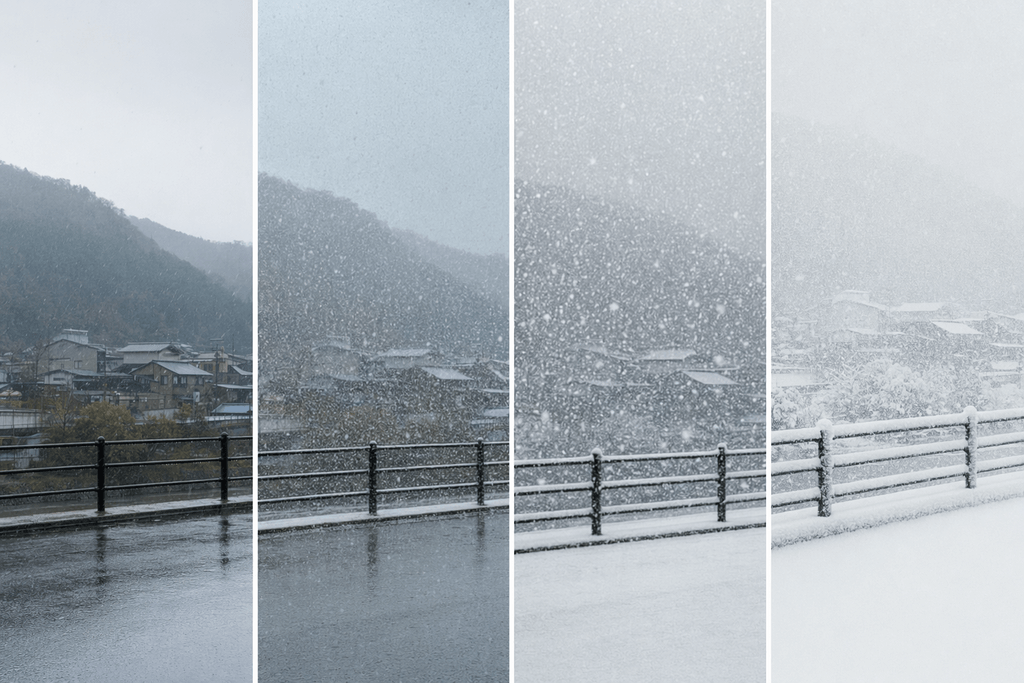
百
百
百
百
Explanation
百
百
百
一百(古) / 許多、眾多(古)

( romanization )
( hiragana )
引く
拉
引く
拉
Explanation
引く
拉
引く
拉(把東西往自己方向拉) / 拖、拉著走;帶著走 / 招攬、招來;聚攏

Word Forms
The basic and commonly used forms of this verb.
Basic forms
| Form | Word form | Usage |
|---|---|---|
| Imperfective form (mizenkei) |
Alternative:
引こ
|
Connects to endings such as nai, reru, and seru. |
| Continuative form (renyokei) | Connects to endings such as masu, tai, and ta. | |
| Conclusive form (shushikei) | Ends a sentence and serves as the dictionary form. | |
| Attributive form (rentaikei) | Modifies a noun. | |
| Conditional form (kateikei) | Combines with ba to express a condition. | |
| Imperative form (meireikei) | Expresses a command or instruction. |
Common forms
| Form | Word form | Usage |
|---|---|---|
| Te-form | Connects clauses with te. | |
| Ta-form | Expresses the past with ta. | |
| Nai-form | Expresses negation with nai. | |
| Masu-form | Used for polite speech. | |
| Ba-form | Expresses a condition with ba. | |
| Volitional form | Expresses intention or invitation. |
Notes
からだ
身體
からだ
身體
Explanation
身體
からだ
身體 / 體格、身材 / 體質、健康狀況
( romanization )
( hiragana historical )
中
裡面
中
裡面
Explanation
中
裡面
中
內部 / 裡面 / 當中

( romanization )
( hiragana )
あぶない
危險
あぶない
危險
Explanation
危險
あぶない
危險的 / 不可靠的 / 岌岌可危的

Word Forms
The basic and commonly used forms of this adjective.
Basic forms
| Form | Word form | Usage |
|---|---|---|
| Imperfective form (mizenkei) | Used in forms such as karou; mainly literary. | |
| Continuative form (renyokei) |
Alternative:
あぶなかっ
|
Used in forms such as kute and kunai. |
| Conclusive form (shushikei) | Ends a sentence. | |
| Attributive form (rentaikei) | Modifies a noun. | |
| Conditional form (kateikei) | Expresses a condition with kereba. | |
| Imperative form (meireikei) | Rarely used in modern Japanese. |
Common forms
| Form | Word form | Usage |
|---|---|---|
| Te-form |
Alternative:
あぶのうて
|
Connects clauses with kute. |
| Ta-form | Expresses the past with katta. | |
| Nai-form | Expresses negation with kunai. | |
| Ba-form |
Alternative:
あぶなきゃ
|
Expresses a condition with kereba. |
Notes
あまり
不太
あまり
不太
Explanation
不太
あまり
不太 / 不怎麼 / 不大

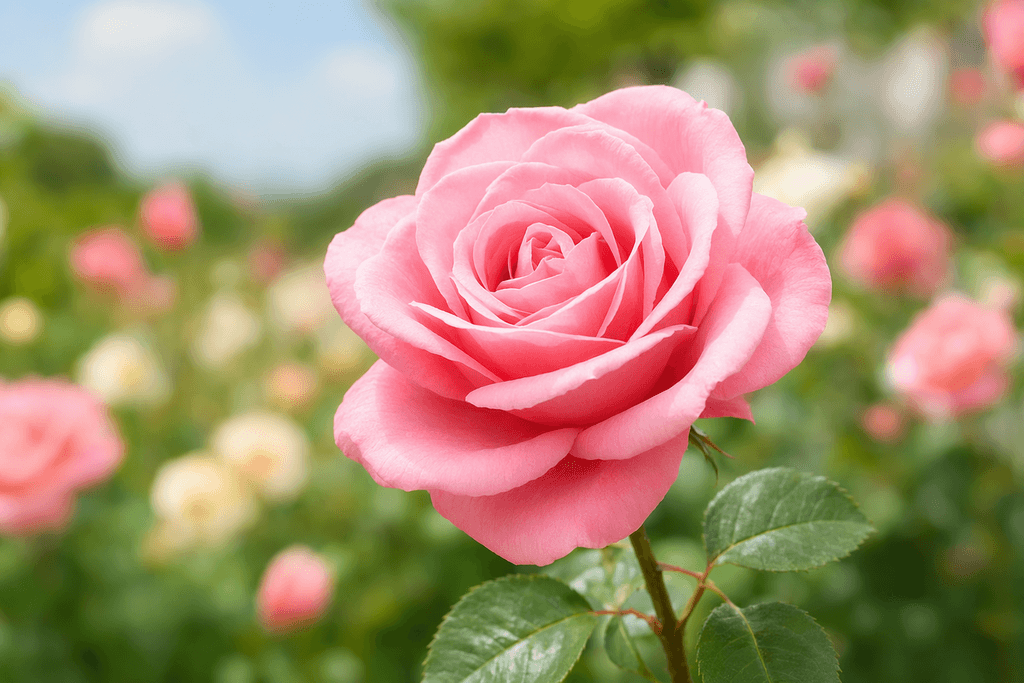
綺麗
漂亮 / 乾淨
綺麗
漂亮 / 乾淨
Explanation
綺麗
漂亮 / 乾淨
綺麗
美麗、漂亮 / 乾淨、整潔、清澈、純淨 / 公正、公平、光明正大
Word Forms
The basic and commonly used forms of this adjectival noun.
Basic forms
| Form | Word form | Usage |
|---|---|---|
| Imperfective form (mizenkei) |
Alternative:
きれいだろ
|
Used in forms such as darou. |
| Continuative form (renyokei) |
Alternative:
きれいで
綺麗に
きれいに
綺麗だっ
きれいだっ
|
Used with de or ni. |
| Conclusive form (shushikei) |
Alternative:
きれいだ
|
Ends a sentence with da. |
| Attributive form (rentaikei) |
Alternative:
きれいな
|
Modifies a noun with na. |
| Conditional form (kateikei) |
Alternative:
きれいなら
|
Expresses a condition with nara. |
| Imperative form (meireikei) |
Alternative:
きれいであれ
|
Used in formal expressions such as de are. |
Common forms
| Form | Word form | Usage |
|---|---|---|
| Te-form equivalent |
Alternative:
きれいで
|
Connects clauses using de. |
| Ta-form |
Alternative:
きれいだった
|
Expresses the past with datta. |
| Nai-form |
Alternative:
きれいではない
綺麗じゃない
きれいじゃない
|
Expresses negation with dewa nai or ja nai. |
| Desu-form |
Alternative:
きれいです
|
Used for polite speech. |
Notes
Loading...

JLPT N5 多言語単語帳・665語 / JLPT N5 Multilingual Vocabulary: 665 Words

Jonathan Waller 氏の JLPT Resources の語彙リスト・レベル分類を出典とし、CC BY の条件に従って DiQt が初級向けに意味を作り直した665語の単語帳です。JLPT公式の語彙リストではありません。
This collection of 665 words is based on the vocabulary list and level classifications in Jonathan Waller’s JLPT Resources under CC BY, with meanings rewritten by DiQt for beginners. It is not an official JLPT vocabulary list.
Key Operations
Select the first quiz:
Ctrl + Enter
View Explanation:Ctrl + G
Close a feedback:Esc
When selecting a quiz
Answer:Enter
Select a choice:↓ or ↑
Reading out the question:Ctrl + K
View Hint: Ctrl + M
I don't know: Ctrl + Y



