
JLPT N5 詞義四選一 - Unsolved

透過四選一題目,用繁體中文學習JLPT N5的665個單字詞義。
-
春天
-
口袋
-
一
-
方便
-
熱鬧
-
不擅長
- 「大丈夫」はナ形容詞(形容動詞)として用いられます。
- 否定形は「大丈夫ではない」を標準形とし、口語形として「大丈夫じゃない」も用いられます。
-
放
-
到達
-
關
-
哥哥
-
八天 / 八號
-
附近
-
病
-
旁邊
-
兩天 / 二號
-
每個月
-
動物
-
弟弟
-
警察
-
一個人
-
零食
-
裙子
-
玩
-
海
-
八天 / 八號
-
哥哥
-
二
-
小
-
大
-
這個
仕事
工作
仕事
工作
Explanation
仕事
工作
仕事
工作 / 職務 / 任務

( Base form )
( romanization )
( hiragana )
大丈夫
沒問題
大丈夫
沒問題
Explanation
大丈夫
沒問題
大丈夫
(指人)沒事、安好、未受傷。 / (指物)完好無損、運作正常。 / 確定、沒問題;(接動詞て形後)不在意、無所謂。

Word Forms
The basic and commonly used forms of this adjectival noun.
Basic forms
| Form | Word form | Usage |
|---|---|---|
| Imperfective form (mizenkei) | Used in forms such as darou. | |
| Continuative form (renyokei) |
Alternative:
大丈夫に
大丈夫だっ
|
Used with de or ni. |
| Conclusive form (shushikei) | Ends a sentence with da. | |
| Attributive form (rentaikei) | Modifies a noun with na. | |
| Conditional form (kateikei) |
Alternative:
大丈夫であれば
|
Expresses a condition with nara. |
| Imperative form (meireikei) | Used in formal expressions such as de are. |
Common forms
| Form | Word form | Usage |
|---|---|---|
| Te-form equivalent | Connects clauses using de. | |
| Ta-form | Expresses the past with datta. | |
| Nai-form |
Alternative:
大丈夫じゃない
|
Expresses negation with dewa nai or ja nai. |
| Desu-form | Used for polite speech. |
Notes
返す
歸還
返す
歸還
Explanation
返す
歸還
返す
歸還 / 退回 / 還給

Word Forms
The basic and commonly used forms of this verb.
Basic forms
| Form | Word form | Usage |
|---|---|---|
| Imperfective form (mizenkei) |
Alternative:
返そ
|
Connects to endings such as nai, reru, and seru. |
| Continuative form (renyokei) | Connects to endings such as masu, tai, and ta. | |
| Conclusive form (shushikei) | Ends a sentence and serves as the dictionary form. | |
| Attributive form (rentaikei) | Modifies a noun. | |
| Conditional form (kateikei) | Combines with ba to express a condition. | |
| Imperative form (meireikei) | Expresses a command or instruction. |
Common forms
先月
上個月
先月
上個月
Explanation
先月
上個月
先月
上個月 / 上月 / 前一個月

( Base form )
( romanization )
( hiragana )
カップ
杯子
カップ
杯子
Explanation
杯子
カップ
帶把的杯子;馬克杯 / 獎盃 / 罩杯(胸罩的一部分)

( romanization )
テレビ
電視
テレビ
電視
Explanation
電視
テレビ
電視 / 電視機

( romanization )
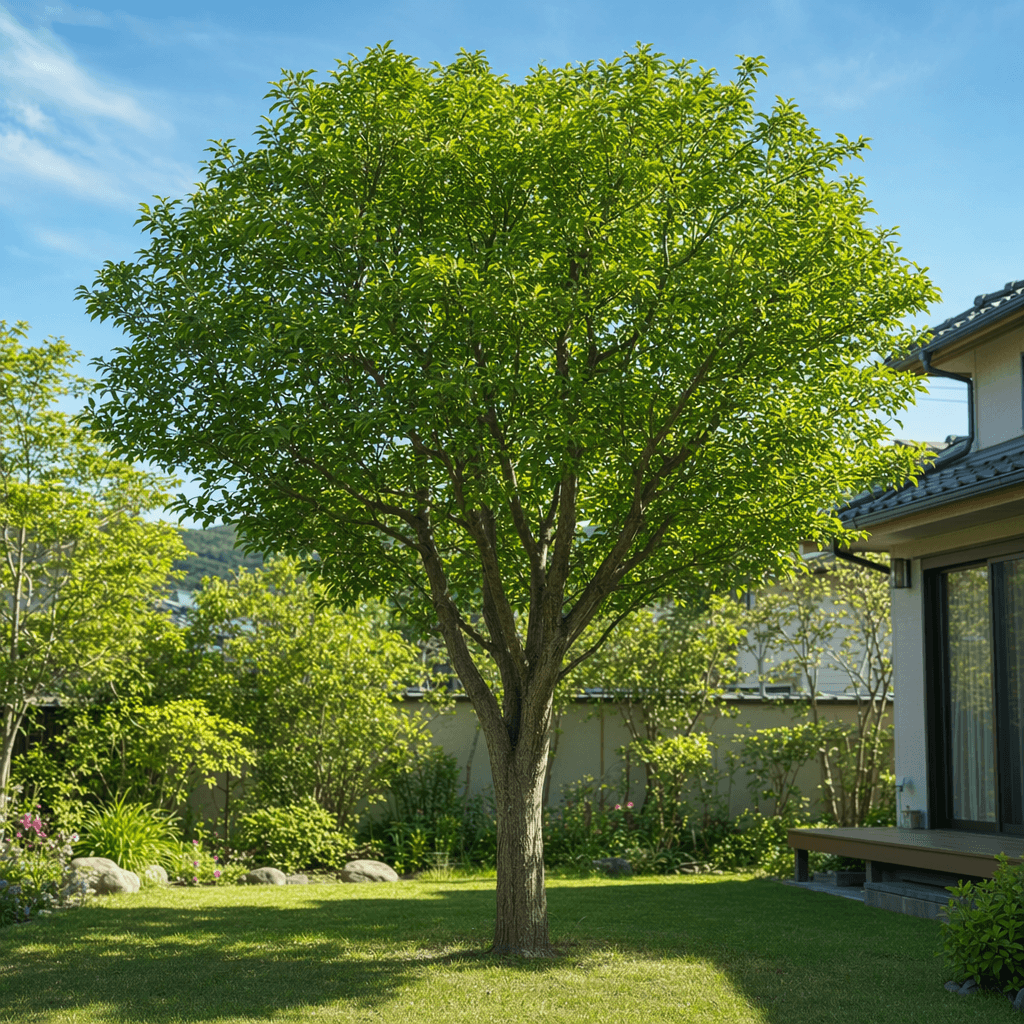
木
樹 / 木材
木
樹 / 木材
Explanation
木
樹 / 木材
木
樹木(尤指活的樹) / 木材、木料;木製品 / 古代中國音樂中的木製樂器(八音之一)
( romanization )
( hiragana )
半
一半
半
一半
Explanation
半
一半
半
(接尾)表示……又半 / (接尾)表示在數量或時間上再加上一半

( romanization )
( hiragana )
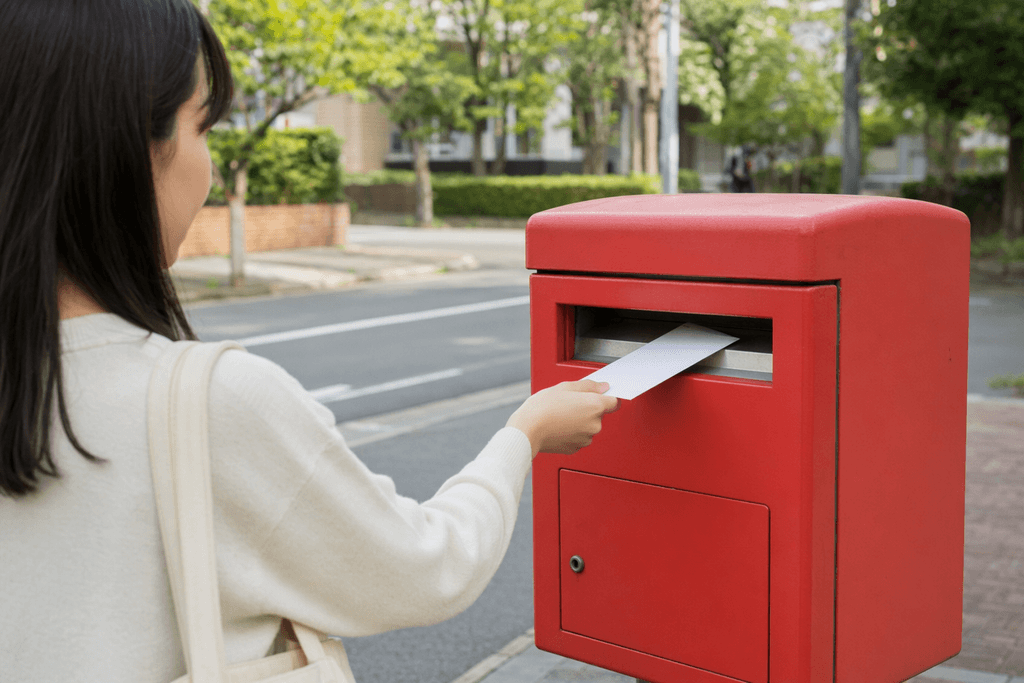
ポスト
郵筒
ポスト
郵筒
Explanation
郵筒
ポスト
郵筒(公共郵筒) / 職位或地位 / 柱子
( romanization )
その
那個
その
那個
Explanation
那個
その
那個 / 那 / 該

Loading...

JLPT N5 多言語単語帳・665語 / JLPT N5 Multilingual Vocabulary: 665 Words

Jonathan Waller 氏の JLPT Resources の語彙リスト・レベル分類を出典とし、CC BY の条件に従って DiQt が初級向けに意味を作り直した665語の単語帳です。JLPT公式の語彙リストではありません。
This collection of 665 words is based on the vocabulary list and level classifications in Jonathan Waller’s JLPT Resources under CC BY, with meanings rewritten by DiQt for beginners. It is not an official JLPT vocabulary list.
Key Operations
Select the first quiz:
Ctrl + Enter
View Explanation:Ctrl + G
Close a feedback:Esc
When selecting a quiz
Answer:Enter
Select a choice:↓ or ↑
Reading out the question:Ctrl + K
View Hint: Ctrl + M
I don't know: Ctrl + Y



