
JLPT N5 詞義四選一 - Unsolved

透過四選一題目,用繁體中文學習JLPT N5的665個單字詞義。
-
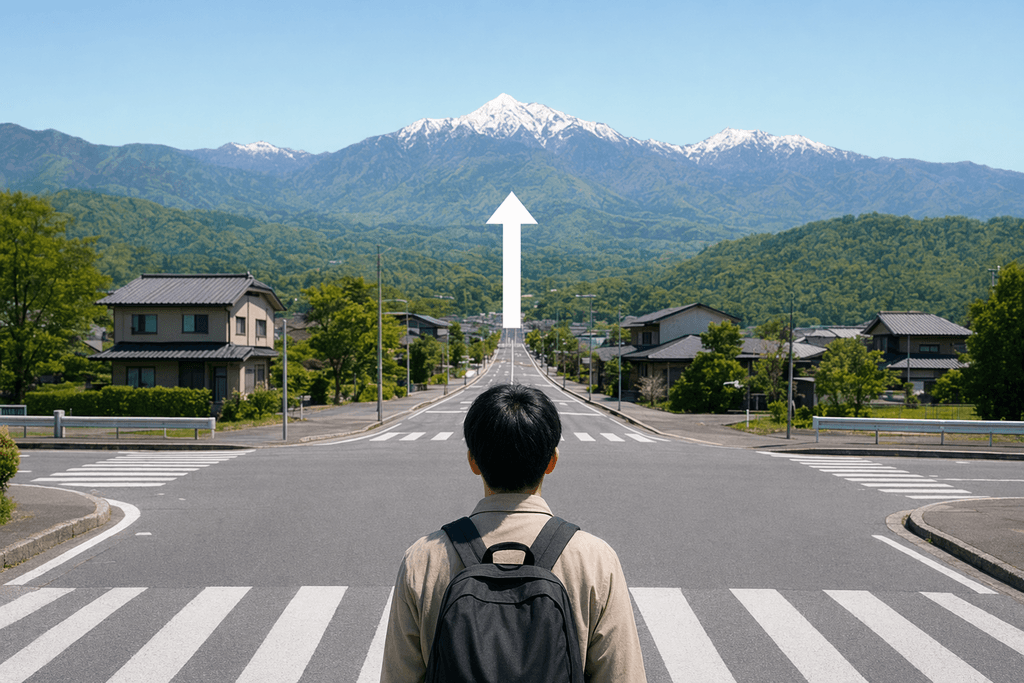
一直向前
-
熱鬧
-
擅長
- 見出し語「いや」は通常かな表記も多いが、漢字表記「嫌」に基づく活用形も併記。
- 形容動詞としての活用。連用形には接続により「嫌で」「嫌に」がある。
-
下面
-
阿姨 / 中年婦女
-
便當
-
桌子
-
食物
-
小孩
-
每天
-
已經
-
經常 / 好好地
-
後天
-
妹妹
-
學習
-
今天
-
一個人
-
食物
-
眼睛
-
暖爐
-
行李
-
危險
-
厚
-
涼爽
-
村莊
-
襯衫
-
房子
-
人
-
空閒時間
-
蔬果店
いや
討厭
いや
討厭
Explanation
討厭
いや
討厭的 / 令人不快的 / 令人厭惡的

Word Forms
The basic and commonly used forms of this adjectival noun.
Basic forms
| Form | Word form | Usage |
|---|---|---|
| Imperfective form (mizenkei) |
Alternative:
いやだろ
|
Used in forms such as darou. |
| Continuative form (renyokei) |
Alternative:
いやで
嫌に
いやに
|
Used with de or ni. |
| Conclusive form (shushikei) |
Alternative:
いやだ
|
Ends a sentence with da. |
| Attributive form (rentaikei) |
Alternative:
いやな
|
Modifies a noun with na. |
| Conditional form (kateikei) |
Alternative:
いやなら
|
Expresses a condition with nara. |
| Imperative form (meireikei) |
Alternative:
いやであれ
|
Used in formal expressions such as de are. |
Common forms
| Form | Word form | Usage |
|---|---|---|
| Te-form equivalent |
Alternative:
いやで
|
Connects clauses using de. |
| Ta-form |
Alternative:
いやだった
|
Expresses the past with datta. |
| Nai-form |
Alternative:
いやではない
嫌じゃない
いやじゃない
|
Expresses negation with dewa nai or ja nai. |
| Desu-form |
Alternative:
いやです
|
Used for polite speech. |
Notes
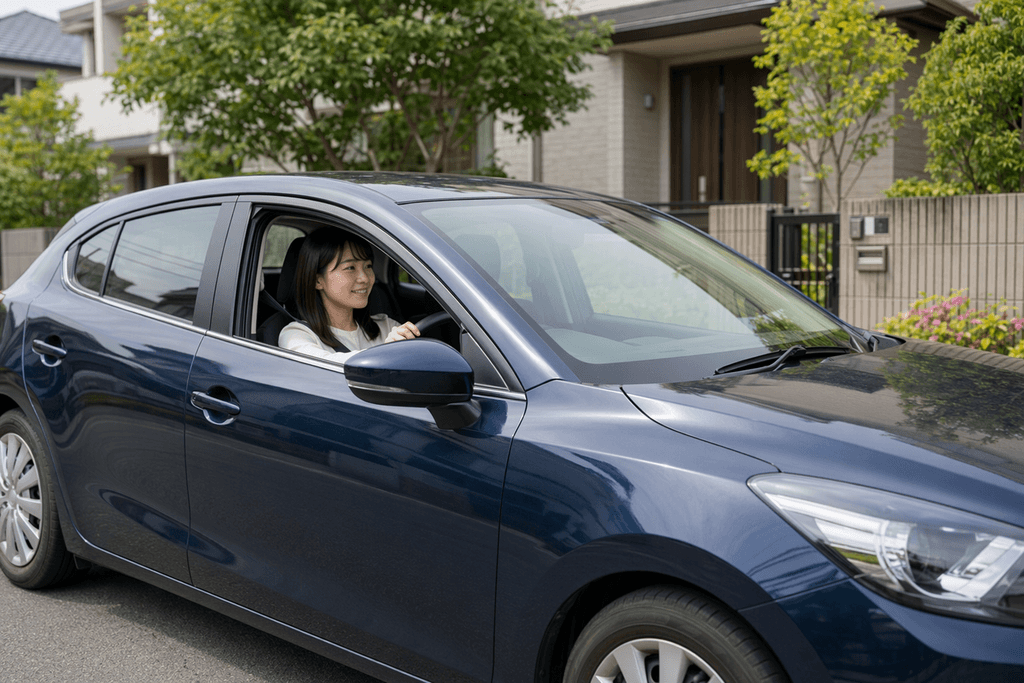
自動車
汽車
自動車
汽車
Explanation
自動車
汽車
自動車
汽車 / 車子 / 轎車
( Base form )
( romanization )
( romanization )
( hiragana historical )
( hiragana )
洋服
西式服裝
洋服
西式服裝
Explanation
洋服
西式服裝
洋服
西式服裝(相對於和服等日本服飾) / 西裝或洋裝 / 便服、日常衣著(相對於正式服裝)

( Base form )
( romanization )
( counter )
( hiragana )
時々
有時
時々
有時
Explanation
時々
有時
時々
有時 / 偶爾 / 時而

( Base form )
( romanization )
( hiragana )
電話
電話
電話
電話
Explanation
電話
電話
電話
電話;電話機 / 電話通話 / 來電

( Base form )
( romanization )
( hiragana )
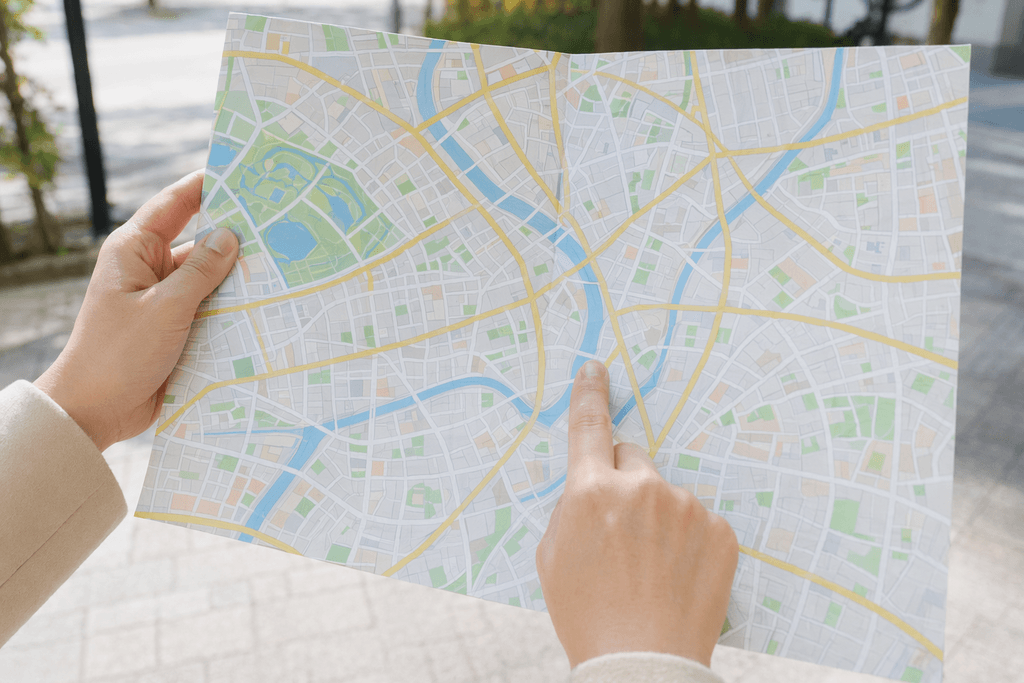
地図
地圖
地図
地圖
Explanation
地図
地圖
地図
標示地理位置、地形與地名的圖 / 導航或定位用的地理圖 / 地區範圍與交通路線的示意圖
( Base form )
( romanization )
( romanization )
( kyūjitai )
( hiragana historical )
( hiragana )
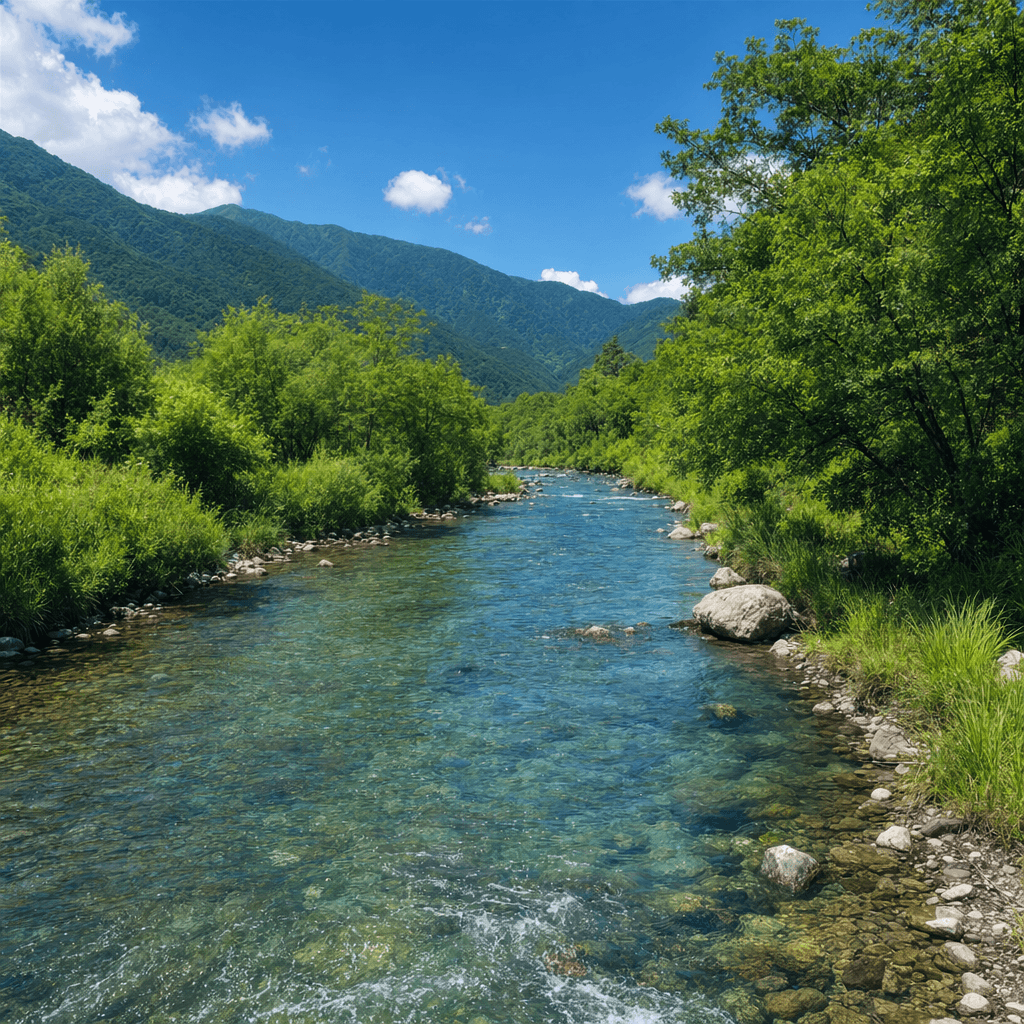
川
河
川
河
Explanation
川
河
川
河川 / 河流 / 溪流
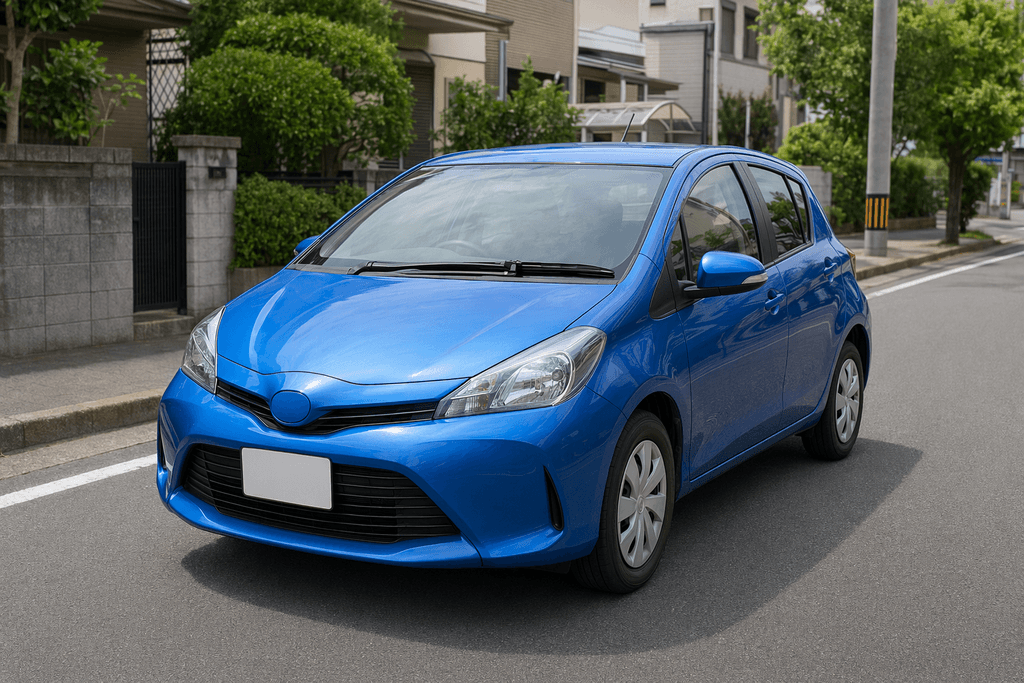
青い
藍色
青い
藍色
Explanation
青い
藍色
青い
藍色的;青色的 / 綠色的(指植物或交通號誌) / 蒼白的;未成熟的;缺乏經驗的
Word Forms
The basic and commonly used forms of this adjective.
Basic forms
| Form | Word form | Usage |
|---|---|---|
| Imperfective form (mizenkei) | Used in forms such as karou; mainly literary. | |
| Continuative form (renyokei) |
Alternative:
青かっ
|
Used in forms such as kute and kunai. |
| Conclusive form (shushikei) | Ends a sentence. | |
| Attributive form (rentaikei) | Modifies a noun. | |
| Conditional form (kateikei) | Expresses a condition with kereba. | |
| Imperative form (meireikei) | Rarely used in modern Japanese. |
Common forms
あたま
頭
あたま
頭
Explanation
頭
あたま
頭部 / 腦筋 / 開頭

( romanization )
北
北
北
北
Explanation
北
北
北
北方;北部 / 北風 / 先進國
( romanization )
( hiragana )
Loading...

JLPT N5 多言語単語帳・665語 / JLPT N5 Multilingual Vocabulary: 665 Words

Jonathan Waller 氏の JLPT Resources の語彙リスト・レベル分類を出典とし、CC BY の条件に従って DiQt が初級向けに意味を作り直した665語の単語帳です。JLPT公式の語彙リストではありません。
This collection of 665 words is based on the vocabulary list and level classifications in Jonathan Waller’s JLPT Resources under CC BY, with meanings rewritten by DiQt for beginners. It is not an official JLPT vocabulary list.
Key Operations
Select the first quiz:
Ctrl + Enter
View Explanation:Ctrl + G
Close a feedback:Esc
When selecting a quiz
Answer:Enter
Select a choice:↓ or ↑
Reading out the question:Ctrl + K
View Hint: Ctrl + M
I don't know: Ctrl + Y



