
JLPT N5 詞義四選一 - Unsolved

透過四選一題目,用繁體中文學習JLPT N5的665個單字詞義。
-
地下鐵
-
眼鏡
-
今年
-
刷牙 / 擦亮
-
關
-
開始
-
小
-
舊
-
紅色
-
信封
-
手
-
鈕扣
-
大
-
好
-
長
-
顏色
-
事實
-
糖果
-
為難
-
坐
-
消失 / 熄滅
-
聲音
-
前年
-
很多人
-
工作
-
放入
-
停下
-
五天 / 五號
-
陰天
-
開頭
帽子
帽子
帽子
帽子
Explanation
帽子
帽子
帽子
戴在頭上的遮蓋物。 / 用於防曬、保暖或裝飾的頭部服飾。

( Base form )
( romanization )
( hiragana )
覚える
記得 / 記住
覚える
記得 / 記住
Explanation
覚える
記得 / 記住
覚える
記住 / 記得

Word Forms
The basic and commonly used forms of this verb.
Basic forms
| Form | Word form | Usage |
|---|---|---|
| Imperfective form (mizenkei) | Connects to endings such as nai, reru, and seru. | |
| Continuative form (renyokei) | Connects to endings such as masu, tai, and ta. | |
| Conclusive form (shushikei) | Ends a sentence and serves as the dictionary form. | |
| Attributive form (rentaikei) | Modifies a noun. | |
| Conditional form (kateikei) | Combines with ba to express a condition. | |
| Imperative form (meireikei) |
Alternative:
覚えよ
|
Expresses a command or instruction. |
Common forms
黄色い
黃色
黄色い
黃色
Explanation
黄色い
黃色
黄色い
黃色的 / (聲音)尖細的

Word Forms
The basic and commonly used forms of this adjective.
Basic forms
| Form | Word form | Usage |
|---|---|---|
| Imperfective form (mizenkei) | Used in forms such as karou; mainly literary. | |
| Continuative form (renyokei) |
Alternative:
黄色かっ
|
Used in forms such as kute and kunai. |
| Conclusive form (shushikei) | Ends a sentence. | |
| Attributive form (rentaikei) | Modifies a noun. | |
| Conditional form (kateikei) | Expresses a condition with kereba. | |
| Imperative form (meireikei) | Rarely used in modern Japanese. |
Common forms
お皿
盤子
お皿
盤子
Explanation
お皿
盤子
お皿
盤子 / 碟子 / 菜盤

( romanization )
( hiragana )
弱い
弱
弱い
弱
Explanation
弱い
弱
弱い
虛弱的;力氣不足 / 不擅長的;能力不足 / 脆弱的;抵抗力弱

Word Forms
The basic and commonly used forms of this adjective.
Basic forms
| Form | Word form | Usage |
|---|---|---|
| Imperfective form (mizenkei) | Used in forms such as karou; mainly literary. | |
| Continuative form (renyokei) |
Alternative:
弱かっ
|
Used in forms such as kute and kunai. |
| Conclusive form (shushikei) | Ends a sentence. | |
| Attributive form (rentaikei) | Modifies a noun. | |
| Conditional form (kateikei) | Expresses a condition with kereba. | |
| Imperative form (meireikei) | Rarely used in modern Japanese. |
Common forms
本
書
本
書
Explanation
本
書
本
書籍 / 劇本 / 根源

( romanization )
( counter )
( hiragana )
浴びる
淋浴
浴びる
淋浴
Explanation
浴びる
淋浴
浴びる
洗澡 / 淋浴 / 沐浴

Word Forms
The basic and commonly used forms of this verb.
Basic forms
| Form | Word form | Usage |
|---|---|---|
| Imperfective form (mizenkei) | Connects to endings such as nai, reru, and seru. | |
| Continuative form (renyokei) | Connects to endings such as masu, tai, and ta. | |
| Conclusive form (shushikei) | Ends a sentence and serves as the dictionary form. | |
| Attributive form (rentaikei) | Modifies a noun. | |
| Conditional form (kateikei) | Combines with ba to express a condition. | |
| Imperative form (meireikei) |
Alternative:
浴びよ
|
Expresses a command or instruction. |
Common forms
スポーツ
運動
スポーツ
運動
Explanation
運動
スポーツ
運動 / 體育
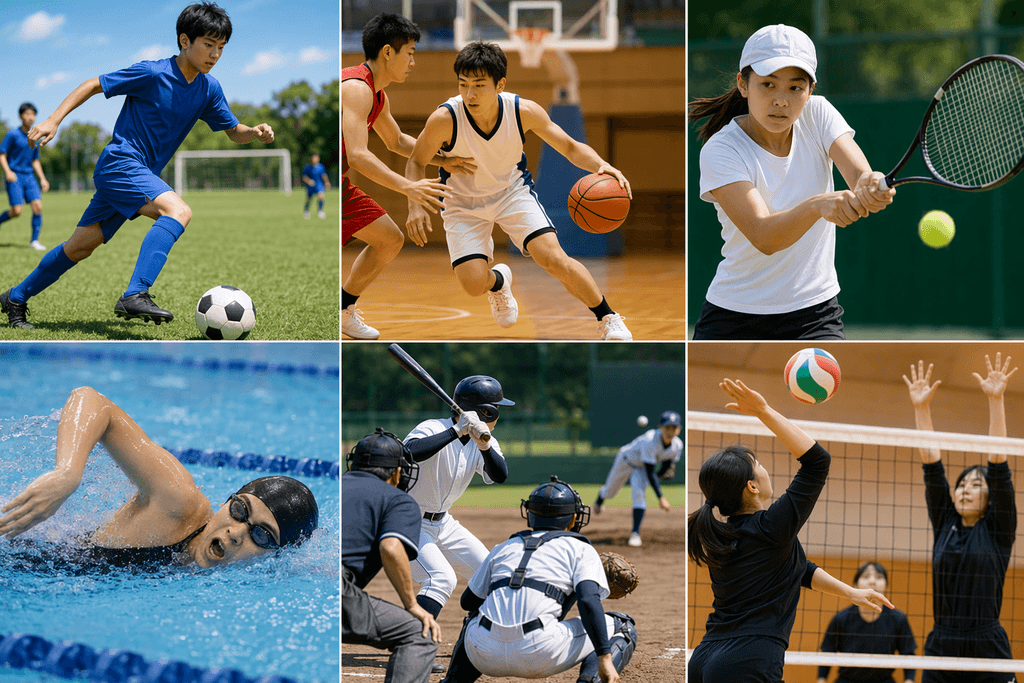
( romanization )
出る
出去 / 離開
出る
出去 / 離開
Explanation
出る
出去 / 離開
出る
出去 / 出來 / 離開

Word Forms
The basic and commonly used forms of this verb.
Basic forms
| Form | Word form | Usage |
|---|---|---|
| Imperfective form (mizenkei) | Connects to endings such as nai, reru, and seru. | |
| Continuative form (renyokei) | Connects to endings such as masu, tai, and ta. | |
| Conclusive form (shushikei) | Ends a sentence and serves as the dictionary form. | |
| Attributive form (rentaikei) | Modifies a noun. | |
| Conditional form (kateikei) | Combines with ba to express a condition. | |
| Imperative form (meireikei) |
Alternative:
出よ
|
Expresses a command or instruction. |
Common forms
教室
教室
教室
教室
Explanation
教室
教室
教室
學校或教育機構用來上課的房間 / 上課的場所 / 供教學活動使用的室內空間

( Base form )
( romanization )
( hiragana )
Loading...

JLPT N5 多言語単語帳・665語 / JLPT N5 Multilingual Vocabulary: 665 Words

Jonathan Waller 氏の JLPT Resources の語彙リスト・レベル分類を出典とし、CC BY の条件に従って DiQt が初級向けに意味を作り直した665語の単語帳です。JLPT公式の語彙リストではありません。
This collection of 665 words is based on the vocabulary list and level classifications in Jonathan Waller’s JLPT Resources under CC BY, with meanings rewritten by DiQt for beginners. It is not an official JLPT vocabulary list.
Key Operations
Select the first quiz:
Ctrl + Enter
View Explanation:Ctrl + G
Close a feedback:Esc
When selecting a quiz
Answer:Enter
Select a choice:↓ or ↑
Reading out the question:Ctrl + K
View Hint: Ctrl + M
I don't know: Ctrl + Y



