
JLPT N5 詞義四選一 - Unsolved

透過四選一題目,用繁體中文學習JLPT N5的665個單字詞義。
-
麵包
-
暖爐
-
旁邊 / 橫向
-
錢包
-
學校
-
早晨
-
手
-
字典
-
難題 / 題目
-
人
-
筆記本
-
前面 / 之前
-
肥皂
-
家庭
-
打掃
-
睡覺 / 上床睡覺
-
起床
-
影印
-
每晚
-
不太
-
為什麼
-
熱鬧
-
安靜
-
非常喜歡
-
蛋
-
食物
-
房子
-
這個
-
這邊
-
我
日曜日
星期日
日曜日
星期日
Explanation
日曜日
星期日
日曜日
星期日 / 星期天 / 週日

( Base form )
( romanization )
( romanization )
( hiragana historical )
( hiragana )
大使館
大使館
大使館
大使館
Explanation
大使館
大使館
大使館
國家在他國首都設置的最高層級外交代表機構 / 辦理外交與簽證等對外事務的機構
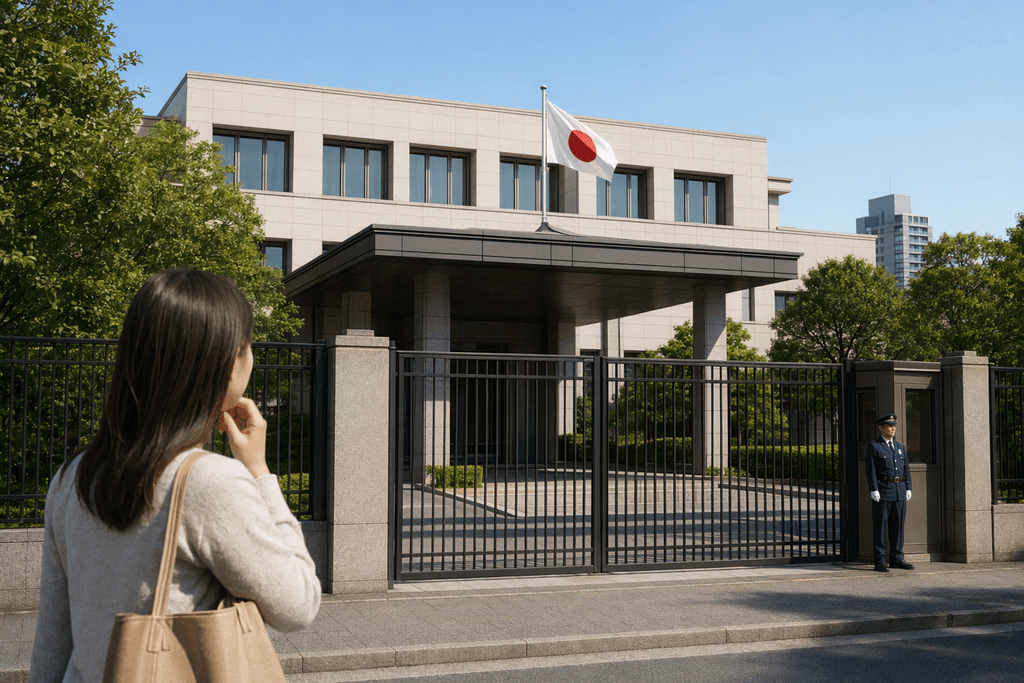
( Base form )
( romanization )
( romanization )
( hiragana historical )
( hiragana )
ラジカセ
收錄音機
ラジカセ
收錄音機
Explanation
收錄音機
ラジカセ
結合收音機與卡式錄音帶播放器的便攜音響 / 可播放卡式錄音帶並收聽廣播的手提音響 / 具收音與卡式錄音帶播放功能的箱型音響

( romanization )
( counter )
野菜
蔬菜
野菜
蔬菜
Explanation
野菜
蔬菜
野菜
蔬菜 / 菜蔬

( Base form )
( romanization )
( hiragana )
豚肉
豬肉
豚肉
豬肉
Explanation
豚肉
豬肉
豚肉
豬肉 / 豬的肉

( Base form )
( romanization )
( hiragana )
遊ぶ
玩
遊ぶ
玩
Explanation
遊ぶ
玩
遊ぶ
玩耍 / 玩樂 / 消遣

Word Forms
The basic and commonly used forms of this verb.
Basic forms
| Form | Word form | Usage |
|---|---|---|
| Imperfective form (mizenkei) |
Alternative:
遊ぼ
|
Connects to endings such as nai, reru, and seru. |
| Continuative form (renyokei) | Connects to endings such as masu, tai, and ta. | |
| Conclusive form (shushikei) | Ends a sentence and serves as the dictionary form. | |
| Attributive form (rentaikei) | Modifies a noun. | |
| Conditional form (kateikei) | Combines with ba to express a condition. | |
| Imperative form (meireikei) | Expresses a command or instruction. |
Common forms
とても
非常
とても
非常
Explanation
非常
とても
非常 / 很 / 極為

( romanization )
有名
有名
有名
有名
Explanation
有名
有名
有名
著名 / 知名 / 聞名

Word Forms
The basic and commonly used forms of this adjectival noun.
Basic forms
| Form | Word form | Usage |
|---|---|---|
| Imperfective form (mizenkei) | Used in forms such as darou. | |
| Continuative form (renyokei) |
Alternative:
有名に
|
Used with de or ni. |
| Conclusive form (shushikei) | Ends a sentence with da. | |
| Attributive form (rentaikei) | Modifies a noun with na. | |
| Conditional form (kateikei) | Expresses a condition with nara. | |
| Imperative form (meireikei) | Used in formal expressions such as de are. |
Common forms
六つ
六
六つ
六
Explanation
六つ
六
六つ
六個(小東西) / 六件(一般物品) / 六(泛指物品的數量)

( Base form )
( romanization )
どっち
哪一個 / 哪邊
どっち
哪一個 / 哪邊
Explanation
哪一個 / 哪邊
どっち
哪一個(口語) / 哪一邊、哪個方向(口語) / 任一個;哪個都可以(口語)

( romanization )
Loading...

JLPT N5 多言語単語帳・665語 / JLPT N5 Multilingual Vocabulary: 665 Words

Jonathan Waller 氏の JLPT Resources の語彙リスト・レベル分類を出典とし、CC BY の条件に従って DiQt が初級向けに意味を作り直した665語の単語帳です。JLPT公式の語彙リストではありません。
This collection of 665 words is based on the vocabulary list and level classifications in Jonathan Waller’s JLPT Resources under CC BY, with meanings rewritten by DiQt for beginners. It is not an official JLPT vocabulary list.
Key Operations
Select the first quiz:
Ctrl + Enter
View Explanation:Ctrl + G
Close a feedback:Esc
When selecting a quiz
Answer:Enter
Select a choice:↓ or ↑
Reading out the question:Ctrl + K
View Hint: Ctrl + M
I don't know: Ctrl + Y



