
JLPT N2 Vocabulary Meanings - Unsolved

Learn the English meanings of 1790 JLPT N2 words through questions with four answer choices.
-
perhaps
-
heart pounding
-
for now
-
temporary closure
-
evening newspaper
-
coal mine
-
grateful / apologetic
-
greedy
-
modern
- 「真っ青」はナ形容詞(形容動詞)として「真っ青な空」「顔が真っ青だ」のように用いられる。
- 連用形「真っ青に」は「真っ青になる」のような副詞的用法。
-
be taught
-
act arrogantly
-
be caught between
-
stoppage / suspension
-
drum
-
gymnastics / exercises
-
commuting
-
gravity
-
one-way trip
-
chest of drawers
-
printout / handout
-
entrance and exit
-
get rusty
-
take on
-
tell / indicate
- 五段活用(ワア行)。「と付き合う」「に付き合う」の形で用いられることが多い。
-
be appalled
-
be dented / feel down
-
tilt / lean toward
- 「流行る」はラ行五段活用。連用形接続の「て/た」は促音便で「流行って/流行った」となる。
- 未然形は「ない」接続では「流行ら」、意志・推量の「う」接続では「流行ろ」を用いる。
-
both sides
-
fantasy
-
passage of a bill
ようやく
finally / barely
ようやく
finally / barely
Explanation
finally / barely
ようやく
at last; at length; finally / gradually / scarcely; hardly; barely

( Base form )
( romanization )
( romanization )
( hiragana historical )
目安
rough guide
目安
rough guide
Explanation
目安
rough guide
目安
reference, criterion, standard / rough indication, rough idea

( Base form )
( romanization )
( hiragana )
真っ青
deep blue / deathly pale
真っ青
deep blue / deathly pale
Explanation
真っ青
deep blue / deathly pale
真っ青
deep blue / (of a face) pallid; pale

Word Forms
The basic and commonly used forms of this adjectival noun.
Basic forms
| Form | Word form | Usage |
|---|---|---|
| Imperfective form (mizenkei) | Used in forms such as darou. | |
| Continuative form (renyokei) |
Alternative:
真っ青に
真っ青だっ
|
Used with de or ni. |
| Conclusive form (shushikei) |
Alternative:
真っ青である
|
Ends a sentence with da. |
| Attributive form (rentaikei) |
Alternative:
真っ青である
|
Modifies a noun with na. |
| Conditional form (kateikei) |
Alternative:
真っ青であれば
|
Expresses a condition with nara. |
| Imperative form (meireikei) | Used in formal expressions such as de are. |
Common forms
| Form | Word form | Usage |
|---|---|---|
| Te-form equivalent | Connects clauses using de. | |
| Ta-form |
Alternative:
真っ青でした
|
Expresses the past with datta. |
| Nai-form |
Alternative:
真っ青じゃない
|
Expresses negation with dewa nai or ja nai. |
| Desu-form | Used for polite speech. |
Notes
羨む
envy
羨む
envy
Explanation
羨む
envy
羨む
to envy, to be jealous of

Word Forms
The basic and commonly used forms of this verb.
Basic forms
| Form | Word form | Usage |
|---|---|---|
| Imperfective form (mizenkei) | Connects to endings such as nai, reru, and seru. | |
| Continuative form (renyokei) | Connects to endings such as masu, tai, and ta. | |
| Conclusive form (shushikei) | Ends a sentence and serves as the dictionary form. | |
| Attributive form (rentaikei) | Modifies a noun. | |
| Conditional form (kateikei) | Combines with ba to express a condition. | |
| Imperative form (meireikei) | Expresses a command or instruction. |
Common forms
鉱物
mineral
鉱物
mineral
Explanation
鉱物
mineral
鉱物

( Base form )
( romanization )
( hiragana )
寝台
bed / sleeping berth
寝台
bed / sleeping berth
Explanation
寝台
bed / sleeping berth
寝台

( Base form )
( Base form )
( romanization )
( romanization )
( hiragana )
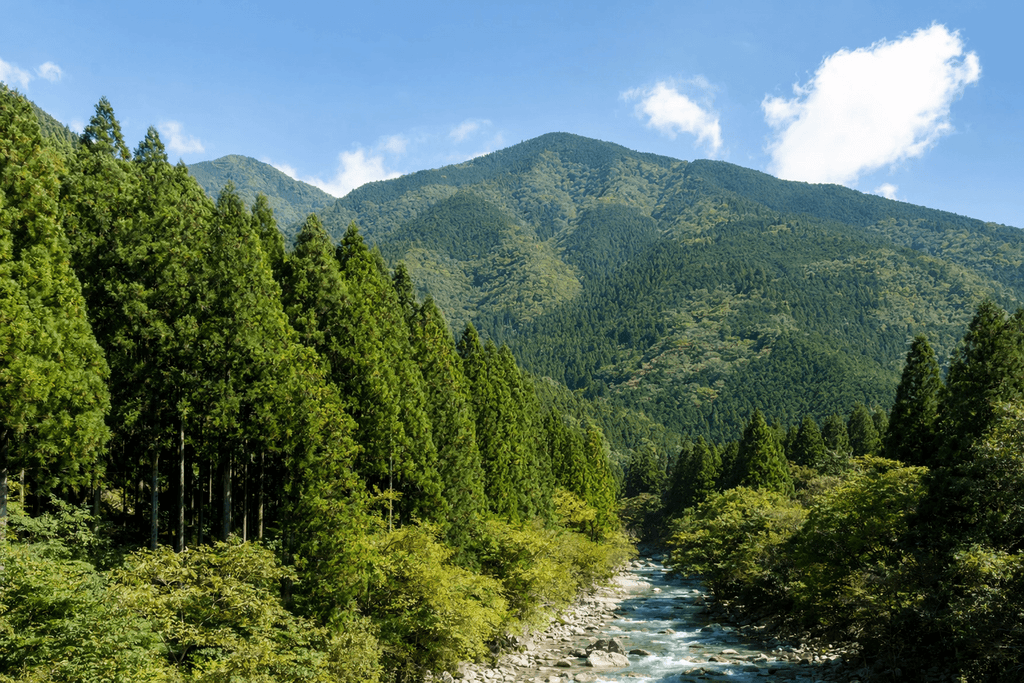
山林
mountain forest
山林
mountain forest
Explanation
山林
mountain forest
山林
mountains and forests / mountain forest
( Base form )
( romanization )
( hiragana )
付き合う
associate with / date
付き合う
associate with / date
Explanation
付き合う
associate with / date
付き合う
to go out with, to be dating / to keep company with, to get along with

Word Forms
The basic and commonly used forms of this verb.
Basic forms
| Form | Word form | Usage |
|---|---|---|
| Imperfective form (mizenkei) |
Alternative:
付き合お
|
Connects to endings such as nai, reru, and seru. |
| Continuative form (renyokei) | Connects to endings such as masu, tai, and ta. | |
| Conclusive form (shushikei) | Ends a sentence and serves as the dictionary form. | |
| Attributive form (rentaikei) | Modifies a noun. | |
| Conditional form (kateikei) | Combines with ba to express a condition. | |
| Imperative form (meireikei) | Expresses a command or instruction. |
Common forms
| Form | Word form | Usage |
|---|---|---|
| Te-form | Connects clauses with te. | |
| Ta-form | Expresses the past with ta. | |
| Nai-form | Expresses negation with nai. | |
| Masu-form | Used for polite speech. | |
| Ba-form | Expresses a condition with ba. | |
| Volitional form | Expresses intention or invitation. |
Notes
流行る
be popular / be in fashion
流行る
be popular / be in fashion
Explanation
流行る
be popular / be in fashion
流行る
be popular, be in vogue / especially for a disease to spread, go around, run rampant

Word Forms
The basic and commonly used forms of this verb.
Basic forms
| Form | Word form | Usage |
|---|---|---|
| Imperfective form (mizenkei) |
Alternative:
はやら
流行ろ
はやろ
|
Connects to endings such as nai, reru, and seru. |
| Continuative form (renyokei) |
Alternative:
はやり
|
Connects to endings such as masu, tai, and ta. |
| Conclusive form (shushikei) |
Alternative:
はやる
|
Ends a sentence and serves as the dictionary form. |
| Attributive form (rentaikei) |
Alternative:
はやる
|
Modifies a noun. |
| Conditional form (kateikei) |
Alternative:
はやれ
|
Combines with ba to express a condition. |
| Imperative form (meireikei) |
Alternative:
はやれ
|
Expresses a command or instruction. |
Common forms
| Form | Word form | Usage |
|---|---|---|
| Te-form |
Alternative:
はやって
|
Connects clauses with te. |
| Ta-form |
Alternative:
はやった
|
Expresses the past with ta. |
| Nai-form |
Alternative:
はやらない
|
Expresses negation with nai. |
| Masu-form |
Alternative:
はやります
|
Used for polite speech. |
| Ba-form |
Alternative:
はやれば
|
Expresses a condition with ba. |
| Volitional form |
Alternative:
はやろう
|
Expresses intention or invitation. |
Notes
ボーナス
bonus
ボーナス
bonus
Explanation
bonus
ボーナス
bonus (extra amount of money given as a premium) / (gaming) bonus (stage, item, etc.)

( romanization )
Loading...

JLPT N2 多言語単語帳・1790語 / JLPT N2 Multilingual Vocabulary: 1790 Words

Jonathan Waller 氏の JLPT Resources の語彙リスト・レベル分類を出典とし、CC BY の条件に従って DiQt が学習者向けに意味を作り直した1790語の単語帳です。JLPT公式の語彙リストではありません。
This collection of 1790 words is based on the vocabulary list and level classifications in Jonathan Waller’s JLPT Resources under CC BY, with meanings rewritten by DiQt for learners. It is not an official JLPT vocabulary list.
Key Operations
Select the first quiz:
Ctrl + Enter
View Explanation:Ctrl + G
Close a feedback:Esc
When selecting a quiz
Answer:Enter
Select a choice:↓ or ↑
Reading out the question:Ctrl + K
View Hint: Ctrl + M
I don't know: Ctrl + Y



