
JLPT N4 शब्दार्थ अभ्यास - Unsolved

चार विकल्प भएका प्रश्नबाट JLPT N4 का 631 शब्दका अर्थ नेपालीमा सिक्नुहोस्।
-
लज्जित
-
खुसी
-
तीतो
-
रुचि
-
दुर्घटना
-
भावना / मनोभाव
-
मनोभाव
-
निमन्त्रणा
-
तातामी चकटी
-
सुटकेस
-
बाहेक
-
पञ्जा
-
व्याख्यान
-
पेट्रोल
-
सानो वन
-
टेक्नु
-
जारी राख्नु
-
पुग्नु
-
प्रायः
-
बिस्तारै / चाँडै
-
सीधै / अचानक
-
स्यान्डविच
-
आगलागी
-
रेशम
-
बल / शक्ति
-
छोरी / युवती
-
पुराना दिनहरू
-
देख्नु / हेर्नु
-
बिगार्नु
-
चिसो हुनु
かたい
कडा
かたい
कडा
Explanation
कडा
かたい
कडा / कसिलो / कठोर
Word Forms
The basic and commonly used forms of this adjective.
Basic forms
| Form | Word form | Usage |
|---|---|---|
| Imperfective form (mizenkei) |
Alternative:
固かろ
硬かろ
堅かろ
|
Used in forms such as karou; mainly literary. |
| Continuative form (renyokei) |
Alternative:
固く
硬く
堅く
|
Used in forms such as kute and kunai. |
| Conclusive form (shushikei) |
Alternative:
固い
硬い
堅い
|
Ends a sentence. |
| Attributive form (rentaikei) |
Alternative:
固い
硬い
堅い
|
Modifies a noun. |
| Conditional form (kateikei) |
Alternative:
固けれ
硬けれ
堅けれ
|
Expresses a condition with kereba. |
| Imperative form (meireikei) |
Alternative:
固かれ
硬かれ
堅かれ
|
Rarely used in modern Japanese. |
Common forms
| Form | Word form | Usage |
|---|---|---|
| Te-form |
Alternative:
固くて
硬くて
堅くて
|
Connects clauses with kute. |
| Ta-form |
Alternative:
固かった
硬かった
堅かった
|
Expresses the past with katta. |
| Nai-form |
Alternative:
固くない
硬くない
堅くない
|
Expresses negation with kunai. |
| Ba-form |
Alternative:
固ければ
硬ければ
堅ければ
|
Expresses a condition with kereba. |
会話
कुराकानी
会話
कुराकानी
Explanation
会話
कुराकानी
会話
संवाद / कुराकानी / वार्तालाप

( Base form )
( romanization )
( kyūjitai )
( hiragana )
引き出し
घर्रा
引き出し
घर्रा
Explanation
引き出し
घर्रा
引き出し
दराज / अलमारी वा मेजमा तानेर खोलिने कक्ष

( Base form )
( romanization )
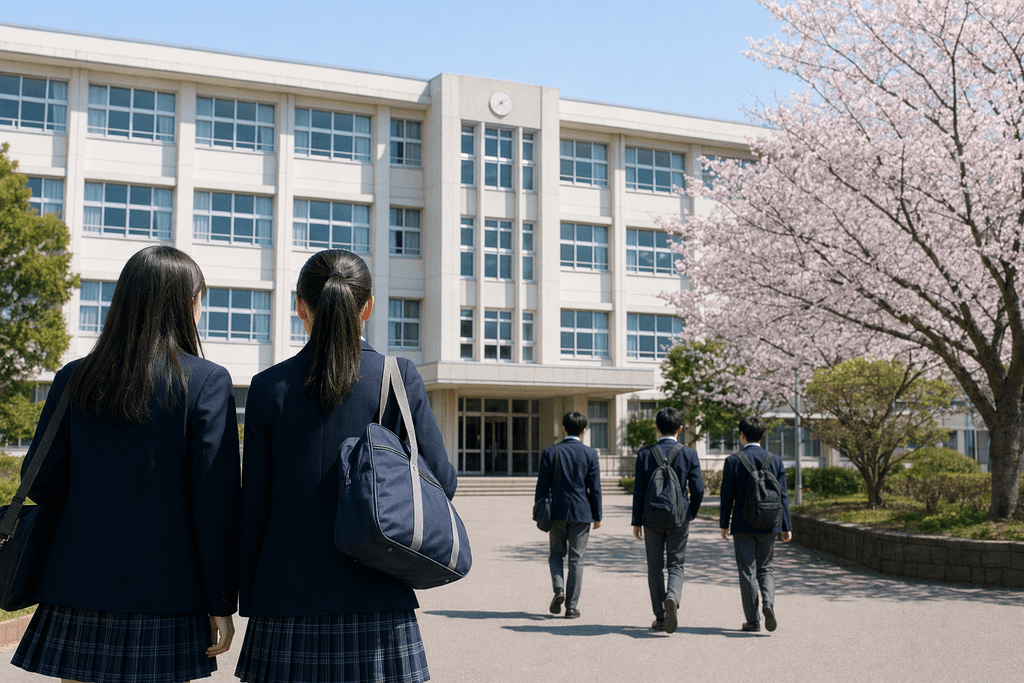
高等学校
उच्च माध्यमिक विद्यालय
高等学校
उच्च माध्यमिक विद्यालय
Explanation
高等学校
उच्च माध्यमिक विद्यालय
高等学校
उच्च माध्यमिक विद्यालय / हाइस्कूल / वरिष्ठ माध्यमिक विद्यालय
( Base form )
( romanization )
( romanization )
( hiragana historical )
( hiragana )
点
अङ्क / थोप्लो
点
अङ्क / थोप्लो
Explanation
点
अङ्क / थोप्लो
点
बिन्दु/धब्बा / अंक / बुँदा

( romanization )
( hiragana )
捨てる
फाल्नु
捨てる
फाल्नु
Explanation
捨てる
फाल्नु
捨てる
फ्याँक्नु / त्याग्नु / छोड्नु

Word Forms
The basic and commonly used forms of this verb.
Basic forms
| Form | Word form | Usage |
|---|---|---|
| Imperfective form (mizenkei) | Connects to endings such as nai, reru, and seru. | |
| Continuative form (renyokei) | Connects to endings such as masu, tai, and ta. | |
| Conclusive form (shushikei) | Ends a sentence and serves as the dictionary form. | |
| Attributive form (rentaikei) | Modifies a noun. | |
| Conditional form (kateikei) | Combines with ba to express a condition. | |
| Imperative form (meireikei) |
Alternative:
捨てよ
|
Expresses a command or instruction. |
Common forms
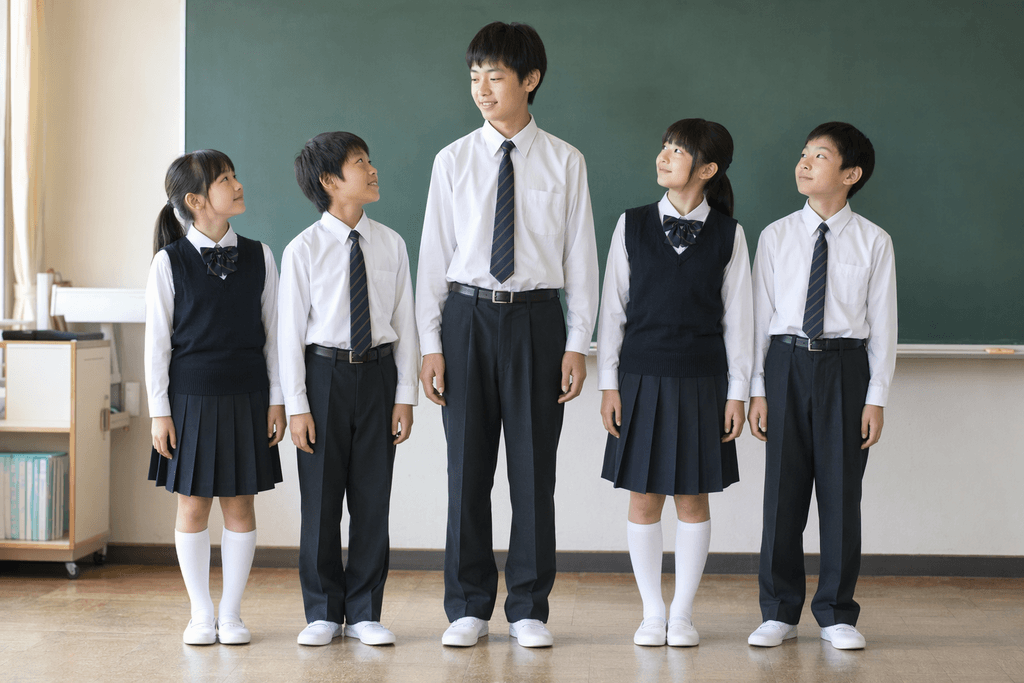
最も
सबैभन्दा
最も
सबैभन्दा
Explanation
最も
सबैभन्दा
最も
सबैभन्दा / अधिकतम रूपमा / उच्चतम रूपमा
( Base form )
( romanization )
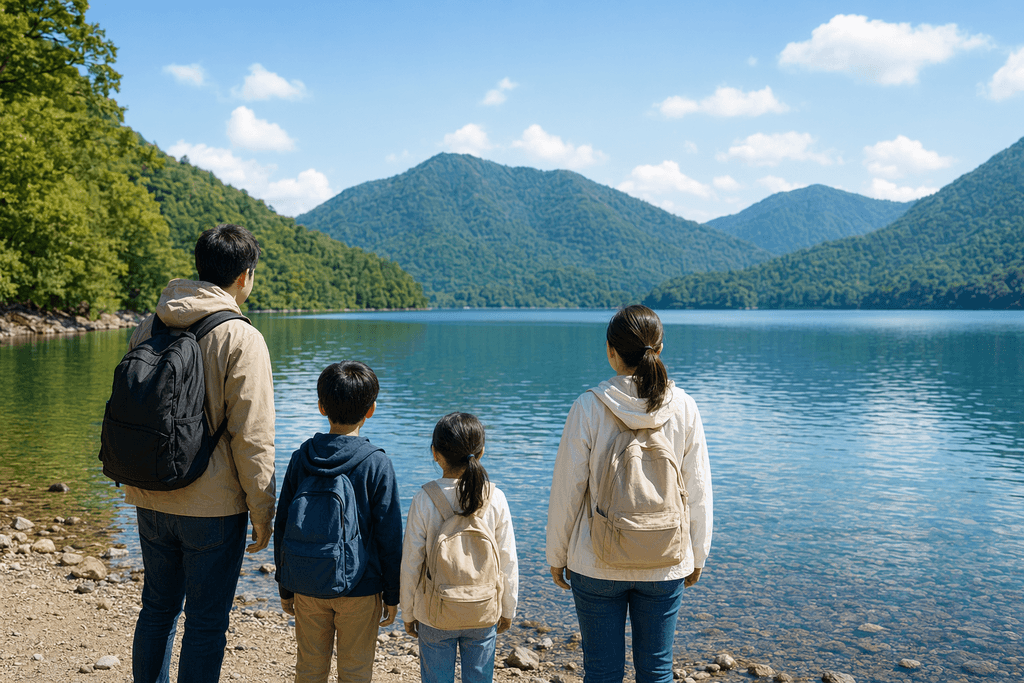
湖
ताल
湖
ताल
Explanation
湖
ताल
湖
ताल / झील / ह्रद
( romanization )
( romanization )
( hiragana historical )
( hiragana )
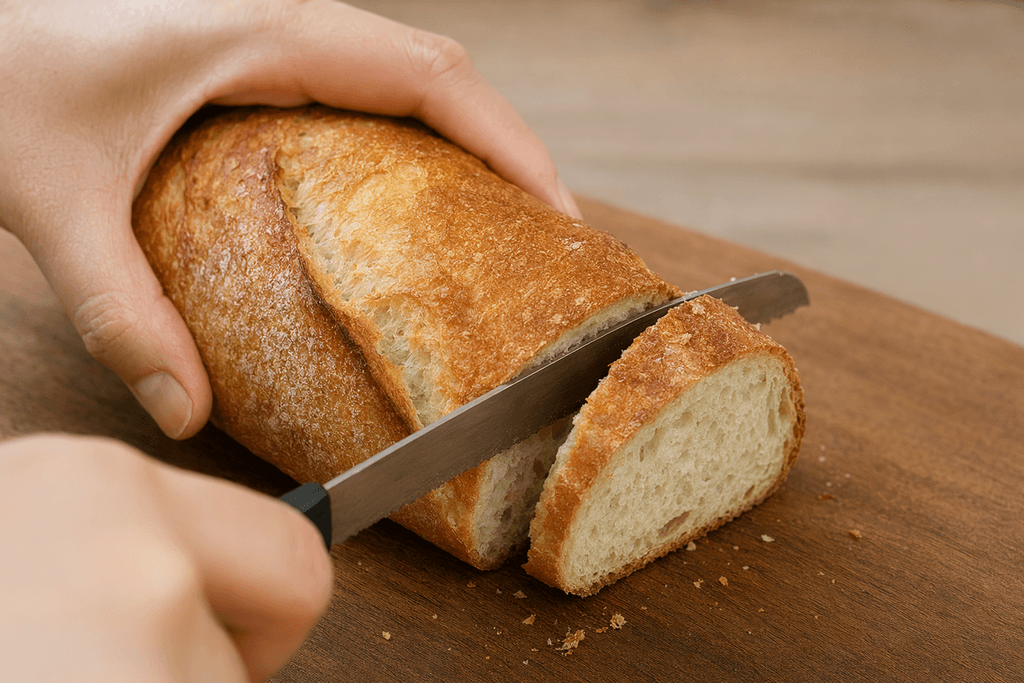
サンドイッチ
स्यान्डविच
サンドイッチ
स्यान्डविच
Explanation
स्यान्डविच
サンドイッチ
स्यान्डविच / पाउरोटीका दुई टुक्राबीच भराइ राखिएको नास्ता
( romanization )
受ける
परीक्षा दिनु / पाठ लिनु
受ける
परीक्षा दिनु / पाठ लिनु
Explanation
受ける
परीक्षा दिनु / पाठ लिनु
受ける
प्राप्त गर्नु; पाउनु / (परीक्षा आदि) दिनु; (उपचार/अपरेसन) गराउनु; प्रभावित हुनु / लोकप्रिय/मन परिनु; हँसाउने

Word Forms
The basic and commonly used forms of this verb.
Basic forms
| Form | Word form | Usage |
|---|---|---|
| Imperfective form (mizenkei) | Connects to endings such as nai, reru, and seru. | |
| Continuative form (renyokei) | Connects to endings such as masu, tai, and ta. | |
| Conclusive form (shushikei) | Ends a sentence and serves as the dictionary form. | |
| Attributive form (rentaikei) | Modifies a noun. | |
| Conditional form (kateikei) | Combines with ba to express a condition. | |
| Imperative form (meireikei) |
Alternative:
受けよ
|
Expresses a command or instruction. |
Common forms
Loading...

JLPT N4 多言語単語帳・631語 / JLPT N4 Multilingual Vocabulary: 631 Words

Jonathan Waller 氏の JLPT Resources の語彙リスト・レベル分類を出典とし、CC BY の条件に従って DiQt が初級向けに意味を作り直した631語の単語帳です。JLPT公式の語彙リストではありません。
This collection of 631 words is based on the vocabulary list and level classifications in Jonathan Waller’s JLPT Resources under CC BY, with meanings rewritten by DiQt for beginners. It is not an official JLPT vocabulary list.
Key Operations
Select the first quiz:
Ctrl + Enter
View Explanation:Ctrl + G
Close a feedback:Esc
When selecting a quiz
Answer:Enter
Select a choice:↓ or ↑
Reading out the question:Ctrl + K
View Hint: Ctrl + M
I don't know: Ctrl + Y



