
JLPT N1: Trắc nghiệm nghĩa từ - Unsolved

Học nghĩa tiếng Việt của 3032 từ JLPT N1 qua các câu hỏi có bốn lựa chọn.
-
mặc / ăn
-
rên rỉ / gầm gừ
-
già đi
- 「徹する」はサ行変格活用の複合動詞として扱う。
- 未然形には「徹し」のほか、「徹さない」などに現れる「徹さ」、文語的な「徹せず」などに現れる「徹せ」がある。
-
sự chia việc
-
chu kỳ
-
đoàn kết
-
cán bộ lãnh đạo
-
cơn sốt / bùng nổ kinh tế
-
sự bất ngờ
-
chăm sóc ân cần
-
làm sai / thay đổi
-
kiểm soát vi phạm
- 「濯ぐ」は五段活用ガ行の動詞。読みは「すすぐ」。
- 未然形「濯ご」は主に意志形「濯ごう」に現れる形。
-
khu phố
-
sự giảm sút
-
thanh sắt / xà đơn
-
tịch thu
-
bỏ nhà đi
-
sự ngủ đông
-
chưa chín / non tay
-
tài tình
-
tự động
-
quần chúng
-
thợ ảnh / người quay phim
-
màn che
-
mật độ
-
phía bên kia
-
dấu hiệu / điềm báo
-
trang trí
-
biện pháp
-
cổ áo
徹する
chuyên tâm
徹する
chuyên tâm
Explanation
徹する
chuyên tâm
徹する
chuyên tâm, dốc hết mình vào / làm triệt để, đến cùng / nhất quán, xuyên suốt

Word Forms
The basic and commonly used forms of this verb.
Basic forms
| Form | Word form | Usage |
|---|---|---|
| Imperfective form (mizenkei) |
Alternative:
徹さ
徹せ
|
Connects to endings such as nai, reru, and seru. |
| Continuative form (renyokei) | Connects to endings such as masu, tai, and ta. | |
| Conclusive form (shushikei) | Ends a sentence and serves as the dictionary form. | |
| Attributive form (rentaikei) | Modifies a noun. | |
| Conditional form (kateikei) | Combines with ba to express a condition. | |
| Imperative form (meireikei) |
Alternative:
徹せよ
|
Expresses a command or instruction. |
Common forms
| Form | Word form | Usage |
|---|---|---|
| Te-form | Connects clauses with te. | |
| Ta-form | Expresses the past with ta. | |
| Nai-form |
Alternative:
徹さない
|
Expresses negation with nai. |
| Masu-form | Used for polite speech. | |
| Ba-form | Expresses a condition with ba. | |
| Volitional form | Expresses intention or invitation. |
Notes
同志
đồng chí
同志
đồng chí
Explanation
同志
đồng chí
同志
người cùng chí hướng / đồng chí / người cùng lý tưởng
Trong quá trình thảo luận nhiều lần với những đồng chí cùng giương cao lý tưởng, tôi đã tái khẳng định ý nghĩa của sự đoàn kết, vượt lên trên những khác biệt về lập trường.

( Base form )
( romanization )
( hiragana )
基金
quỹ
基金
quỹ
Explanation
基金
quỹ
基金
quỹ / quỹ đầu tư / quỹ tài trợ

( Base form )
( romanization )
( hiragana )
濯ぐ
xả sạch
濯ぐ
xả sạch
Explanation
濯ぐ
xả sạch
濯ぐ
tráng (bằng nước) / xả (bằng nước) / súc rửa

Word Forms
The basic and commonly used forms of this verb.
Basic forms
| Form | Word form | Usage |
|---|---|---|
| Imperfective form (mizenkei) |
Alternative:
濯ご
|
Connects to endings such as nai, reru, and seru. |
| Continuative form (renyokei) | Connects to endings such as masu, tai, and ta. | |
| Conclusive form (shushikei) | Ends a sentence and serves as the dictionary form. | |
| Attributive form (rentaikei) | Modifies a noun. | |
| Conditional form (kateikei) | Combines with ba to express a condition. | |
| Imperative form (meireikei) | Expresses a command or instruction. |
Common forms
| Form | Word form | Usage |
|---|---|---|
| Te-form | Connects clauses with te. | |
| Ta-form | Expresses the past with ta. | |
| Nai-form | Expresses negation with nai. | |
| Masu-form | Used for polite speech. | |
| Ba-form | Expresses a condition with ba. | |
| Volitional form | Expresses intention or invitation. |
Notes
確信
sự tin chắc
確信
sự tin chắc
Explanation
確信
sự tin chắc
確信
sự tin chắc / niềm tin vững chắc (vào điều gì) / sự xác tín

( Base form )
( romanization )
( hiragana )
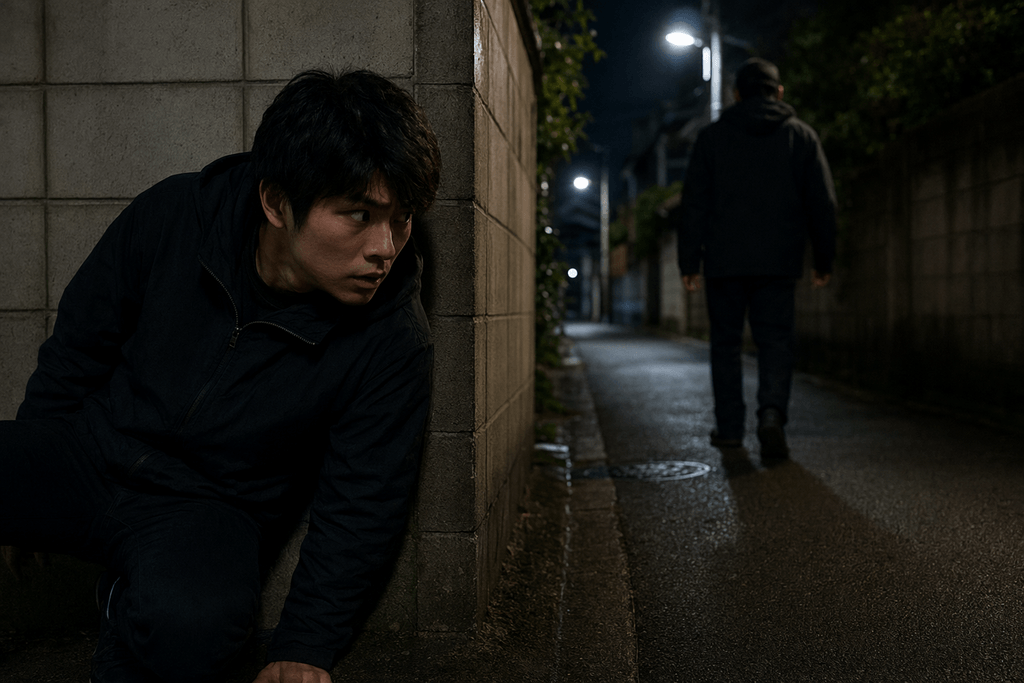
背後
phía sau
背後
phía sau
Explanation
背後
phía sau
背後
phía sau / mặt sau / phần không hiện rõ (hậu cảnh)
( Base form )
( romanization )
( hiragana )
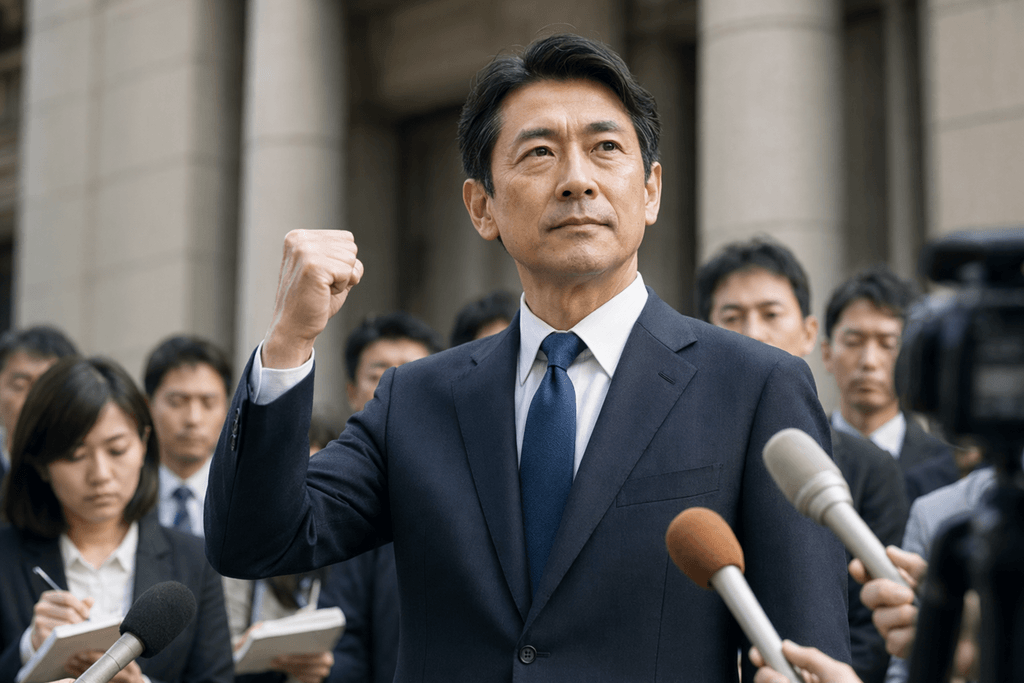
健在
vẫn khỏe mạnh
健在
vẫn khỏe mạnh
Explanation
健在
vẫn khỏe mạnh
健在
Vẫn còn sống và khỏe mạnh. / Còn sung sức. / Vẫn tồn tại, chưa suy giảm.
Word Forms
The basic and commonly used forms of this adjectival noun.
Basic forms
| Form | Word form | Usage |
|---|---|---|
| Imperfective form (mizenkei) | Used in forms such as darou. | |
| Continuative form (renyokei) |
Alternative:
健在に
健在だっ
|
Used with de or ni. |
| Conclusive form (shushikei) | Ends a sentence with da. | |
| Attributive form (rentaikei) | Modifies a noun with na. | |
| Conditional form (kateikei) |
Alternative:
健在ならば
|
Expresses a condition with nara. |
| Imperative form (meireikei) | Used in formal expressions such as de are. |
Common forms
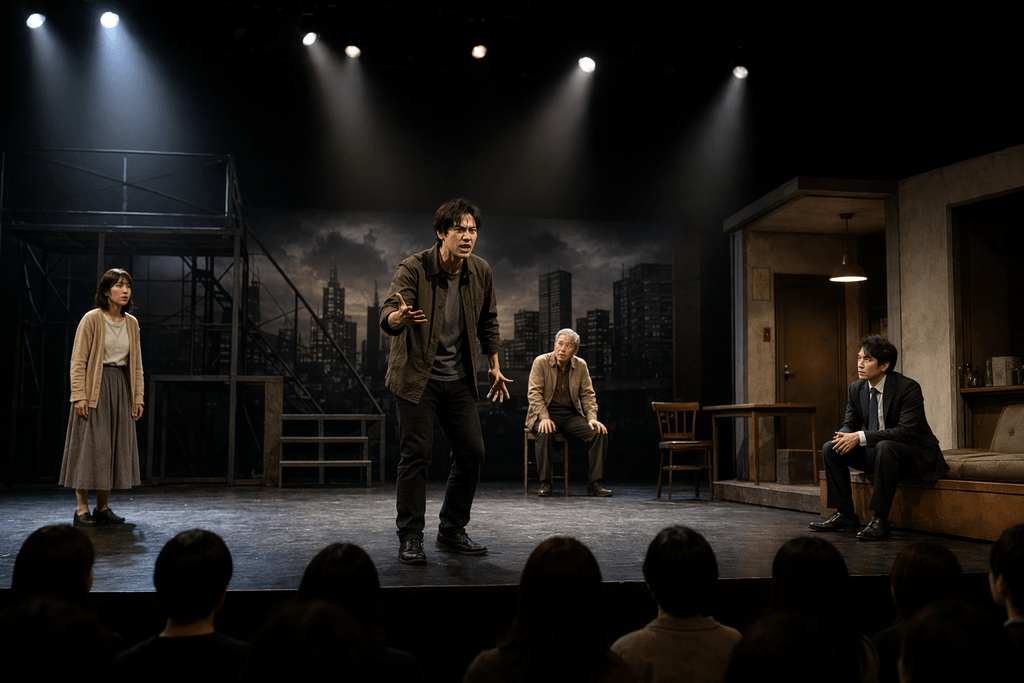
戯曲
vở kịch
戯曲
vở kịch
Explanation
戯曲
vở kịch
戯曲
vở kịch / kịch bản sân khấu / tác phẩm kịch
( Base form )
( romanization )
( kyūjitai )
( hiragana )
衣料
hàng may mặc
衣料
hàng may mặc
Explanation
衣料
hàng may mặc
衣料
quần áo / vải vóc, vật liệu may mặc
Trong ngành may mặc vốn dễ bị tác động bởi những biến động của tình hình kinh tế, việc quản lý tồn kho giỏi hay kém không ít lần quyết định vận mệnh của doanh nghiệp.

( Base form )
( romanization )
( hiragana )
加入
sự gia nhập
加入
sự gia nhập
Explanation
加入
sự gia nhập
加入
sự gia nhập (nhóm/tổ chức) / sự tham gia/đăng ký (dịch vụ, bảo hiểm) / sự kết nạp (hội viên)

( Base form )
( romanization )
( romanization )
( hiragana historical )
( hiragana )
Loading...

JLPT N1 多言語単語帳・3032語 / JLPT N1 Multilingual Vocabulary: 3032 Words

Jonathan Waller 氏の JLPT Resources の語彙リスト・レベル分類を出典とし、CC BY の条件に従って DiQt が学習者向けに意味を作り直した3032語の単語帳です。JLPT公式の語彙リストではありません。
This collection of 3032 words is based on the vocabulary list and level classifications in Jonathan Waller’s JLPT Resources under CC BY, with meanings rewritten by DiQt for learners. It is not an official JLPT vocabulary list.
Key Operations
Select the first quiz:
Ctrl + Enter
View Explanation:Ctrl + G
Close a feedback:Esc
When selecting a quiz
Answer:Enter
Select a choice:↓ or ↑
Reading out the question:Ctrl + K
View Hint: Ctrl + M
I don't know: Ctrl + Y



