
JLPT N1: Trắc nghiệm nghĩa từ - Unsolved

Học nghĩa tiếng Việt của 3032 từ JLPT N1 qua các câu hỏi có bốn lựa chọn.
-
tất
-
u sầu
-
việc đến thăm
-
sự đối chiếu tương phản
-
việc biểu quyết
-
sự mời chào
-
chiếm đoạt
-
đến gần
-
mâu thuẫn / khác nhau
-
nhét vào
-
quăng vào
-
thuần hóa
-
dồn vào đường cùng
-
dệt
-
ngồi dạng chân / trải dài qua
-
biến thành
-
mặc / ăn
-
hướng ra
-
vách đá
-
việc xem
-
sự từ chức
-
trang nghiêm
-
khác nhau
-
suôn sẻ
-
chức vụ
-
bảo hiểm
-
việc điều khiển phương tiện / việc thao tác điều khiển
-
đèn flash
-
sự phiền hà
-
lòng tự trọng
冬眠
sự ngủ đông
冬眠
sự ngủ đông
Explanation
冬眠
sự ngủ đông
冬眠
sự ngủ đông (ở động vật) / tạm ngưng hoạt động (ẩn dụ)

( Base form )
( romanization )
( hiragana )
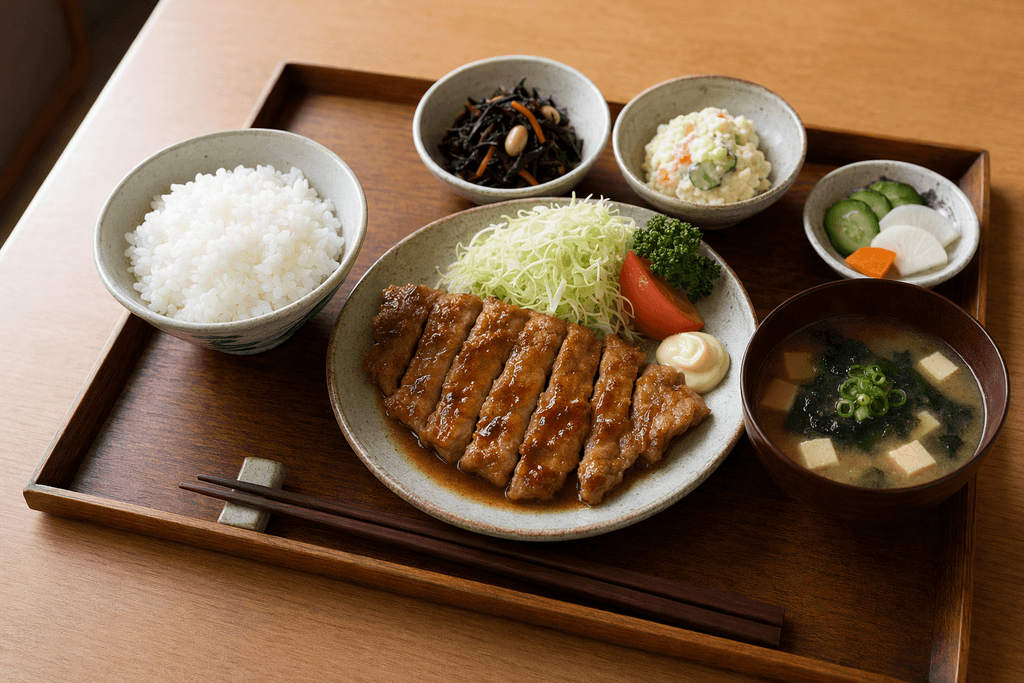
定食
suất ăn theo bộ
定食
suất ăn theo bộ
Explanation
定食
suất ăn theo bộ
定食
cơm phần / suất ăn cố định gồm món chính và các món kèm / bữa ăn theo set
( Base form )
( romanization )
( hiragana )
添える
thêm vào / đính kèm
添える
thêm vào / đính kèm
Explanation
添える
thêm vào / đính kèm
添える
trang trí món ăn, làm đồ ăn kèm / đi kèm, tháp tùng / thêm vào, hỗ trợ

Word Forms
The basic and commonly used forms of this verb.
Basic forms
| Form | Word form | Usage |
|---|---|---|
| Imperfective form (mizenkei) | Connects to endings such as nai, reru, and seru. | |
| Continuative form (renyokei) | Connects to endings such as masu, tai, and ta. | |
| Conclusive form (shushikei) | Ends a sentence and serves as the dictionary form. | |
| Attributive form (rentaikei) | Modifies a noun. | |
| Conditional form (kateikei) | Combines with ba to express a condition. | |
| Imperative form (meireikei) |
Alternative:
添えよ
|
Expresses a command or instruction. |
Common forms
ぼやける
trở nên mờ
ぼやける
trở nên mờ
Explanation
trở nên mờ
ぼやける
trở nên mờ, nhòe / trở nên lờ mờ, không rõ nét / trở nên mơ hồ, khó phân biệt
Nếu một người phụ thuộc quá nhiều vào trừu tượng, không chỉ trọng tâm của cuộc thảo luận có thể trở nên mờ nhạt, mà ngay cả khi trách nhiệm nằm ở đâu cũng có thể trở nên mơ hồ.

Word Forms
The basic and commonly used forms of this verb.
Basic forms
| Form | Word form | Usage |
|---|---|---|
| Imperfective form (mizenkei) | Connects to endings such as nai, reru, and seru. | |
| Continuative form (renyokei) | Connects to endings such as masu, tai, and ta. | |
| Conclusive form (shushikei) | Ends a sentence and serves as the dictionary form. | |
| Attributive form (rentaikei) | Modifies a noun. | |
| Conditional form (kateikei) | Combines with ba to express a condition. | |
| Imperative form (meireikei) |
Alternative:
ぼやけよ
|
Expresses a command or instruction. |
Common forms
あらわれる
xuất hiện
あらわれる
xuất hiện
Explanation
xuất hiện
あらわれる
xuất hiện / hiện ra / lộ diện

Word Forms
The basic and commonly used forms of this verb.
Basic forms
| Form | Word form | Usage |
|---|---|---|
| Imperfective form (mizenkei) | Connects to endings such as nai, reru, and seru. | |
| Continuative form (renyokei) | Connects to endings such as masu, tai, and ta. | |
| Conclusive form (shushikei) | Ends a sentence and serves as the dictionary form. | |
| Attributive form (rentaikei) | Modifies a noun. | |
| Conditional form (kateikei) | Combines with ba to express a condition. | |
| Imperative form (meireikei) |
Alternative:
あらわれよ
|
Expresses a command or instruction. |
Common forms
見せびらかす
khoe khoang
見せびらかす
khoe khoang
Explanation
見せびらかす
khoe khoang
見せびらかす
khoe khoang / phô trương / khoe mẽ

Word Forms
The basic and commonly used forms of this verb.
Basic forms
| Form | Word form | Usage |
|---|---|---|
| Imperfective form (mizenkei) |
Alternative:
見せびらかそ
|
Connects to endings such as nai, reru, and seru. |
| Continuative form (renyokei) | Connects to endings such as masu, tai, and ta. | |
| Conclusive form (shushikei) | Ends a sentence and serves as the dictionary form. | |
| Attributive form (rentaikei) | Modifies a noun. | |
| Conditional form (kateikei) | Combines with ba to express a condition. | |
| Imperative form (meireikei) | Expresses a command or instruction. |
Common forms
| Form | Word form | Usage |
|---|---|---|
| Te-form | Connects clauses with te. | |
| Ta-form | Expresses the past with ta. | |
| Nai-form | Expresses negation with nai. | |
| Masu-form | Used for polite speech. | |
| Ba-form | Expresses a condition with ba. | |
| Volitional form | Expresses intention or invitation. |
一筋
một sợi / sự chuyên tâm
一筋
một sợi / sự chuyên tâm
Explanation
一筋
một sợi / sự chuyên tâm
一筋
một sợi (tóc, chỉ, dây) / một vệt/đường (tia sáng, dòng nước) / nhất tâm, chỉ một mực (một mạch)

あやふや
mập mờ
あやふや
mập mờ
Explanation
mập mờ
あやふや
mơ hồ / mập mờ / không chắc chắn

Word Forms
The basic and commonly used forms of this adjectival noun.
Basic forms
| Form | Word form | Usage |
|---|---|---|
| Imperfective form (mizenkei) | Used in forms such as darou. | |
| Continuative form (renyokei) |
Alternative:
あやふやに
あやふやだっ
|
Used with de or ni. |
| Conclusive form (shushikei) | Ends a sentence with da. | |
| Attributive form (rentaikei) | Modifies a noun with na. | |
| Conditional form (kateikei) | Expresses a condition with nara. | |
| Imperative form (meireikei) | Used in formal expressions such as de are. |
Common forms
走行
việc xe chạy
走行
việc xe chạy
Explanation
走行
việc xe chạy
走行
sự di chuyển (của phương tiện) / sự chạy xe; vận hành trên đường / việc đi lại bằng xe

( Base form )
( romanization )
( hiragana )
ハンガー
móc áo
ハンガー
móc áo
Explanation
móc áo
ハンガー
nhà chứa máy bay / nhà kho máy bay / xưởng bảo dưỡng máy bay

( romanization )
Loading...

JLPT N1 多言語単語帳・3032語 / JLPT N1 Multilingual Vocabulary: 3032 Words

Jonathan Waller 氏の JLPT Resources の語彙リスト・レベル分類を出典とし、CC BY の条件に従って DiQt が学習者向けに意味を作り直した3032語の単語帳です。JLPT公式の語彙リストではありません。
This collection of 3032 words is based on the vocabulary list and level classifications in Jonathan Waller’s JLPT Resources under CC BY, with meanings rewritten by DiQt for learners. It is not an official JLPT vocabulary list.
Key Operations
Select the first quiz:
Ctrl + Enter
View Explanation:Ctrl + G
Close a feedback:Esc
When selecting a quiz
Answer:Enter
Select a choice:↓ or ↑
Reading out the question:Ctrl + K
View Hint: Ctrl + M
I don't know: Ctrl + Y



