
JLPT N1: Trắc nghiệm nghĩa từ - Unsolved

Học nghĩa tiếng Việt của 3032 từ JLPT N1 qua các câu hỏi có bốn lựa chọn.
-
thảnh thơi
-
khinh suất
-
mơ hồ
-
bỏ sót
-
nhắm mắt
-
mâu thuẫn / khác nhau
-
tua vít
-
bằng chứng
-
ý kiến khác
-
sự trói buộc / sự hạn chế
-
bí mật
-
sự sở hữu / độ bền
-
kế tiếp
-
ra hồn
-
lượt cộng dồn
-
đồng thời
-
tiếp đó
-
tuy nhiên
-
đường lớn
-
búa
-
hiệu suất
-
và / vì
-
biết bao
-
khoảng
-
đuôi
-
sự hoàn trả
-
tử số / phân tử
-
rò ra / bị bỏ sót
-
khiêm nhường
-
lắp đặt
明朗
vui vẻ
明朗
vui vẻ
Explanation
明朗
vui vẻ
明朗
vui tươi, rạng rỡ / minh bạch, rõ ràng / quang minh chính đại

Word Forms
The basic and commonly used forms of this adjectival noun.
Basic forms
| Form | Word form | Usage |
|---|---|---|
| Imperfective form (mizenkei) | Used in forms such as darou. | |
| Continuative form (renyokei) |
Alternative:
明朗に
|
Used with de or ni. |
| Conclusive form (shushikei) | Ends a sentence with da. | |
| Attributive form (rentaikei) | Modifies a noun with na. | |
| Conditional form (kateikei) | Expresses a condition with nara. | |
| Imperative form (meireikei) | Used in formal expressions such as de are. |
Common forms
毟る
vặt
毟る
vặt
Explanation
毟る
vặt
毟る
nhổ, vặt (lông, tóc) / bứt, giật (lá, cỏ) / xé, bóc ra
Khoảnh khắc cô nghe thấy người thợ săn nhổ lông từ con bắt, cô buộc phải nhận thức được thực tế thô sơ đằng sau món ăn được phục vụ trên bàn.

Word Forms
The basic and commonly used forms of this verb.
Basic forms
| Form | Word form | Usage |
|---|---|---|
| Imperfective form (mizenkei) | Connects to endings such as nai, reru, and seru. | |
| Continuative form (renyokei) | Connects to endings such as masu, tai, and ta. | |
| Conclusive form (shushikei) | Ends a sentence and serves as the dictionary form. | |
| Attributive form (rentaikei) | Modifies a noun. | |
| Conditional form (kateikei) | Combines with ba to express a condition. | |
| Imperative form (meireikei) | Expresses a command or instruction. |
Common forms
燃料
nhiên liệu
燃料
nhiên liệu
Explanation
燃料
nhiên liệu
燃料
nhiên liệu / chất đốt / vật liệu cung cấp năng lượng

( Base form )
( romanization )
( hiragana )
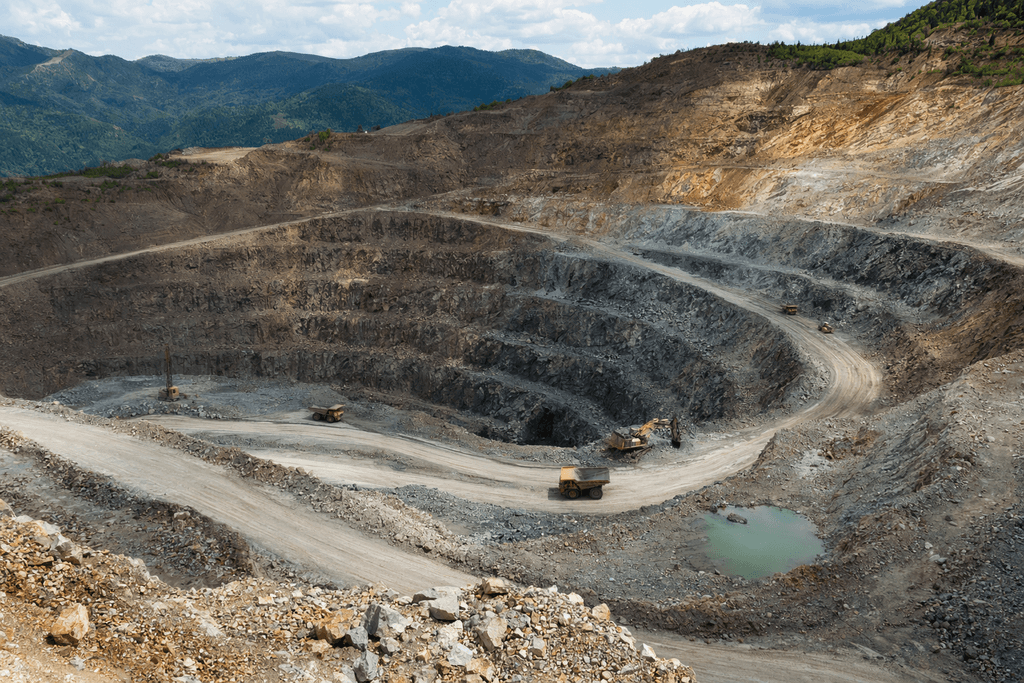
鉱山
mỏ khoáng sản
鉱山
mỏ khoáng sản
Explanation
鉱山
mỏ khoáng sản
鉱山
mỏ quặng / mỏ khoáng sản / khu mỏ
Việc tái tạo khu đất của mỏ đã được quyết định đóng cửa như thế nào là một vấn đề trọng yếu chi phối việc cân bằng giữa việc làm của địa phương và bảo vệ môi trường.
( Base form )
( romanization )
( hiragana )
とんだ
tai hại
とんだ
tai hại
Explanation
tai hại
とんだ
bất ngờ, không ngờ tới / nghiêm trọng, tai hại / tệ hại, khủng khiếp

よって
do đó
よって
do đó
Explanation
do đó
よって
do đó / vì vậy / cho nên

( romanization )
招き
lời mời
招き
lời mời
Explanation
招き
lời mời
招き
lời mời / sự mời gọi / sự vẫy gọi

( Base form )
( romanization )
対して
đối với / mỗi
対して
đối với / mỗi
Explanation
対して
đối với / mỗi
対して
đối với / liên quan đến / ngược lại; trái lại
Liên quan đến chính sách giám sát mới của chính phủ, các chuyên gia đã lên tiếng chỉ trích nhiều lần rằng nó có thể vi phạm quá mức các quyền tự do cá nhân.

起伏
sự lên xuống
起伏
sự lên xuống
Explanation
起伏
sự lên xuống
起伏
sự thăng trầm / sự nhấp nhô / sự lượn sóng

( Base form )
( romanization )
( hiragana )
嘲笑う
chế giễu
嘲笑う
chế giễu
Explanation
嘲笑う
chế giễu
嘲笑う
cười nhạo / chế giễu / nhạo báng
Word Forms
The basic and commonly used forms of this verb.
Basic forms
| Form | Word form | Usage |
|---|---|---|
| Imperfective form (mizenkei) | Connects to endings such as nai, reru, and seru. | |
| Continuative form (renyokei) | Connects to endings such as masu, tai, and ta. | |
| Conclusive form (shushikei) | Ends a sentence and serves as the dictionary form. | |
| Attributive form (rentaikei) | Modifies a noun. | |
| Conditional form (kateikei) | Combines with ba to express a condition. | |
| Imperative form (meireikei) | Expresses a command or instruction. |
Common forms
Loading...

JLPT N1 多言語単語帳・3032語 / JLPT N1 Multilingual Vocabulary: 3032 Words

Jonathan Waller 氏の JLPT Resources の語彙リスト・レベル分類を出典とし、CC BY の条件に従って DiQt が学習者向けに意味を作り直した3032語の単語帳です。JLPT公式の語彙リストではありません。
This collection of 3032 words is based on the vocabulary list and level classifications in Jonathan Waller’s JLPT Resources under CC BY, with meanings rewritten by DiQt for learners. It is not an official JLPT vocabulary list.
Key Operations
Select the first quiz:
Ctrl + Enter
View Explanation:Ctrl + G
Close a feedback:Esc
When selecting a quiz
Answer:Enter
Select a choice:↓ or ↑
Reading out the question:Ctrl + K
View Hint: Ctrl + M
I don't know: Ctrl + Y



