
JLPT N1: Trắc nghiệm nghĩa từ - Unsolved

Học nghĩa tiếng Việt của 3032 từ JLPT N1 qua các câu hỏi có bốn lựa chọn.
-
phản chiếu ánh sáng
-
vặt
-
dốc hết / hết lòng
- 「合わす」はサ行五段活用の動詞。現代語では「合わせる」も広く用いられる。
-
tiếp nhận đơn
-
thề ước
-
múa / bay lượn
-
trọng lượng
-
sự áp chế
-
tình trạng ngừng xuất bản
-
dẫn đầu nhóm
-
tiếp nhận / rời đi
-
xả sạch
- 表記は「嵩む」も用いられる。
-
tỷ lệ
-
người giàu có
-
quần âu
-
cẩn thận tỉ mỉ
-
xảy ra thường xuyên
-
cứng rắn
-
sự phóng đại
-
khoảng giữa
-
giờ
-
làm khổ
-
yêu đương
-
cọ xát / sành đời
-
giương lên / đề xướng
-
để lộ / bỏ sót
-
làm rối / quấy nhiễu
- 「傷つく」の別表記。
-
sự trúng cử / sự trúng thưởng
-
đồng phục
-
khoảng nghỉ
合わす
kết hợp / ghép cho khớp
合わす
kết hợp / ghép cho khớp
Explanation
合わす
kết hợp / ghép cho khớp
合わす
ghép, kết hợp; gộp lại / làm cho phù hợp/khớp; căn chỉnh, hòa âm / so sánh, đối chiếu
Trong các cuộc đàm phán có lợi ích đan xen phức tạp, thay vì cố gắng ép quan điểm của các bộ phận phải thống nhất, nên làm rõ những điểm khác biệt rồi tìm kiếm điểm thỏa hiệp.

Word Forms
The basic and commonly used forms of this verb.
Basic forms
| Form | Word form | Usage |
|---|---|---|
| Imperfective form (mizenkei) |
Alternative:
合わそ
|
Connects to endings such as nai, reru, and seru. |
| Continuative form (renyokei) | Connects to endings such as masu, tai, and ta. | |
| Conclusive form (shushikei) | Ends a sentence and serves as the dictionary form. | |
| Attributive form (rentaikei) | Modifies a noun. | |
| Conditional form (kateikei) | Combines with ba to express a condition. | |
| Imperative form (meireikei) | Expresses a command or instruction. |
Common forms
| Form | Word form | Usage |
|---|---|---|
| Te-form | Connects clauses with te. | |
| Ta-form | Expresses the past with ta. | |
| Nai-form | Expresses negation with nai. | |
| Masu-form | Used for polite speech. | |
| Ba-form | Expresses a condition with ba. | |
| Volitional form | Expresses intention or invitation. |
Notes
冴える
trong trẻo / nhạy bén
冴える
trong trẻo / nhạy bén
Explanation
冴える
trong trẻo / nhạy bén
冴える
trở nên rõ nét, sống động / trở nên thuần thục, điêu luyện / đầu óc minh mẫn, sắc bén

Word Forms
The basic and commonly used forms of this verb.
Basic forms
| Form | Word form | Usage |
|---|---|---|
| Imperfective form (mizenkei) | Connects to endings such as nai, reru, and seru. | |
| Continuative form (renyokei) | Connects to endings such as masu, tai, and ta. | |
| Conclusive form (shushikei) | Ends a sentence and serves as the dictionary form. | |
| Attributive form (rentaikei) | Modifies a noun. | |
| Conditional form (kateikei) | Combines with ba to express a condition. | |
| Imperative form (meireikei) |
Alternative:
冴えよ
|
Expresses a command or instruction. |
Common forms
不良
sự kém chất lượng / thanh thiếu niên hư hỏng
不良
sự kém chất lượng / thanh thiếu niên hư hỏng
Explanation
不良
sự kém chất lượng / thanh thiếu niên hư hỏng
不良
sự kém; khiếm khuyết / thiếu niên hư hỏng; du đãng
Khi phát hiện lỗi trong công đoạn kiểm tra, việc xác định nguyên nhân, thực hiện biện pháp khắc phục và triển khai đến cả các biện pháp phòng ngừa tái diễn là điều không thể thiếu.

( Base form )
( romanization )
( hiragana )
かさむ
tăng lên
かさむ
tăng lên
Explanation
tăng lên
かさむ
tăng lên (về khối lượng, số lượng) / đội lên (chi phí, giá cả) / chồng chất (chi phí)

Word Forms
The basic and commonly used forms of this verb.
Basic forms
| Form | Word form | Usage |
|---|---|---|
| Imperfective form (mizenkei) |
Alternative:
嵩ま
|
Connects to endings such as nai, reru, and seru. |
| Continuative form (renyokei) |
Alternative:
嵩み
|
Connects to endings such as masu, tai, and ta. |
| Conclusive form (shushikei) |
Alternative:
嵩む
|
Ends a sentence and serves as the dictionary form. |
| Attributive form (rentaikei) |
Alternative:
嵩む
|
Modifies a noun. |
| Conditional form (kateikei) |
Alternative:
嵩め
|
Combines with ba to express a condition. |
| Imperative form (meireikei) |
Alternative:
嵩め
|
Expresses a command or instruction. |
Common forms
| Form | Word form | Usage |
|---|---|---|
| Te-form |
Alternative:
嵩んで
|
Connects clauses with te. |
| Ta-form |
Alternative:
嵩んだ
|
Expresses the past with ta. |
| Nai-form |
Alternative:
嵩まない
|
Expresses negation with nai. |
| Masu-form |
Alternative:
嵩みます
|
Used for polite speech. |
| Ba-form |
Alternative:
嵩めば
|
Expresses a condition with ba. |
| Volitional form |
Alternative:
嵩もう
|
Expresses intention or invitation. |
Notes
其処ら
quanh đó / khoảng chừng
其処ら
quanh đó / khoảng chừng
Explanation
其処ら
quanh đó / khoảng chừng
其処ら
quanh đó, vùng ấy / nơi ấy, chỗ đó / khoảng, xấp xỉ

手遅れ
quá muộn
手遅れ
quá muộn
Explanation
手遅れ
quá muộn
手遅れ
Quá muộn, không còn kịp / Không thể cứu vãn / Trễ quá mức, ngoài khả năng cứu chữa

Word Forms
The basic and commonly used forms of this adjectival noun.
Basic forms
| Form | Word form | Usage |
|---|---|---|
| Imperfective form (mizenkei) | Used in forms such as darou. | |
| Continuative form (renyokei) |
Alternative:
手遅れに
|
Used with de or ni. |
| Conclusive form (shushikei) | Ends a sentence with da. | |
| Attributive form (rentaikei) |
Alternative:
手遅れの
|
Modifies a noun with na. |
| Conditional form (kateikei) | Expresses a condition with nara. | |
| Imperative form (meireikei) | Used in formal expressions such as de are. |
Common forms
政権
quyền lực chính trị / chính quyền
政権
quyền lực chính trị / chính quyền
Explanation
政権
quyền lực chính trị / chính quyền
政権
chính quyền / quyền lực chính trị / chính phủ/chế độ đương nhiệm
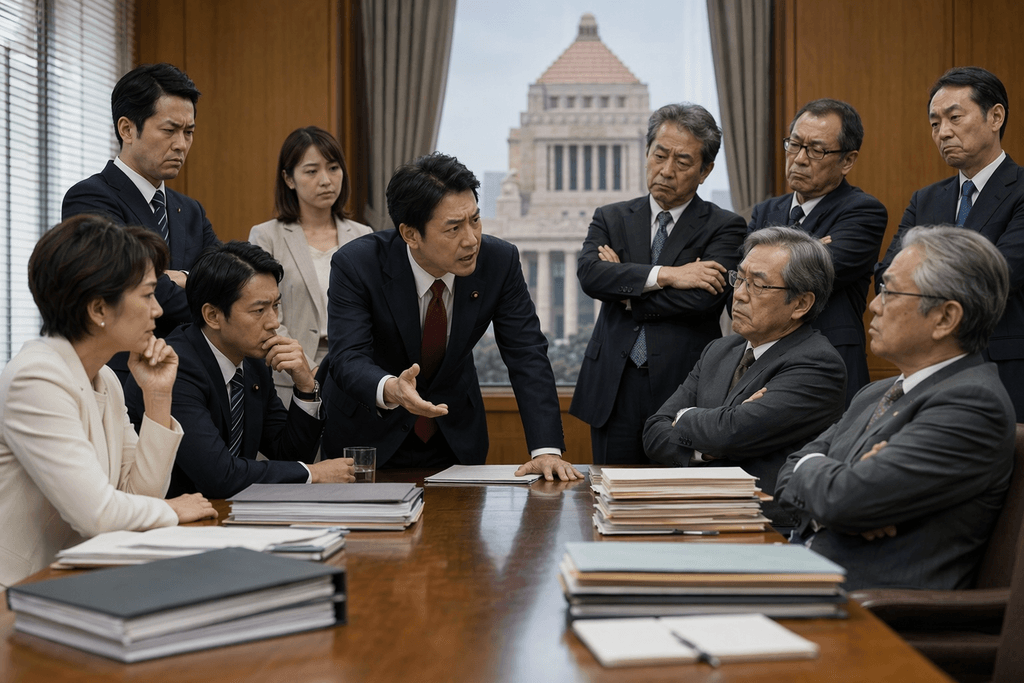
Chính quyền mới đã nêu khẩu hiệu cải cách nhằm đụng chạm đến các lợi ích đặc quyền, nhưng do sự phản kháng của bộ máy quan liêu nên đã bị đổ vỡ ở giai đoạn thực thi.
( Base form )
( romanization )
( kyūjitai )
( hiragana )
交わる
giao nhau / giao du
交わる
giao nhau / giao du
Explanation
交わる
giao nhau / giao du
交わる
giao cắt, giao nhau / giao du, qua lại (kết giao) với / giao hợp; quan hệ tình dục

Word Forms
The basic and commonly used forms of this verb.
Basic forms
| Form | Word form | Usage |
|---|---|---|
| Imperfective form (mizenkei) |
Alternative:
交わろ
|
Connects to endings such as nai, reru, and seru. |
| Continuative form (renyokei) |
Alternative:
交わっ
|
Connects to endings such as masu, tai, and ta. |
| Conclusive form (shushikei) | Ends a sentence and serves as the dictionary form. | |
| Attributive form (rentaikei) | Modifies a noun. | |
| Conditional form (kateikei) | Combines with ba to express a condition. | |
| Imperative form (meireikei) | Expresses a command or instruction. |
Common forms
傷付く
bị tổn thương
傷付く
bị tổn thương
Explanation
傷付く
bị tổn thương
傷付く
bị thương / bị tổn thương (cảm xúc) / bị hư hại

Word Forms
The basic and commonly used forms of this verb.
Basic forms
| Form | Word form | Usage |
|---|---|---|
| Imperfective form (mizenkei) |
Alternative:
傷つか
傷付こ
傷つこ
|
Connects to endings such as nai, reru, and seru. |
| Continuative form (renyokei) |
Alternative:
傷つき
|
Connects to endings such as masu, tai, and ta. |
| Conclusive form (shushikei) |
Alternative:
傷つく
|
Ends a sentence and serves as the dictionary form. |
| Attributive form (rentaikei) |
Alternative:
傷つく
|
Modifies a noun. |
| Conditional form (kateikei) |
Alternative:
傷つけ
|
Combines with ba to express a condition. |
| Imperative form (meireikei) |
Alternative:
傷つけ
|
Expresses a command or instruction. |
Common forms
| Form | Word form | Usage |
|---|---|---|
| Te-form |
Alternative:
傷ついて
|
Connects clauses with te. |
| Ta-form |
Alternative:
傷ついた
|
Expresses the past with ta. |
| Nai-form |
Alternative:
傷つかない
|
Expresses negation with nai. |
| Masu-form |
Alternative:
傷つきます
|
Used for polite speech. |
| Ba-form |
Alternative:
傷つけば
|
Expresses a condition with ba. |
| Volitional form |
Alternative:
傷つき
|
Expresses intention or invitation. |
Notes
天災
thiên tai
天災
thiên tai
Explanation
天災
thiên tai
天災
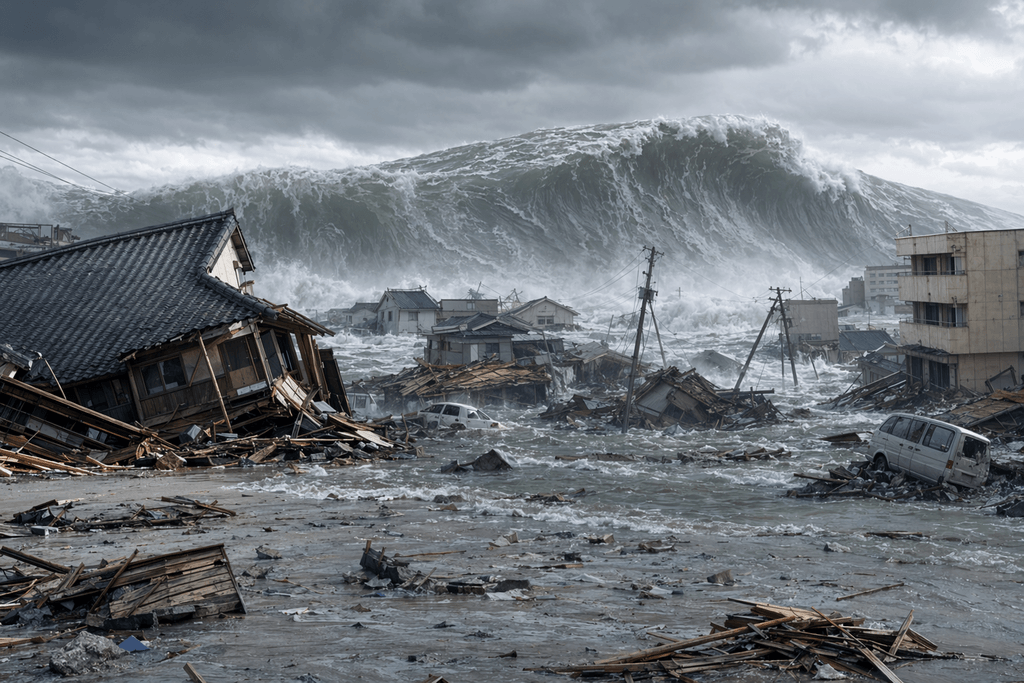
thiên tai / thảm họa thiên nhiên / tai họa do tự nhiên
( Base form )
( romanization )
( hiragana )
Loading...

JLPT N1 多言語単語帳・3032語 / JLPT N1 Multilingual Vocabulary: 3032 Words

Jonathan Waller 氏の JLPT Resources の語彙リスト・レベル分類を出典とし、CC BY の条件に従って DiQt が学習者向けに意味を作り直した3032語の単語帳です。JLPT公式の語彙リストではありません。
This collection of 3032 words is based on the vocabulary list and level classifications in Jonathan Waller’s JLPT Resources under CC BY, with meanings rewritten by DiQt for learners. It is not an official JLPT vocabulary list.
Key Operations
Select the first quiz:
Ctrl + Enter
View Explanation:Ctrl + G
Close a feedback:Esc
When selecting a quiz
Answer:Enter
Select a choice:↓ or ↑
Reading out the question:Ctrl + K
View Hint: Ctrl + M
I don't know: Ctrl + Y



