
JLPT N1: Trắc nghiệm nghĩa từ - Unsolved

Học nghĩa tiếng Việt của 3032 từ JLPT N1 qua các câu hỏi có bốn lựa chọn.
-
diễn biến sự việc
-
sự giản dị
-
một hơi / một mạch
-
đã quá cố
-
các
-
mỗi
-
nhuộm
-
gây hại / cản trở
-
lấp đầy / thỏa mãn
- 「催す(もよおす)」はサ行五段活用の動詞。
-
lỗi lầm
-
sự bắt tay vào
-
từ tính
-
vốn
-
thông báo chính thức
-
người sành / thư từ
-
yêu ghét
-
phân
-
nhà trọ gia đình
-
tiền lãi
-
chì
-
sự khinh miệt
-
tình yêu đôi lứa
-
uống trà / quán trà
-
màu xanh dương
-
thiếu / làm sứt
-
cọ xát / sành đời
-
gắn liền
-
bằng sáng chế
-
gia công
-
thân xác sống
追跡
sự truy đuổi
追跡
sự truy đuổi
Explanation
追跡
sự truy đuổi
追跡
sự truy đuổi, truy bắt / sự theo dõi, truy vết / lần theo dấu vết

( Base form )
( romanization )
( hiragana )
反
chống
反
chống
Explanation
反
chống
反
chống-, phản- / trái ngược, đối nghịch
( romanization )
( hiragana )
催す
tổ chức / cảm thấy muốn
催す
tổ chức / cảm thấy muốn
Explanation
催す
tổ chức / cảm thấy muốn
催す
tổ chức (cuộc họp, lễ kỷ niệm, bữa tiệc) / khơi dậy; gợi lên (cảm xúc)
Word Forms
The basic and commonly used forms of this verb.
Basic forms
| Form | Word form | Usage |
|---|---|---|
| Imperfective form (mizenkei) |
Alternative:
催そ
|
Connects to endings such as nai, reru, and seru. |
| Continuative form (renyokei) | Connects to endings such as masu, tai, and ta. | |
| Conclusive form (shushikei) | Ends a sentence and serves as the dictionary form. | |
| Attributive form (rentaikei) | Modifies a noun. | |
| Conditional form (kateikei) | Combines with ba to express a condition. | |
| Imperative form (meireikei) | Expresses a command or instruction. |
Common forms
| Form | Word form | Usage |
|---|---|---|
| Te-form | Connects clauses with te. | |
| Ta-form | Expresses the past with ta. | |
| Nai-form | Expresses negation with nai. | |
| Masu-form | Used for polite speech. | |
| Ba-form | Expresses a condition with ba. | |
| Volitional form | Expresses intention or invitation. |
Notes
産出
sự sản xuất
産出
sự sản xuất
Explanation
産出
sự sản xuất
産出
sự sản xuất / sản lượng / sự khai thác (tài nguyên)

( Base form )
( romanization )
( hiragana )
人質
con tin
人質
con tin
Explanation
人質
con tin
人質
con tin / (cổ) tình trạng bị nô dịch làm bảo chứng hoặc để trả nợ

( Base form )
( romanization )
( hiragana )
新築
sự xây mới
新築
sự xây mới
Explanation
新築
sự xây mới
新築
nhà mới xây / nhà xây mới / công trình mới xây
Để phục hồi khu trung tâm đô thị đang xuống cấp theo thời gian, chính quyền đang đồng thời thúc đẩy việc định hướng xây mới và cải tạo gia cường chống động đất cho các công trình hiện có.

( Base form )
( romanization )
( hiragana )
ホース
ống mềm
ホース
ống mềm
Explanation
ống mềm
ホース
ống mềm dẫn nước; vòi tưới / ống dẫn linh hoạt (cho chất lỏng/khí)

( romanization )
実践
việc thực hành
実践
việc thực hành
Explanation
実践
việc thực hành
実践
sự thực hành / sự áp dụng vào thực tế / việc đưa vào thực tiễn

( Base form )
( romanization )
( kyūjitai )
( hiragana )
引き起こす
gây ra
引き起こす
gây ra
Explanation
引き起こす
gây ra
引き起こす
gây ra / dẫn đến / kéo đứng dậy

Word Forms
The basic and commonly used forms of this verb.
Basic forms
| Form | Word form | Usage |
|---|---|---|
| Imperfective form (mizenkei) | Connects to endings such as nai, reru, and seru. | |
| Continuative form (renyokei) | Connects to endings such as masu, tai, and ta. | |
| Conclusive form (shushikei) | Ends a sentence and serves as the dictionary form. | |
| Attributive form (rentaikei) | Modifies a noun. | |
| Conditional form (kateikei) | Combines with ba to express a condition. | |
| Imperative form (meireikei) | Expresses a command or instruction. |
Common forms
暴力
bạo lực
暴力
bạo lực
Explanation
暴力
bạo lực
暴力
bạo lực (nhất là phạm tội) / vũ lực; cưỡng ép bằng sức mạnh / hành vi thô bạo, gây hại
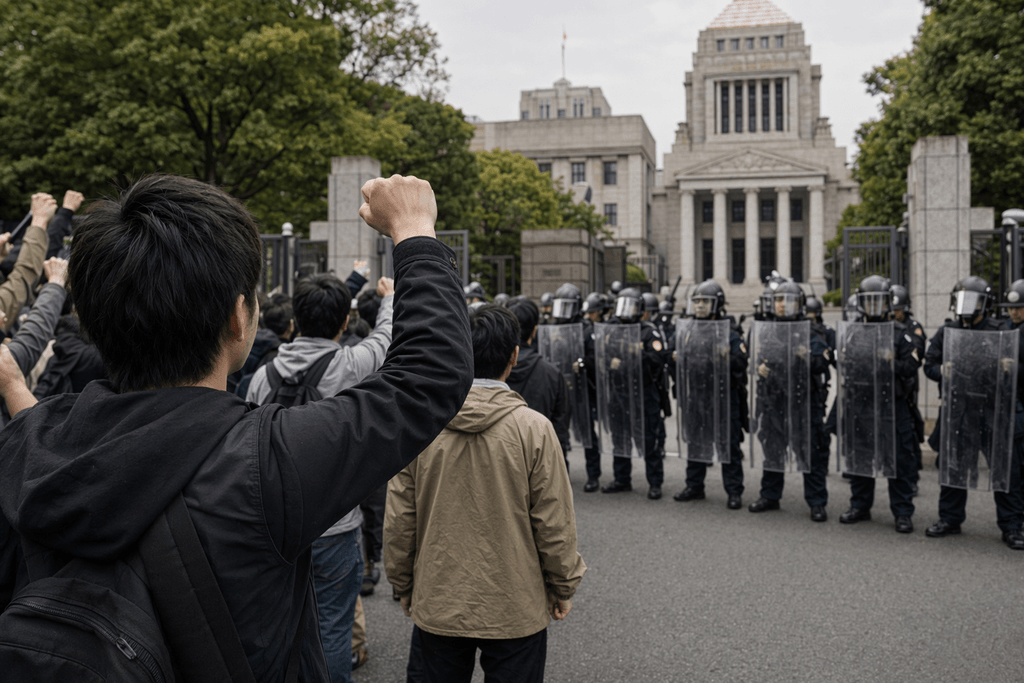
Dù có bất kỳ lý do nào đi nữa, hành vi tìm cách giải quyết vấn đề bằng bạo lực sẽ làm lung lay tận gốc trật tự xã hội và nền pháp trị.

( Base form )
( romanization )
( hiragana )
Loading...

JLPT N1 多言語単語帳・3032語 / JLPT N1 Multilingual Vocabulary: 3032 Words

Jonathan Waller 氏の JLPT Resources の語彙リスト・レベル分類を出典とし、CC BY の条件に従って DiQt が学習者向けに意味を作り直した3032語の単語帳です。JLPT公式の語彙リストではありません。
This collection of 3032 words is based on the vocabulary list and level classifications in Jonathan Waller’s JLPT Resources under CC BY, with meanings rewritten by DiQt for learners. It is not an official JLPT vocabulary list.
Key Operations
Select the first quiz:
Ctrl + Enter
View Explanation:Ctrl + G
Close a feedback:Esc
When selecting a quiz
Answer:Enter
Select a choice:↓ or ↑
Reading out the question:Ctrl + K
View Hint: Ctrl + M
I don't know: Ctrl + Y



